
Storing autoflower seeds correctly is essential for home growers who want to maintain high germination rates and protect valuable genetics over multiple seasons. In 2026, with evolving climate conditions and stricter seed regulations in many regions, understanding precise storage techniques helps ensure every seed performs when planted. Autoflowering varieties are particularly sensitive to environmental fluctuations because their compact genetics demand consistent viability. This guide covers temperature control, humidity management, light protection, and container selection while highlighting practical ways to avoid common pitfalls that ruin batches of seeds. Growers who master these methods often report germination rates above 90 percent even after three or four years of storage.
Understanding the Importance of Proper Seed Storage
Autoflower seeds contain delicate embryos that can lose viability quickly when exposed to heat, moisture, or light. Proper long-term storage preserves both germination percentages and the unique traits breeders have worked hard to stabilize. Many enthusiasts purchase seeds in bulk for future grows, making storage knowledge a critical investment. Research from the USDA Agricultural Research Service shows that optimized conditions can extend seed life by several years beyond standard home methods. For example, a grower who stores 500 seeds of a premium autoflower strain can confidently plan three consecutive seasons without needing to reorder, saving both money and time spent searching for sold-out genetics.
Modern growers in 2026 also face additional challenges such as fluctuating indoor temperatures due to energy-efficient homes and increased humidity from changing weather patterns. Ignoring these factors leads to mold, premature sprouting, or genetic drift in stored batches. By following evidence-based practices, you protect your investment and guarantee successful future autoflower crops. Consider a practical case: a hobbyist in a coastal region noticed 30 percent lower germination after one summer because kitchen cabinets reached 28 °C; switching to a dedicated cool zone reversed the trend immediately.
Temperature Control for Autoflower Seeds
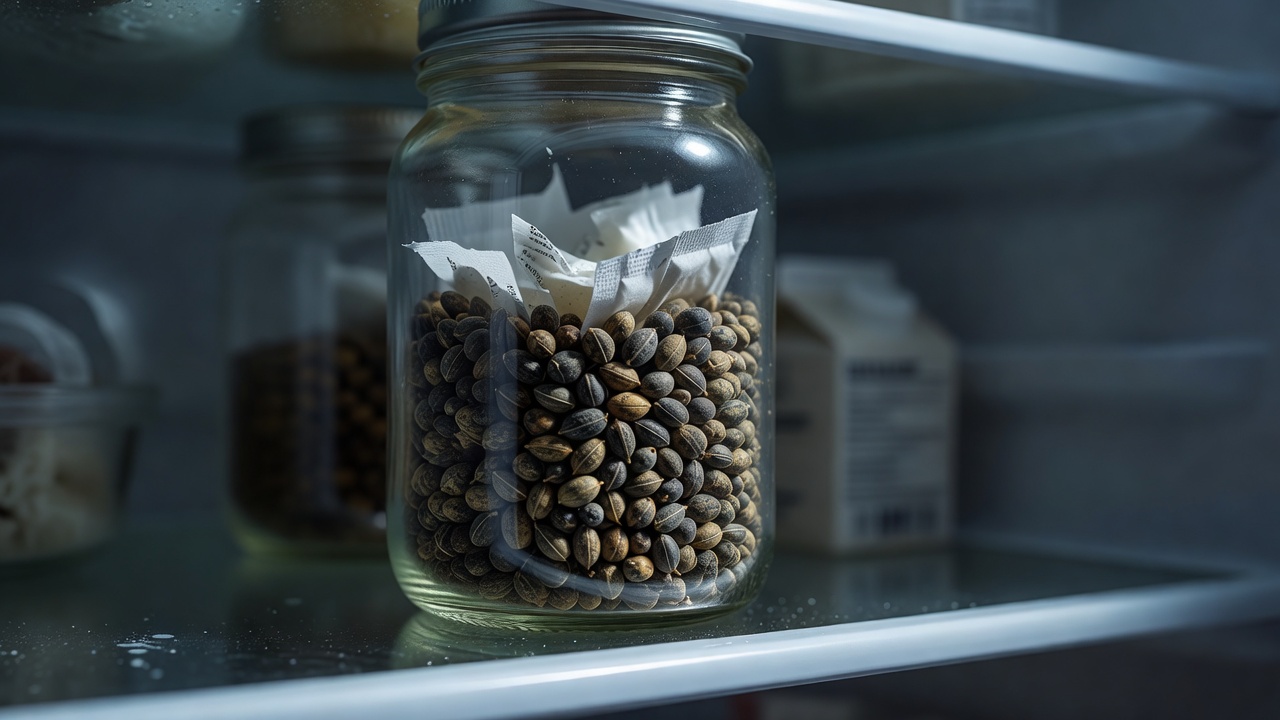
The ideal storage temperature for autoflower seeds ranges between 4 °C and 8 °C, similar to a refrigerator crisper drawer. Consistent cool conditions slow metabolic processes inside the seed, dramatically extending viability. Avoid frequent temperature swings caused by opening the fridge door often; designate a dedicated section or secondary mini-fridge for seed storage. Place seeds in the back of the crisper where temperatures remain most stable, and avoid the door shelves that experience the largest fluctuations when the appliance is used.
Never store seeds in kitchen cabinets or near heating vents where temperatures can exceed 20 °C during summer months. In 2026, smart home monitoring devices allow growers to track temperature logs remotely, providing alerts if conditions drift. For those without refrigeration access, a cool basement or insulated cellar can work temporarily, but these locations require extra humidity safeguards. A simple example is using a small digital thermometer with data logging; one grower discovered their basement averaged 12 °C in winter yet spiked to 18 °C on warm days, prompting them to add extra insulation around the storage container.
Practical Setup Tips
- Use a dedicated mini-fridge set to 6 °C and label the shelf “seeds only.”
- Check temperature weekly for the first month to confirm stability.
- Keep a backup battery-powered thermometer inside the container.
Managing Humidity Levels
Relative humidity should stay below 10 percent for long-term autoflower seed storage. Excess moisture triggers fungal growth and activates enzymes that deplete stored energy reserves. Use silica gel packets or rechargeable desiccant canisters inside containers to maintain dryness, replacing them every six months. A practical test involves placing a small piece of dry rice in the container; if it becomes soft within a week, humidity is too high and additional desiccant is needed.
Test humidity with inexpensive digital hygrometers placed inside storage units. In humid climates common in 2026, double-sealing methods become necessary. Vacuum-sealing individual seed packets before placing them in a larger airtight jar adds an extra barrier against ambient moisture. Always allow seeds to reach room temperature before opening containers to prevent condensation. One grower in a tropical area reported zero mold issues after switching to this double-seal approach combined with monthly desiccant checks.
Humidity Monitoring Routine
- Record hygrometer readings every 30 days.
- Replace silica when readings exceed 8 percent.
- Never open containers in a steamy kitchen or bathroom.
Protecting Seeds from Light Exposure
Light accelerates seed aging by promoting oxidation of internal oils. Store autoflower seeds in completely opaque containers or wrap clear jars in aluminum foil. Even brief exposure to sunlight or bright indoor lighting can reduce germination over time. Keep storage locations dark, whether inside a refrigerator or dedicated cabinet. A useful habit is to store the entire container inside a dark fabric pouch so that even when the fridge door opens, seeds remain shielded.
Many growers label containers with dates and strain names using UV-resistant markers so they never need to open them unnecessarily. This simple habit minimizes light intrusion and maintains consistent conditions. In one documented case, seeds left in a clear plastic bag on a windowsill for two weeks dropped from 95 percent to 60 percent germination.
Choosing the Right Containers
Glass jars with rubber-sealed lids or food-grade plastic containers designed for long-term storage offer the best protection. Avoid paper envelopes or thin plastic bags that allow air exchange.
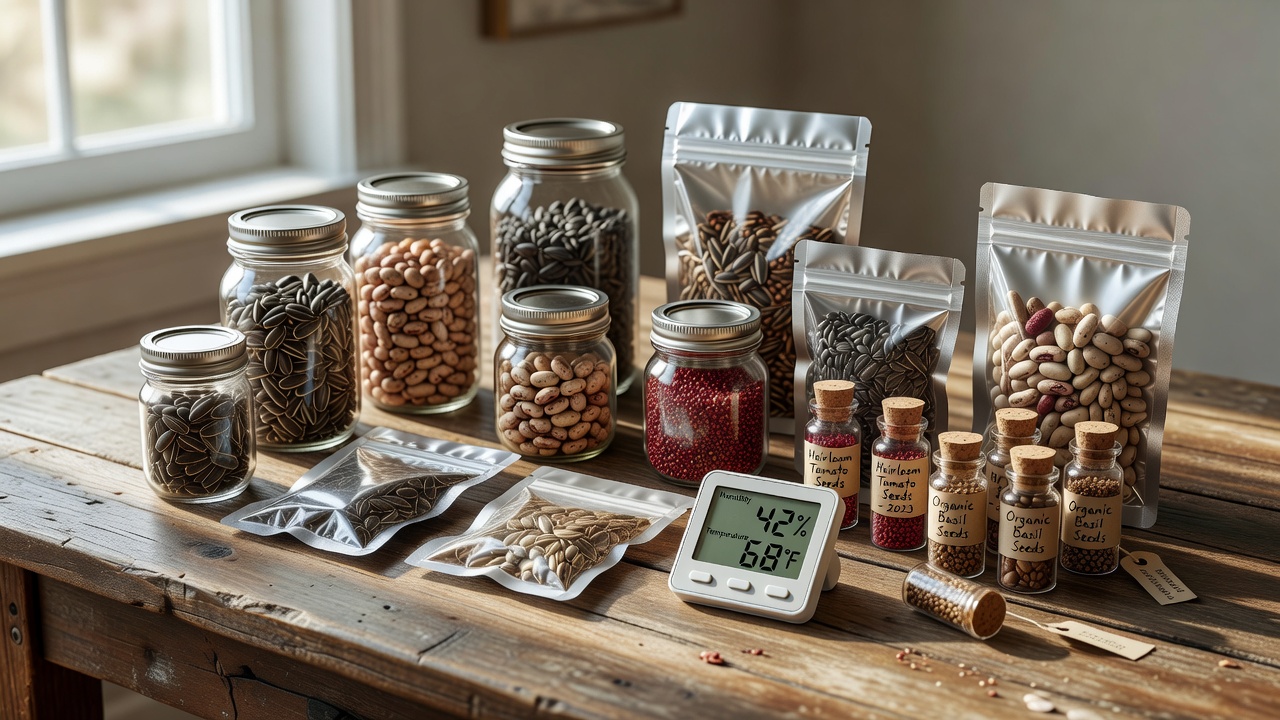
For maximum security, combine multiple layers: place seeds in small glass vials, then inside a larger jar with desiccants. This layered system creates redundant barriers against moisture and light.
Label every container clearly with strain, purchase date, and expected germination window. In 2026, some specialty seed suppliers offer vacuum-sealed mylar pouches that further improve longevity when stored correctly. Growers who adopt this method often keep detailed spreadsheets noting which batches came from which pouch, making rotation and future planning straightforward.
Common Mistakes to Avoid in 2026
One frequent error is storing seeds in the freezer without proper preparation, which can damage embryos through ice crystal formation. Another mistake involves keeping seeds near frequently used appliances that generate heat or vibration. Always separate seed storage from other garden supplies that might introduce pests or contaminants. A real-world example is a grower who stored seeds next to potting soil and later discovered tiny insects had entered through a loose lid.
Finally, resist the temptation to test germination on old batches by soaking seeds repeatedly; each test reduces remaining viable seeds. Instead, follow a rotation system where older seeds are planted first. Consistent adherence to these practices ensures your autoflower collection remains reliable for years. Implementing a simple first-in-first-out calendar helps prevent waste and maintains high success rates across every growing season.
Conclusion
By controlling temperature, humidity, and light while selecting appropriate containers, home growers can preserve autoflower seed quality well into the future. Implementing these 2026-specific strategies protects genetics and maximizes successful grows. Start organizing your seed storage today to enjoy reliable germination rates season after season. With careful attention to the details outlined above, your investment in quality autoflower genetics will continue to deliver strong plants for many years ahead.