
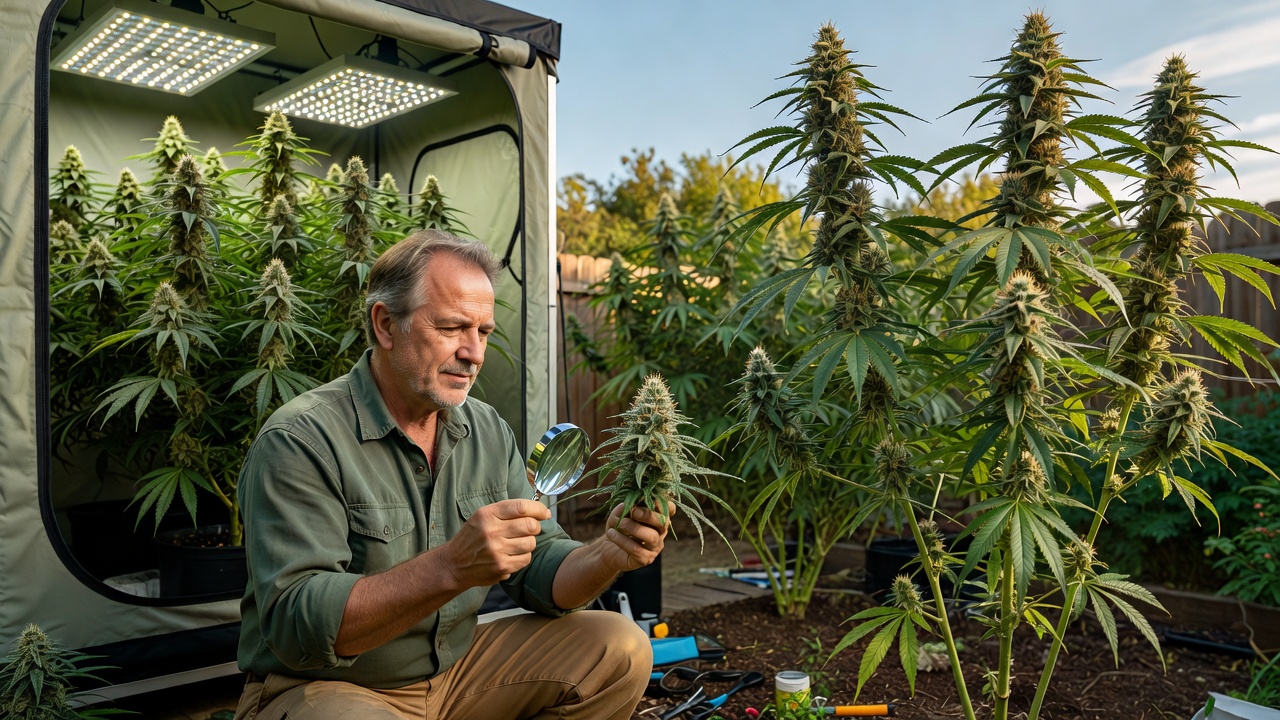
As 2026 approaches, home growers are increasingly focused on matching cannabis strains to specific cultivation environments. Indoor and outdoor setups produce markedly different outcomes in potency, terpene expression, and overall effects, according to hundreds of verified grower reports from forums and seed banks. This review-style guide examines those differences through real-world data and offers targeted seed selection strategies. By understanding these variables, cultivators can avoid common pitfalls such as mismatched genetics that underperform in their chosen setup, leading to disappointing yields or diluted effects.
Environmental Factors That Drive Profile Shifts
Light spectrum, temperature swings, and humidity levels directly influence cannabinoid synthesis. Indoor growers using full-spectrum LEDs typically report tighter THC:CBD ratios because plants experience consistent 18/6 or 12/12 photoperiods without seasonal variation. For example, maintaining a steady 6500K spectrum during vegetative growth and switching to 3000K in flower helps lock in predictable cannabinoid development. Outdoor cultivators, by contrast, note broader terpene ranges when plants endure natural UV exposure and cooler night temperatures that can drop 10-15 degrees Fahrenheit below daytime highs.
Soil biology also plays a role. Outdoor living soil beds foster microbial activity that can elevate minor cannabinoids, while sterile indoor coco or hydro systems prioritise rapid growth and higher primary THC levels. Growers consistently highlight these distinctions across popular photoperiod strains. To optimise indoors, monitor electrical conductivity in coco coir weekly and maintain levels between 1.2 and 1.8 mS/cm during peak flower; outdoors, incorporate compost teas every two weeks to boost microbial diversity and support secondary metabolite production.
Light and Temperature Interactions
Indoor setups allow precise control, such as using quantum sensors to ensure 600-900 µmol/m²/s PPFD at canopy level, which supports dense bud formation without light stress. Outdoor growers benefit from full-spectrum sunlight but must account for latitude-specific day lengths, adjusting planting dates so flowering aligns with shortening days in September or October.
Indoor Performance: Consistent Potency and Flavour
Indoor environments deliver predictable results. Strains such as Blue Dream and Gelato show elevated THC (often 22-26%) with preserved sweet berry and creamy notes when grown under controlled conditions. Reviewers praise the absence of weather-related stress that can dilute flavour compounds outdoors. A practical example involves running a 4×4 tent with two 300W LEDs, where Blue Dream plants reached 24% THC after a 63-day flower cycle when VPD was held at 0.8-1.2 kPa.
Many indoor growers report enhanced trichome density due to optimised VPD and CO2 supplementation. This translates to stronger sedative or uplifting effects depending on the cultivar. The trade-off is reduced natural terpene diversity compared with sun-grown flowers. Supplement CO2 to 1200-1500 ppm during lights-on hours after week three of flower to push resin production further, but always pair it with adequate airflow to prevent mould in dense canopies.
Training and Nutrient Adjustments
Implement low-stress training or SCROG methods early to maximise light penetration, and switch to bloom nutrients with higher phosphorus ratios at week four. Home testers frequently note that Gelato indoors retains its dessert-like aroma better than outdoor counterparts exposed to rain.
Outdoor Results: Terpene Complexity and CBD Potential
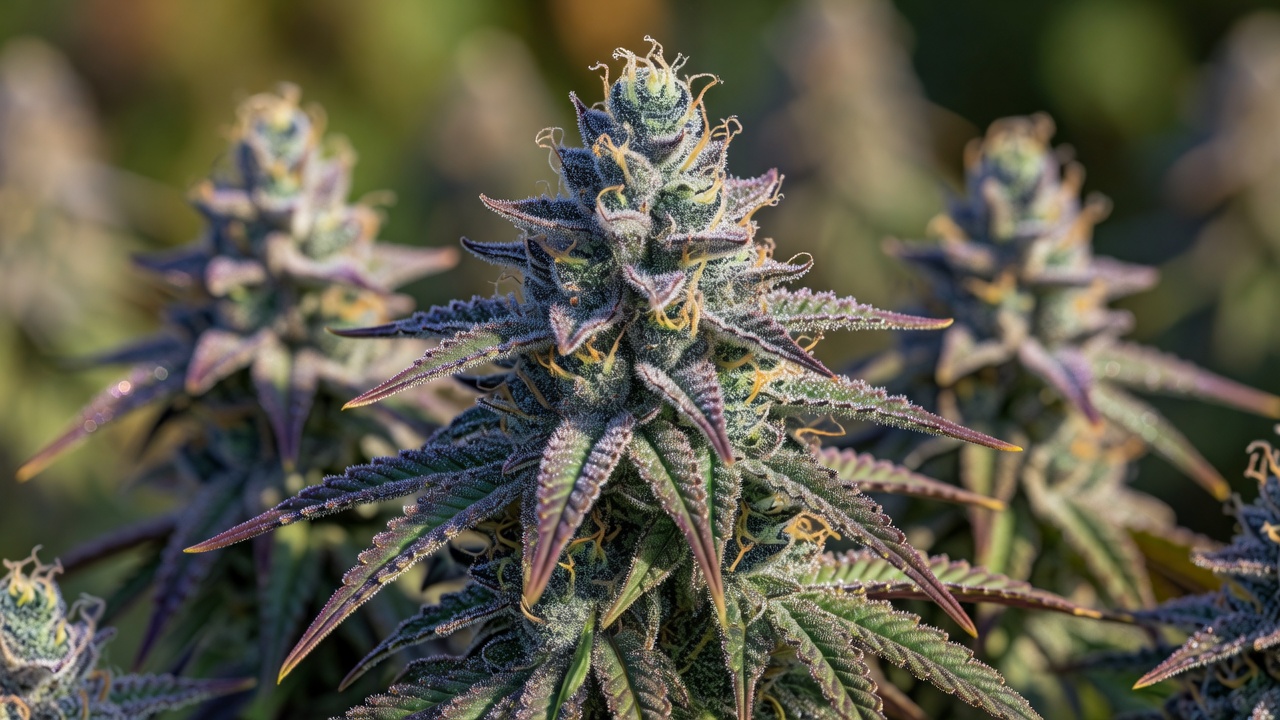
Outdoor cultivation frequently boosts myrcene and limonene expression, leading to more complex aromas and subtle entourage effects. Growers in Mediterranean climates describe higher CBD content in strains like Harlequin when plants receive full-season sunlight. Cooler autumn temperatures can also increase anthocyanin production, altering both appearance and reported anti-inflammatory effects. In practice, a grower in northern California reported Harlequin testing at 14% CBD after 90 days outdoors versus 9% in an indoor run of the same seed batch.
Real-world reviews note that outdoor plants sometimes test lower in total THC but deliver more balanced, long-lasting effects. Wind and rain exposure toughen stems and may improve resilience, though they introduce variability in final cannabinoid profiles. To mitigate risks, select sites with southern exposure and install simple hoop houses for rain protection during late flower.
Climate-Specific Examples
In cooler northern latitudes, finish plants by early October to avoid frost damage that can degrade terpenes; in warmer southern areas, extend the season with supplemental lighting if needed to prevent premature flowering.
Seed Selection Strategies for Your Setup
Choose photoperiod genetics with proven indoor stability if space and light control are priorities. Look for breeders publishing indoor test results showing consistent THC above 20%. For outdoor plots, select early-finishing or mould-resistant varieties suited to your latitude and average first-frost date.
- Prioritise strains with documented outdoor terpene data when flavour complexity matters most; cross-check lab reports from previous seasons showing elevated myrcene levels above 0.8%.
- Review 2025 harvest reports for climate-specific performance before purchasing 2026 seeds, focusing on forums where growers share photos and test results from similar USDA zones.
- Consider autoflower options only if your outdoor season is short; most reviewers still prefer photoperiods for maximum profile expression, though autos like Northern Lights Auto can finish in 70 days for high-latitude growers.
- Test multiple seed packs in small batches first, tracking metrics such as stretch ratio and resistance to powdery mildew to refine future choices.
Matching seed choice to environment reduces disappointment and maximises desired effects. Always verify germination rates above 85% from reputable banks and store seeds at 40°F in airtight containers until use.
Practical Tips for 2026 Optimisation
Start with small test grows of two or three candidate strains. Track environmental data alongside lab results or home potency estimates using inexpensive pH and EC meters plus a basic hygrometer. Adjust nutrient schedules and training techniques to the chosen environment rather than forcing the same regimen indoors and outdoors. For instance, reduce nitrogen earlier outdoors to encourage natural hardening off before cooler nights arrive.
Many experienced cultivators now cross-reference multiple seed-bank reviews before committing to larger purchases. This approach has become essential as climate patterns shift and new stable hybrids enter the market. Maintain a grow journal logging daily temperatures, humidity swings, and observed phenotypes to identify which genetics perform best in your microclimate over successive seasons.
- Begin seedlings under 20/4 light indoors before transplanting outdoors after the last frost.
- Flush with plain water two weeks before harvest both indoors and out to improve flavour clarity.
- Compare cured samples side-by-side after four weeks of jar curing at 58-62% RH.
Conclusion
Understanding how cultivation environment modifies strain outcomes empowers home growers to make informed decisions. Indoor consistency suits those seeking reliable potency, while outdoor complexity rewards patience with richer flavours and balanced cannabinoid profiles. By aligning seed selection with your specific setup, 2026 harvests can deliver exactly the effects and experiences you target. Continued experimentation with data tracking will further refine results as growing conditions evolve.