
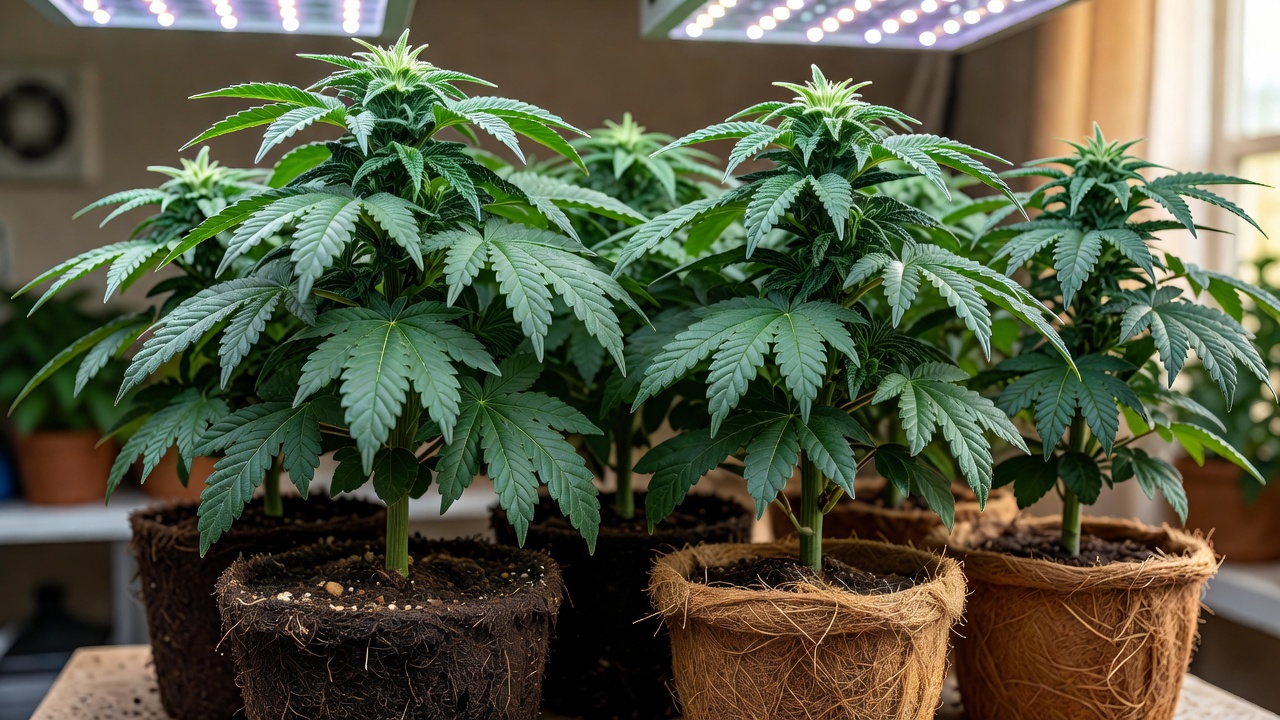
Growing cannabis from seed requires choosing the right medium, and in 2026 home growers continue to debate soil versus coco coir. Both mediums support healthy root development and high-quality harvests when managed correctly. This guide examines practical differences to help seed buyers make informed decisions for their indoor or outdoor setups. Whether you are starting with a small closet grow or scaling to a dedicated tent, understanding how each medium interacts with water, nutrients, and genetics sets the foundation for success from day one.
Choosing the Right Medium for Cannabis Seeds
Soil remains the traditional choice for many beginners because it offers natural buffering and microbial activity that supports young seedlings. Coco coir, derived from coconut husks, provides excellent aeration and water retention, making it popular among those seeking faster growth cycles. Seed buyers often start with feminized or autoflower varieties and must match the medium to their experience level and available time for maintenance. For example, a first-time grower planting three Northern Lights feminized seeds may prefer soil for its forgiveness, while an experienced cultivator running eight Sour Diesel autoflowers might choose coco for tighter control over feeding.
Understanding pH stability and nutrient uptake helps avoid early setbacks. Soil typically holds nutrients longer, while coco coir drains quickly and requires more frequent feeding. Both can produce premium flowers when paired with quality cannabis seeds selected for vigor and resilience. Consider your local water source as well: if your tap water already carries 200 ppm of dissolved solids, soil’s buffering capacity gives more margin for error than coco during the critical first three weeks.
Setup Differences: Soil vs Coco Coir
Soil Preparation Steps
Preparing soil involves selecting a well-aerated organic mix with perlite or vermiculite for drainage. A proven recipe for a 5-gallon fabric pot is 60 percent high-quality potting soil, 20 percent perlite, 10 percent worm castings, and 10 percent compost. Fill pots or beds and lightly moisten before planting seeds directly or after germination. Many growers add a handful of mycorrhizal inoculant at the bottom of each hole to promote rapid root colonization.
Coco Coir Preparation Steps
Coco coir setup requires buffering the medium to remove salts, then mixing with perlite at a 70/30 ratio for optimal root oxygenation. Rinse compressed coco bricks in pH 6.0 water until runoff EC drops below 0.4, then let the medium sit overnight. Containers with ample drainage holes prevent waterlogging in both cases. Beginners should label pots clearly and maintain consistent temperatures around 70-75°F during the seedling stage. Proper setup reduces transplant shock and encourages strong early growth from your chosen seeds.
Watering and Nutrient Strategies
Watering frequency differs significantly between the two mediums. Soil stays moist longer, so growers typically water every 3-5 days once plants establish. A practical rule is to lift each pot: when it feels 30-40 percent lighter than a freshly watered pot, it is time to irrigate until 20 percent runoff appears. Coco coir demands more regular attention, often daily or every other day, because it dries out faster yet retains moisture at the root zone. Always check moisture levels with a meter or finger test to avoid overwatering.
Nutrient schedules also vary. Soil growers can rely on organic amendments for slower release, while coco coir users apply hydro-style nutrients at lower EC levels from the start.
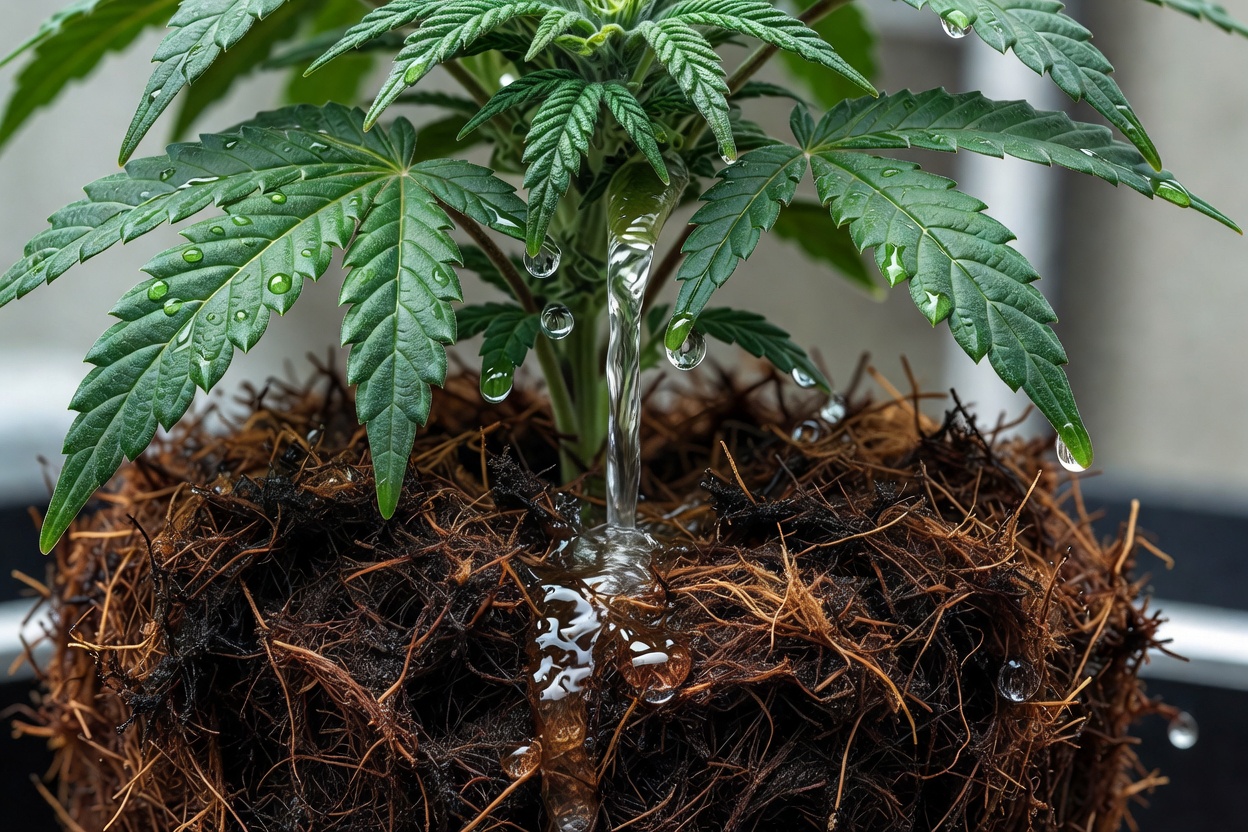
Transitioning to full-strength feeds too quickly in coco leads to burn, so gradual increases are essential for seed-grown plants. A typical coco schedule begins at 0.8 EC in week one and rises to 1.4 EC by week four, always followed by a plain-water flush every seventh irrigation to prevent salt accumulation.
Yield Impacts and Growth Rates
Coco coir often delivers faster vegetative growth and potentially higher yields due to superior oxygen access and precise nutrient control. Many 2026 cultivators report 10-20% larger harvests from coco when dialed in correctly. In one documented indoor run, eight plants in coco produced 2.8 pounds of dried flower under a 600-watt LED, while an identical genetic lineup in soil yielded 2.3 pounds with slightly higher terpene percentages. Soil, however, produces robust plants with enhanced terpene profiles and may require less intervention overall, appealing to growers prioritizing flavor and simplicity.
Factors like lighting, genetics, and environment ultimately determine final output. Seed buyers should select strains known for medium adaptability to maximize results in either setup. Autoflowers such as Blue Cheese tend to finish in 70-75 days in coco versus 78-85 days in soil, giving coco users an extra harvest window each year.
Transitioning Between Mediums: Beginner Tips
Moving from soil to coco coir starts with germinating seeds in a neutral medium like rockwool before transplanting. Gradually reduce soil amendments while increasing coco-specific nutrients over two weeks. The reverse transition involves adding beneficial microbes to help roots adapt to organic soil conditions. Monitor pH closely during changes—aim for 6.0-6.5 in soil and 5.8-6.2 in coco. Start small with clones or spare seeds to test your technique before committing an entire crop. Keep a simple notebook or spreadsheet logging pH, EC, and watering dates for the first three transitions to spot patterns quickly.
Common Pitfalls to Avoid in 2026
Overlooking salt buildup in coco coir remains a top issue; flush regularly with pH-balanced water. In soil, poor drainage causes root rot, so always use quality mixes. Ignoring environmental data from modern sensors can lead to inconsistent results across both mediums. Another frequent mistake is rushing nutrient strength with new seeds. Begin conservatively and observe plant response. Purchasing from reputable seed banks ensures genetic quality that withstands medium-specific challenges. Finally, avoid reusing coco without thorough washing and buffering; residual salts from previous cycles are the leading cause of stunted seedlings in 2026 grows.
Final Recommendations for Home Growers
Both soil and coco coir offer viable paths to successful cannabis cultivation from seed. Soil suits those seeking low-maintenance organic grows, while coco coir rewards attentive feeders with quicker turnaround. Evaluate your schedule, space, and goals before deciding. For authoritative soil management practices, consult resources from the USDA. Experiment responsibly and track results to refine your approach season after season. Many growers ultimately keep one tent in soil for flavor-focused strains and another in coco for maximum production, using the same seed batch to compare outcomes directly.