
Introduction to Feminized Seeds for Outdoor Success
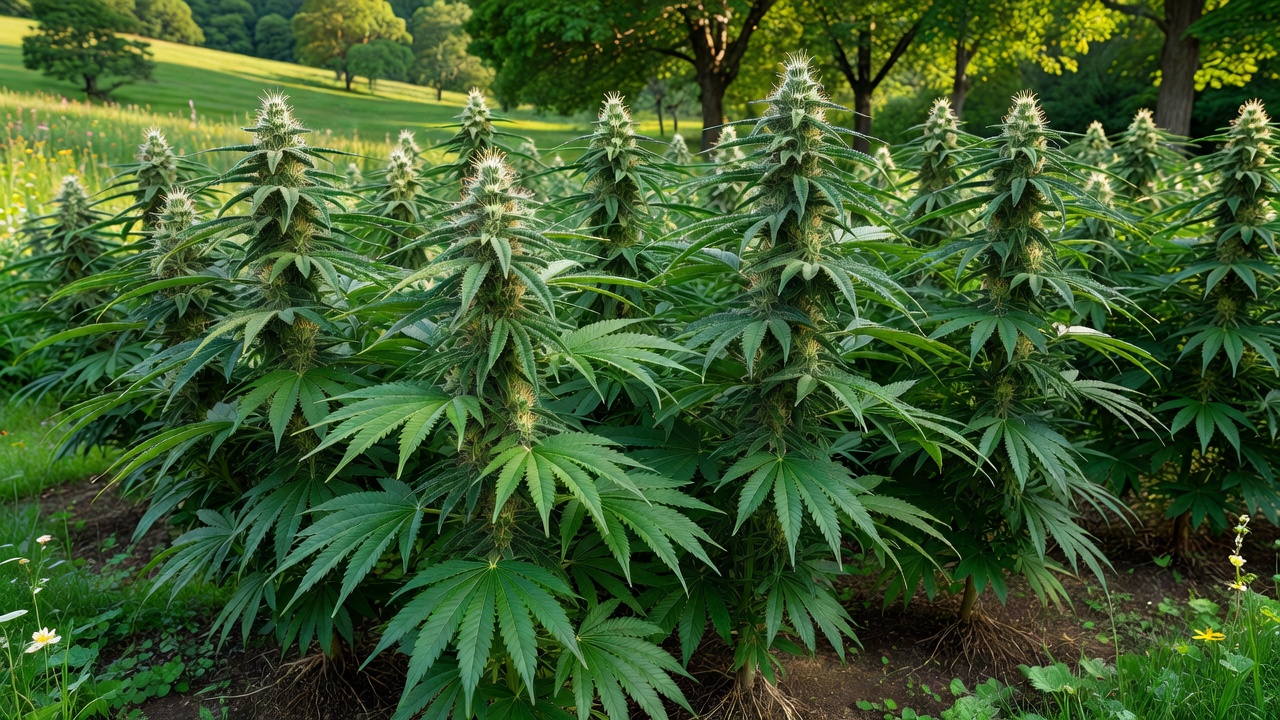
Choosing the right feminized seeds is essential for home growers aiming for productive outdoor photoperiod cannabis gardens. In 2026, with evolving climate patterns and refined breeding techniques, selecting seeds that thrive under natural light cycles ensures robust plants and abundant harvests. This guide covers climate considerations, key female plant traits, optimal timing, and practical sourcing strategies.
Understanding Feminized Cannabis Seeds
Feminized seeds are bred to produce nearly 100% female plants, eliminating the need to identify and remove males. For outdoor photoperiod grows, these seeds align perfectly with seasonal light changes, allowing plants to vegetate in lengthening days and flower as daylight shortens. Home enthusiasts benefit from higher efficiency and reduced risk of pollination issues.
Climate Considerations for Outdoor Photoperiod Grows
Successful outdoor cultivation starts with matching feminized seed varieties to your local climate. Temperate regions with mild summers suit many indica-dominant hybrids, while warmer subtropical areas favor sativa-leaning strains. Consider factors like average temperatures, rainfall, and frost dates.
Photoperiod plants require consistent natural light cycles, so avoid areas with extreme weather swings that could stress developing females.
- Monitor humidity levels to prevent mold on dense buds.
- Choose strains with strong resistance to local pests and diseases.
- Account for elevation, which affects UV exposure and growth speed.
Key Traits of Female Cannabis Plants
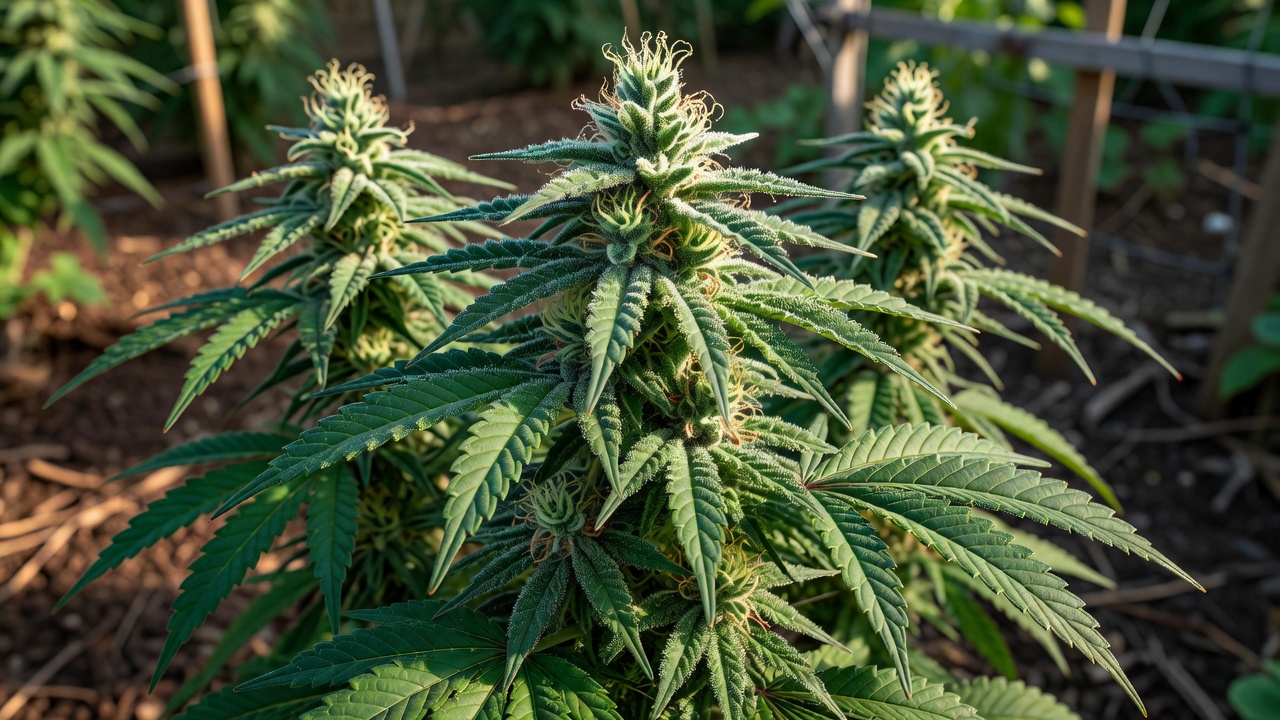
Female plants exhibit distinct characteristics that maximize yields. Look for seeds from breeders emphasizing resin production, sturdy branching, and resistance to hermaphroditism. Healthy females develop pistils early in flowering and produce dense, aromatic colas when grown outdoors.
Identifying Quality Female Traits in Seed Selection
When sourcing, review strain descriptions for mentions of high THC or CBD content, vigorous root systems, and adaptability to natural photoperiods. Female traits include wider leaf structure in indicas and taller, airier growth in sativas.
Timing Strategies to Maximize Yields
Timing is critical for photoperiod cannabis. Start seeds indoors 4-6 weeks before the last frost to give seedlings a head start. Transplant outdoors after soil warms to 60°F. Flowering will trigger naturally around the summer solstice as days shorten. In northern latitudes, harvest typically occurs in September or October. Southern growers may extend vegetative growth with supplemental techniques if needed.
- Germinate in early spring aligned with equinox timing.
- Vegetative phase lasts until mid-summer light reduction.
- Monitor trichome development for precise harvest windows.
Sourcing High-Quality Feminized Seeds
Purchase from reputable seed banks with germination guarantees and lab-tested genetics. Verify strain stability for outdoor performance. Resources like usda.gov provide regulatory guidance on hemp cultivation that applies to broader cannabis practices, while ncbi.nlm.nih.gov offers scientific insights into photoperiod responses.
Practical Tips for Home Growers
Prepare soil with organic amendments for nutrient-rich beds. Use companion planting to deter pests naturally. Water consistently but avoid over-saturation. Train plants with low-stress techniques to optimize light exposure in natural cycles. Track weather forecasts closely during flowering to protect against rain-induced bud rot.
Conclusion
With careful selection of feminized seeds suited to outdoor photoperiod conditions, growers in 2026 can achieve impressive yields. Focus on climate fit, female plant qualities, and precise timing for the best results in your home garden.