
Harvesting Autoflowering Cannabis: Timing for Maximum Potency and Flavor in 2026
Autoflowering cannabis strains have transformed home growing by offering fast cycles and simplicity. Knowing exactly when to harvest autoflowers ensures peak THC levels, rich terpene profiles, and smooth flavor. This guide covers the key visual and scientific indicators, tailored flushing protocols, and practical steps to avoid common mistakes.
Understanding Trichome Development
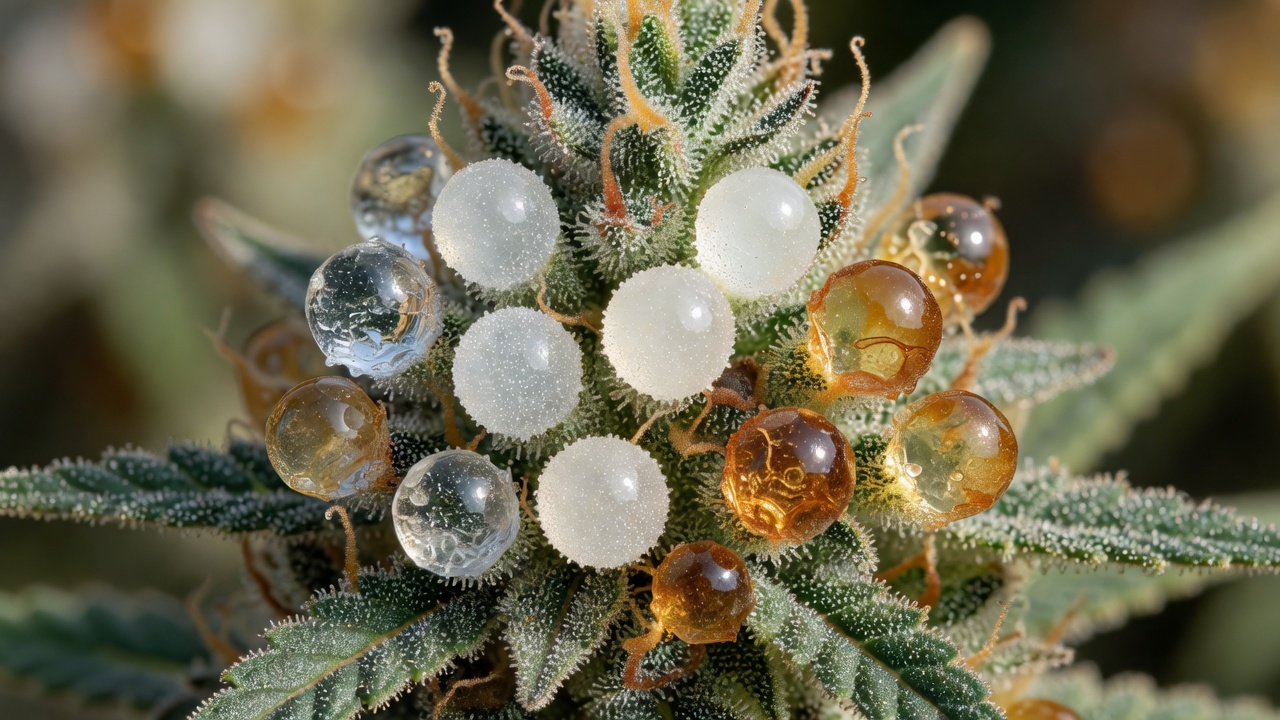
Trichomes are the tiny resin glands that produce cannabinoids and terpenes. Their color changes signal ripeness. Use a jeweler’s loupe or digital microscope for accurate assessment. Clear trichomes indicate immaturity with low potency. Milky white trichomes represent peak THC content and optimal flavor. Amber trichomes show THC converting to CBN, creating more sedative effects.
For most autoflower seeds growers, harvest when 70-80% of trichomes are milky and 20-30% amber. This balance delivers potent, flavorful buds without excessive sedation.
Scientific Indicators Beyond Visual Checks
While visuals guide most decisions, scientific testing confirms readiness. Lab analysis of cannabinoid profiles shows THC peaking just before rapid degradation. Home growers can reference studies from nih.gov on trichome maturation timelines. In 2026, affordable portable spectrometers allow precise readings without sending samples to labs.
Pistil Changes as Harvest Indicators
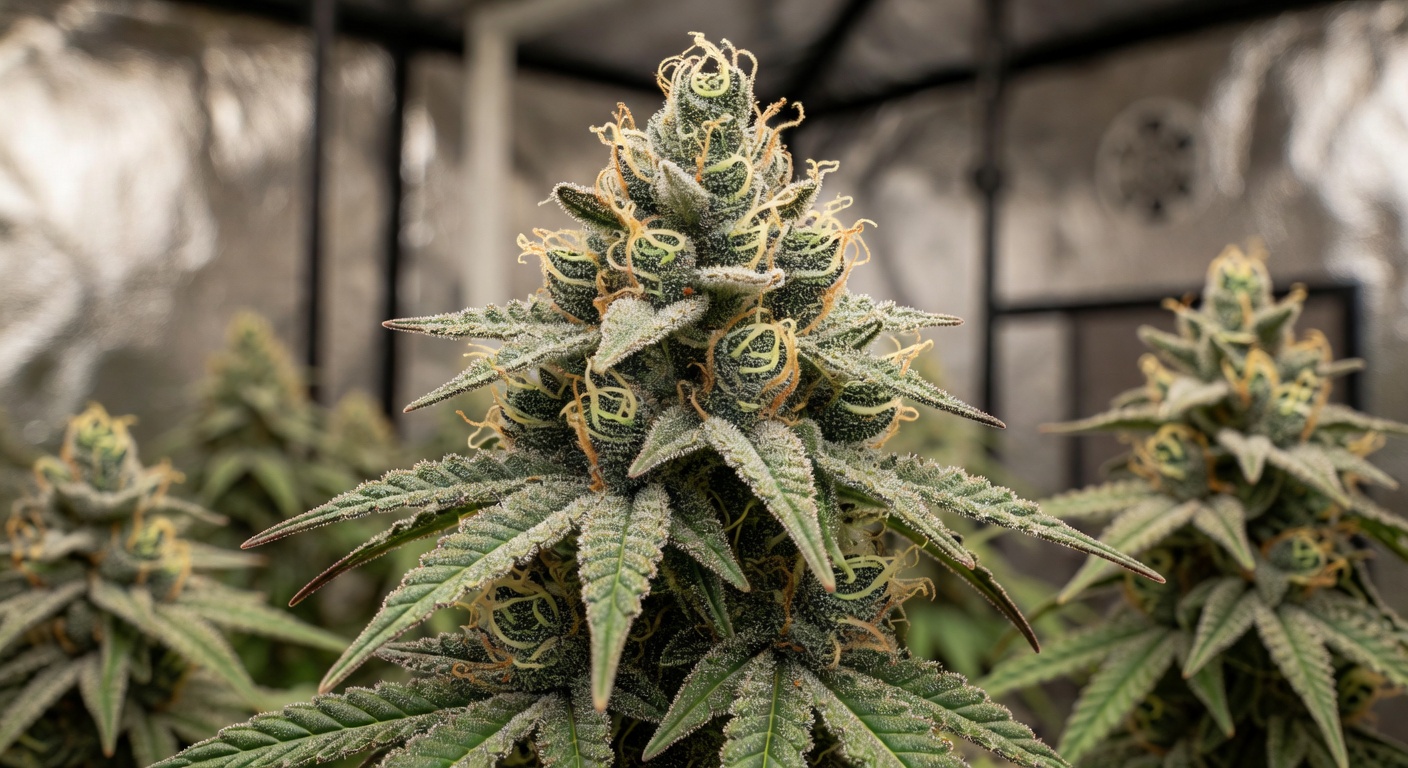
Pistils, the hair-like structures on buds, provide another reliable cue. Initially white and upright, they darken and curl as maturity approaches. When 70-90% of pistils turn brown or orange and recede into the calyxes, the plant is nearing harvest. Combine this with trichome checks for accuracy, as some autoflowers may show varied pistil behavior due to genetics.
Flushing Protocols for Autoflowers
Flushing removes excess nutrients for cleaner smoke and better taste. Start 10-14 days before harvest with plain pH-balanced water. For soil growers, use 2-3 times the pot volume. Coco and hydro systems require shorter flushes of 5-7 days. Monitor runoff EC levels dropping below 0.6 to confirm complete flushing. Avoid over-flushing, which can stress plants and reduce final yields.
Step-by-Step Harvesting Method
- Prepare tools: sharp scissors, gloves, and drying racks.
- Harvest in low light to preserve terpenes.
- Cut branches at the base and trim large fan leaves.
- Inspect buds closely one final time for any remaining clear trichomes.
- Hang branches upside down in a dark room at 60-70°F with 45-55% humidity.
- Dry for 7-14 days until stems snap cleanly.
- Cure in glass jars, burping daily for the first two weeks.
Common Mistakes to Avoid in 2026 Grows
Many growers harvest too early, chasing quick results and missing full potency. Others wait too long, leading to degraded THC. Ignoring strain-specific genetics is another error—check breeder recommendations for your autoflower seeds. Poor flushing often results in harsh smoke and chemical aftertaste. Always track environmental data in your grow journal to refine future harvests.
Maximizing Quality for Future Seasons
Post-harvest, store buds properly to maintain quality. Use airtight containers away from light and heat. In 2026, new LED spectrum advancements allow even better trichome development during final weeks. Experiment with slight stress techniques like low-stress training earlier in the cycle to boost resin production. For authoritative cultivation standards, consult resources at who.int on cannabinoid research.
By mastering these indicators and protocols, home growers achieve professional-grade results with every autoflower harvest.