
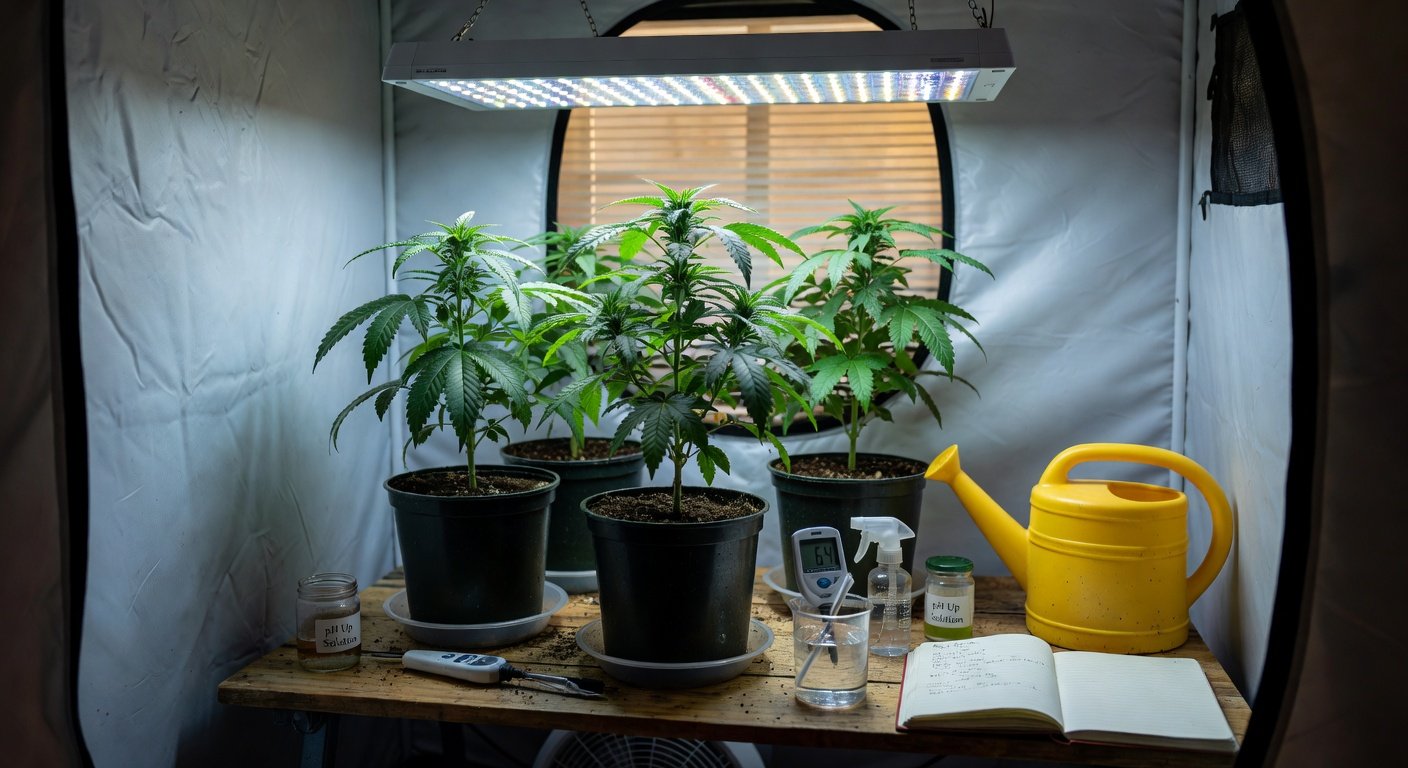
Introduction to Common Beginner Cannabis Growing Pitfalls
Growing cannabis at home can be an exciting and rewarding experience, especially in 2026 when access to high-quality, easy-to-grow seeds is more straightforward than ever. For first-time growers, starting with beginner-friendly feminized or autoflowering seeds simplifies the process, allowing you to focus on the joys of cultivation rather than constant troubleshooting. However, even with these user-friendly varieties, pitfalls like overwatering, incorrect pH levels, and nutrient burn can quickly derail your grow. These issues are widespread among novices because they often stem from enthusiasm outpacing knowledge.
In this guide, we’ll break down the top three pitfalls that plague beginner grows. For each, we’ll explore the causes, recognizable symptoms, and straightforward fixes tailored to home setups. By understanding these, you’ll be better equipped to nurture your plants from seedling to harvest. Remember, patience and observation are key—cannabis plants are resilient, and most mistakes are fixable if caught early.
Overwatering: The Silent Killer of Young Plants
Overwatering is arguably the most common mistake beginners make when starting with easy cannabis seeds. Eager to see their plants thrive, new growers often drench the soil, thinking more water equals faster growth. But cannabis roots need oxygen as much as they need moisture, and excess water suffocates them.
Causes of Overwatering
The root cause is usually a lack of understanding about soil moisture needs. Cannabis seedlings and young plants from easy seeds require less water than mature ones. Factors like poor drainage in pots, using heavy soils that retain too much water, or inconsistent watering schedules exacerbate the problem. In humid environments, common in many home grows, evaporation slows, leading to soggy conditions without realizing it.
Symptoms to Watch For
Early signs include drooping leaves that feel limp, even after watering—unlike the healthy wilt from underwatering. Look for yellowing lower leaves, stunted growth, or a musty smell from the soil indicating root rot. In severe cases, stems may soften, and plants could collapse entirely. If you’re using autoflowering seeds, which have a short life cycle, these symptoms can appear quickly, within a week or two.
Simple Fixes for Beginners
Stop watering immediately and let the soil dry out naturally—stick your finger two inches into the soil; if it’s dry, it’s time to water again. Improve drainage by adding perlite or vermiculite to your soil mix, or switch to fabric pots that allow better airflow. For easy seeds, start with small pots to match the root size and water sparingly: about once every 2-3 days for seedlings, adjusting based on your setup. Use a moisture meter for precision if you’re tech-savvy, but your finger works fine for starters. With these tweaks, your plants should perk up in a few days.
Wrong pH Levels: Disrupting Nutrient Uptake
pH balance is crucial for cannabis because it affects how plants absorb nutrients from the soil or hydroponic solution. Beginners often overlook this, leading to locked-out nutrients even if you’re feeding correctly. Ideal pH for soil-grown cannabis is 6.0-7.0, while hydro setups prefer 5.5-6.5. Deviating from this range, especially with easy seeds that are sensitive in early stages, can stunt your entire grow.
Causes of pH Imbalances
Common culprits include tap water with high alkalinity, which raises pH over time, or acidic nutrients that drop it too low. Using unadjusted potting soil or forgetting to test runoff water contributes as well. For home growers starting with feminized seeds, the initial soil pH might seem fine, but as plants grow and release root exudates, levels shift without monitoring.
Symptoms of pH Problems
Yellowing leaves with green veins (chlorosis) is a classic sign, often starting at the tips or edges. In alkaline conditions (high pH), iron and manganese deficiencies show as pale new growth; acidic soil (low pH) causes burnt tips and dark green leaves. Plants may grow slowly, with twisted or spotted foliage. If ignored, it leads to overall weakness, making your easy seeds underperform despite their vigor.
Easy Fixes Tailored for First-Timers
Test your water and soil pH regularly using affordable strips or a digital meter—aim for the sweet spot mentioned earlier. Adjust with pH up/down solutions: a few drops in your watering can should suffice for small corrections. For soil, incorporate dolomite lime to buffer alkalinity or sulfur for acidity, but go slow to avoid overcorrecting. Flush the medium with pH-balanced water if symptoms are advanced, then resume feeding. Resources like the University of Minnesota Extension offer detailed guides on soil pH for plants like cannabis. With consistent checks, your beginner grow will absorb nutrients efficiently.
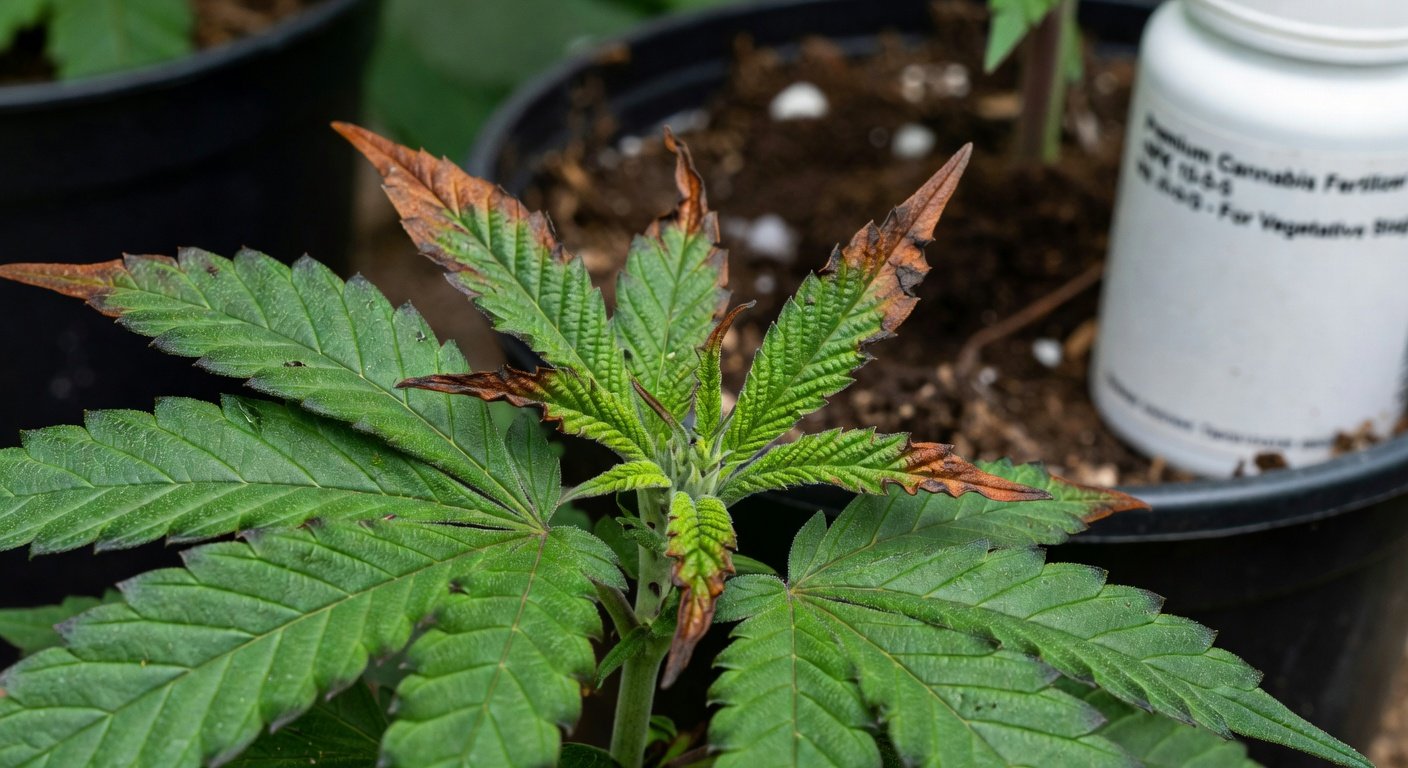
Nutrient Burn: Overfeeding Your Greedy Plants
Nutrient burn happens when you give too much fertilizer, essentially ‘burning’ the roots and leaves with excess salts. Beginners, excited about lush growth from easy cannabis seeds, often follow feeding schedules too aggressively, ignoring the plant’s actual needs.
Causes of Nutrient Burn
It’s typically from using full-strength nutrients too early or not diluting properly. Buildup in soil from repeated overfeedings, combined with poor flushing, worsens it. Autoflowering seeds, popular among novices for their speed, are particularly prone since their short vegetative phase limits recovery time. Hard water or inconsistent mixing also plays a role.
Symptoms to Identify
Brown or crispy leaf tips curling upward are the telltale signs, progressing to yellowing and necrosis between veins. The damage starts on older, lower leaves and moves up if unchecked. Plants may look dark green and overly vigorous before the burn sets in, a false sense of security for new growers. In hydro systems, you might notice foam or residue in the reservoir.
Straightforward Fixes for Home Grows
Flush immediately with plain, pH-balanced water—three times the pot volume—to wash out excess salts. Hold off on nutrients for a week, then reintroduce at half strength, gradually increasing as plants recover. For soil-based easy seeds, top-dress with plain compost to dilute. Always start with 1/4 to 1/2 the recommended dose for seedlings and veg stage. The Leafly guide on nutrient management is a great resource for dosing tips. Recovery takes 7-10 days, but early intervention prevents total loss.
Prevention Checklist for a Smooth Cannabis Growing Experience
To wrap up, preventing these pitfalls ensures your first grow with easy cannabis seeds is successful and stress-free. Use this checklist as your daily or weekly guide:
- Water Wisely: Check soil moisture before watering; aim for dry top inch. Use well-draining pots and medium.
- Monitor pH: Test water and runoff weekly. Adjust to 6.0-7.0 for soil. Keep a log of readings.
- Feed Conservatively: Start nutrients at low doses. Flush monthly and watch for tip burn. Use cannabis-specific formulas.
- Observe Daily: Inspect leaves for color changes, wilting, or spots. Adjust light, temp (70-85°F), and humidity (40-60%) accordingly.
- Start Small: Begin with 2-3 plants using autoflower or feminized seeds to learn without overwhelm.
- Research Your Setup: Join online communities or read up on your strain’s needs. Tools like timers and meters make life easier.
By steering clear of overwatering, pH mishaps, and nutrient burn, you’ll cultivate healthy plants and a bountiful harvest. Growing cannabis is a learning curve, but with these insights, your beginner journey in 2026 will be smoother and more enjoyable. Happy growing!