

Introduction: Why Accurate Strain Reviews Matter for 2026 Growers
Home growers and cannabis enthusiasts rely on strain reviews to select seeds that deliver expected potency, flavor, and growth traits. In 2026, with an expanding market of breeders and online sellers, misleading reviews have become more common. These false accounts can lead to wasted time, money, and disappointment in cultivation results. This guide helps you identify red flags in reviews by examining inconsistencies in reported effects, flavors, and cannabinoid content. It also provides practical verification strategies using lab reports and community input to ensure you choose authentic best cannabis strains for successful home grows.
Consider a typical scenario where a new grower purchases seeds based on a single glowing review promising rapid growth and intense effects. Without cross-checking, they invest weeks only to discover the plants exhibit unexpected traits or lower potency. Concrete guidance starts with maintaining a review log: note the source, date, and specific claims for each strain. This practice builds a personal database that reveals patterns over multiple purchases and helps avoid repeat disappointments in future seasons.
Understanding Common Inconsistencies in Strain Effects
One of the first signs of a misleading review is conflicting descriptions of a strain’s effects. Authentic reviews typically align on core experiences such as relaxation, euphoria, or focus, based on the strain’s genetic profile. When multiple reviews claim drastically different outcomes—like one describing heavy sedation and another claiming energizing stimulation for the same strain—it signals potential fabrication or confusion with another variety.
Growers should compare reviews across several platforms for patterns. Pay attention to dosage context and user tolerance levels mentioned. Reliable feedback often includes details like consumption method and time of day, which help contextualize effects. Inconsistencies here often point to paid promotions rather than real user experiences, especially with newer 2026 releases lacking established grow histories.
Practical Comparison Steps for Growers
Start by selecting three to five trusted platforms and searching the exact strain name plus the year 2026. Create a simple spreadsheet listing claimed effects, then highlight matches and outliers. For example, if 80 percent of reports describe evening relaxation but one claims morning focus, investigate the outlier for possible mix-ups. Add grower-specific notes such as whether the reviewer used hydroponics or soil, as these methods influence perceived effects. This methodical approach saves money by steering clear of overhyped seeds that fail to match your intended grow goals.
Spotting Discrepancies in Flavors and Aromas
Flavor and aroma profiles offer another key area for spotting fakes. Genuine strain reviews describe terpene-driven notes consistently, such as citrus, pine, or earthiness tied to specific genetics. Misleading ones might list impossible combinations, like claiming both sweet berry and diesel fuel in equal measure without noting dominant notes, or contradict known lineage traits.
Examine reviews for vague or overly poetic language instead of specific descriptors. Cross-reference with breeder information on terpene content. For home cultivators, matching these profiles during actual grows confirms authenticity. Discrepancies often arise when reviewers copy generic templates without testing the product themselves.
Terpene Matching During Cultivation
When your plants reach the flowering stage, perform weekly aroma checks by gently rubbing a lower leaf and noting the scent. Compare this to the review descriptions you collected earlier. A real strain like one with dominant myrcene will produce earthy, herbal notes consistently across multiple plants. If your grow yields pine instead, the seeds may not match the advertised lineage. Keep a grow journal with dated entries to track how nutrients or light intensity alter the final flavor profile, giving you data to share in future community discussions.
Verifying THC and CBD Percentages
Reported THC and CBD levels are frequent targets for exaggeration in strain reviews. Authentic reviews cite ranges backed by testing rather than exact high numbers like 30% THC without context. Look for mentions of variability due to growing conditions, as real results fluctuate based on nutrients, light, and harvest timing.
Red flags include reviews promising guaranteed potency without acknowledging lab variance or grow data. In 2026, with advanced testing available, avoid strains where reviews ignore CBD content entirely if the strain is marketed as balanced. Always seek reviews that reference independent tests rather than seller claims alone.
Accounting for Grow Condition Variability
Understand that a strain listed at 22 percent THC may test at 18 percent in a cooler climate or with organic nutrients. Practical example: run a small test grow of three plants under identical conditions and submit one sample for lab analysis at harvest. Record the actual percentage alongside the review claims. This data reveals whether the advertised potency holds true or represents marketing exaggeration, allowing you to adjust expectations and cultivation techniques for subsequent runs.
Recognizing Exaggerated Claims and Missing Grow Data
Exaggerated claims represent a major warning sign. Reviews boasting impossible yields, disease resistance, or flowering times without supporting evidence should raise suspicion. Legitimate feedback includes practical details like plant height, nutrient needs, and common issues encountered during cultivation.
Lack of grow data is equally telling. Quality reviews from enthusiasts detail setup specifics, such as indoor versus outdoor methods or photoperiod adjustments. Absence of this information suggests the reviewer never cultivated the strain. For 2026 buyers, prioritize reviews with photos or timelines from actual grows to filter out marketing fluff.
Evaluating Yield and Resistance Claims
When a review claims 600 grams per square meter indoors, ask whether the grower used advanced training techniques or supplemental CO2. Without those details the number is likely inflated. In your own garden, track metrics such as grams per watt and note any pest issues that arose. This concrete record helps you spot when future reviews omit similar troubleshooting information and therefore lack credibility.
Utilizing Lab Reports for Authentication
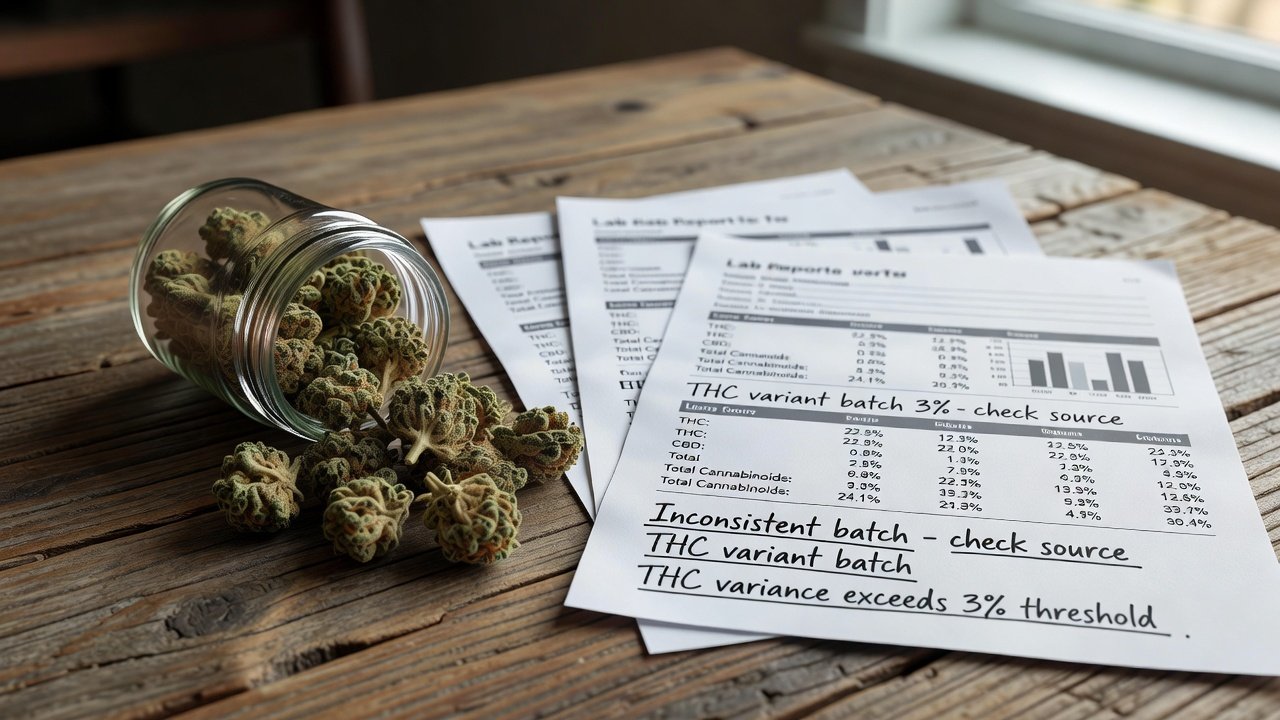
Lab reports serve as the gold standard for verification. Seek reviews that link to or reference certificates of analysis from accredited labs showing actual cannabinoid and terpene profiles. Cross-check these against advertised claims to confirm consistency. Official sources emphasize the importance of accurate labeling and testing.
Community-driven platforms often share user-submitted lab results. Compare multiple reports for the same strain to identify outliers. This approach helps home growers avoid seeds that underperform in potency or purity. In 2026, demand transparency from sellers by requesting recent lab data before purchase.
Interpreting Multiple Lab Reports
Collect at least two reports from different harvests of the same strain. Calculate average THC, CBD, and key terpene percentages. If one report shows 15 percent THC while another lists 28 percent, investigate growing conditions or possible sample mix-ups. Use this averaged data to set realistic expectations for your environment and avoid strains whose lab results vary too widely to be reliable.
Leveraging Community Feedback Effectively
Community forums and grow groups provide valuable cross-verification. Engage with established cannabis enthusiast networks to ask for real-world experiences beyond polished reviews. Look for consensus on effects and growth patterns across dozens of users rather than isolated glowing testimonials.
Combine this with seed bank reputations and third-party testing sites. Reliable feedback often includes troubleshooting tips or phenotype variations, adding depth missing from fake reviews. This strategy ensures selection of strains suited to your specific grow environment and goals.
Building a Verification Network
Join two or three active grow forums and post a neutral query about a specific strain, asking for both successes and failures. Note recurring advice such as recommended veg time or common deficiencies. Over time this collective knowledge becomes more trustworthy than any single review and helps you adapt techniques to your local climate or indoor setup.
Conclusion: Building Confidence in 2026 Strain Selection
By systematically checking for inconsistencies in effects, flavors, and cannabinoid data while demanding grow details and lab support, growers can confidently navigate strain reviews. These steps protect against misleading information and lead to successful cultivation of authentic, high-performing cannabis varieties throughout 2026 and beyond. Always prioritize verified sources and community consensus for the best results in your home garden.