
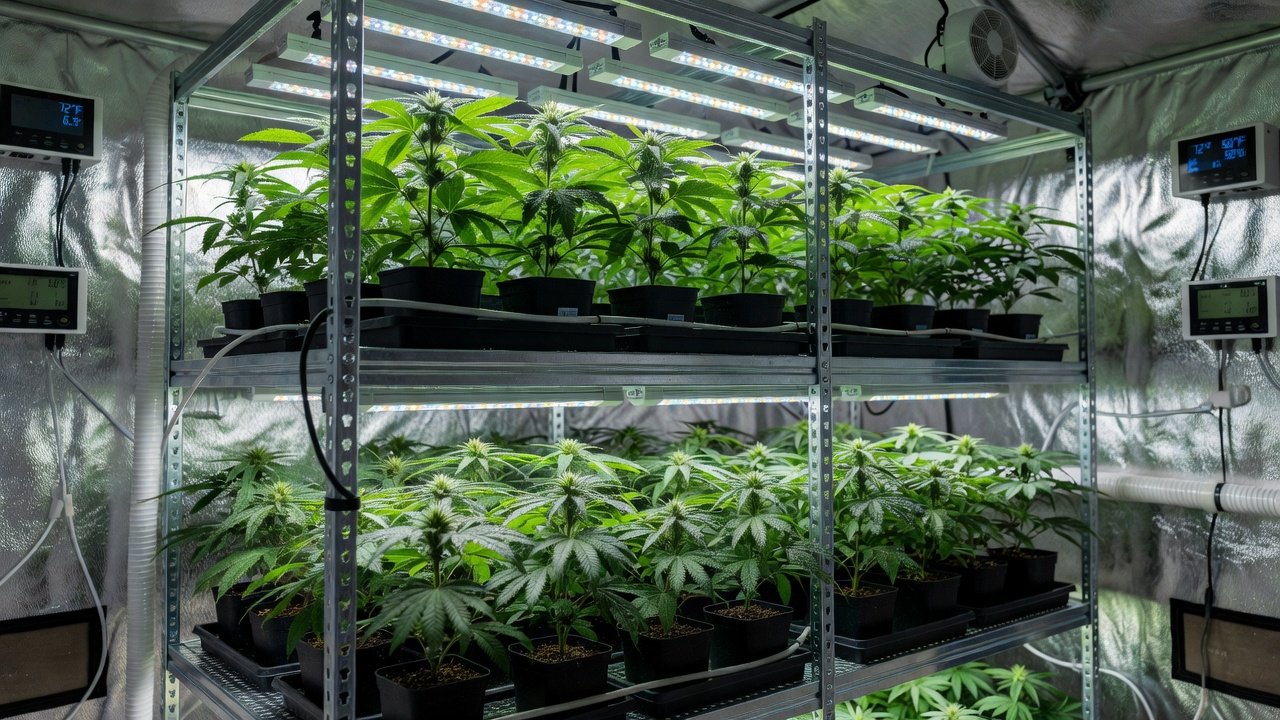
Vertical cannabis growing systems have revolutionized home cultivation by maximizing limited space while boosting efficiency and yields. In 2026, more enthusiasts are turning to these setups to grow more plants without expanding their footprint. This comprehensive guide walks you through every stage, from selecting suitable strains to harvest, with expert tips on light exposure, airflow, and advanced methods tailored for home growers. Vertical systems allow hobbyists in apartments or small homes to produce substantial harvests by stacking plants upward rather than spreading them horizontally, often doubling or tripling output per square foot compared to traditional flat grows.
Choosing the Right Strains for Vertical Setups
Key Factors for Strain Selection
Selecting strains that thrive in vertical environments is crucial for success. Compact, fast-flowering indicas or hybrid varieties with strong lateral branching perform best because they adapt well to tiered lighting and limited vertical height per level. Avoid tall, stretchy sativas that may outgrow your system quickly. Consider factors like yield potential, resistance to mold, and light penetration needs when making your choice. For example, choose varieties with dense bud structures that resist humidity buildup between shelves, and test a small batch first to observe how each strain responds to your specific lighting angles.
Popular Options and Sourcing Tips
Popular options include Blue Dream and Northern Lights for their manageable growth patterns and high resin production. Blue Dream typically yields 400-500 grams per square meter in vertical setups with proper training, while Northern Lights finishes in 7-8 weeks and shows excellent mold resistance. Always source feminized or autoflowering seeds from reputable suppliers to ensure consistency. Research local regulations before starting any grow to stay compliant, and keep detailed notes on germination rates from each seed batch for future reference.
Setting Up Your Vertical Growing System
Assessing Space and Choosing Equipment
Begin by assessing your available space, whether it’s a closet, tent, or dedicated room. Measure ceiling height and floor area precisely, allowing at least 12 inches between tiers for airflow. Vertical systems often use stacked shelves, trellis netting, or rotating towers combined with LED panels positioned at multiple angles. Choose durable materials like PVC frames or commercial grow racks that support hydroponic or soil-based mediums, ensuring each level can hold at least 50 pounds of wet medium weight.
Installation Best Practices
Install proper drainage and irrigation lines to prevent water pooling between tiers. Use drip emitters spaced every 6 inches on upper shelves and gravity-fed collection trays below. Integrate fans and carbon filters early to maintain air quality.
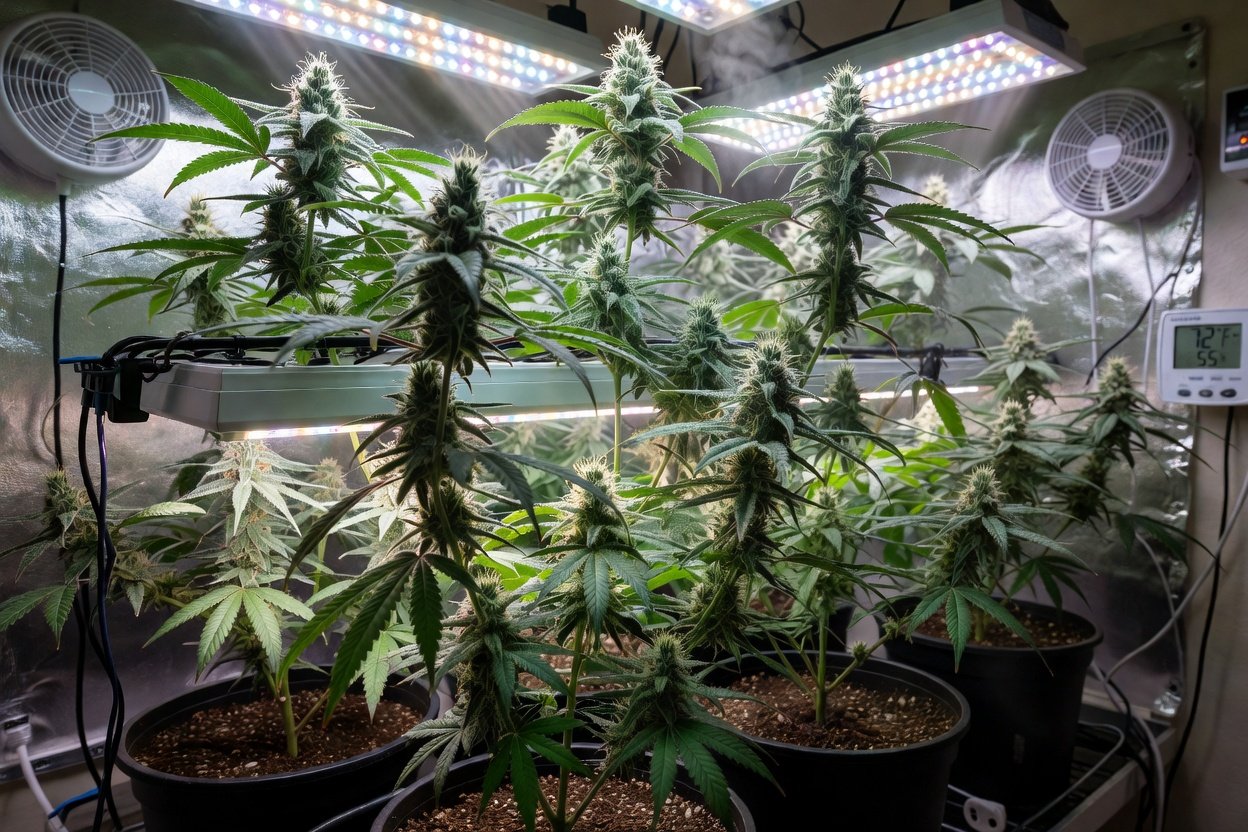
Test the structure for stability before introducing plants to avoid costly collapses later, and add cross-bracing if using more than three tiers.
Seed Germination and Early Growth Stages
Germination Techniques
Germinate seeds using the paper towel method or starter plugs in a warm, dark environment around 70-80°F. Check daily for taproot emergence and move sprouted seeds within 24 hours. Once sprouted, transfer seedlings to your vertical setup under low-intensity lights for the first two weeks. Monitor humidity levels closely at 60-70% to support root development without encouraging mold, using small humidifiers if your room runs dry.
Transplanting and Initial Training
Transplant into final mediums when plants reach 4-6 inches. Prune lower leaves early to promote upward and outward growth suited to vertical configurations. Consistent watering schedules and gentle nutrients help establish healthy foundations for later stages. For instance, water seedlings every other day with a quarter-strength vegetative formula until roots fill the container, then increase strength gradually.
Optimizing Light Exposure and Airflow
Light Distribution Strategies
Light distribution is key in vertical grows since plants on lower tiers can be shaded. Use full-spectrum LEDs with adjustable arms or multiple fixtures per level to ensure even coverage. Rotate plants weekly or employ reflective surfaces to redirect photons effectively. Aim for 18-24 hours of light during vegetative growth and switch to 12/12 for flowering, positioning side lights at 45-degree angles to reach inner branches.
Airflow and Environmental Controls
Airflow prevents stagnant pockets that lead to pests or mildew. Position oscillating fans at different heights and use exhaust systems to cycle fresh air. Maintain temperatures between 68-78°F with CO2 supplementation if possible for enhanced photosynthesis. These optimizations can increase yields by 30% or more compared to traditional horizontal setups, as demonstrated by growers reporting 1.5 pounds from a 4×4-foot vertical tower.
Advanced Techniques for Home Growers
Training Methods
Implement techniques like low-stress training (LST) and sea of green (SOG) adapted for vertical planes to fill canopies densely. Topping combined with scrog netting encourages multiple colas per plant while controlling height. Apply LST by gently bending main stems horizontally across netting at week three of vegetative growth, securing with soft ties every 4 inches.
Monitoring and Experimentation
Monitor EC and pH levels rigorously in recirculating systems to avoid nutrient lockout, keeping EC between 1.2-1.8 mS/cm and pH at 5.8-6.2 for hydroponics. Advanced growers often integrate smart sensors for real-time data on humidity, temperature, and light intensity. Experiment with supplemental UV lighting during late flowering for increased trichome production. Always document your grows to refine methods over successive cycles and achieve consistent results, such as tracking yield per watt across three cycles.
Harvest and Post-Harvest Care
Determining Harvest Timing
Harvest when trichomes turn milky with some amber for peak potency. Use a jeweler’s loupe to inspect buds on all tiers, starting with upper levels that mature first. Cut branches carefully to avoid disturbing neighboring tiers, working from top to bottom.
Drying and Curing Process
Dry in a controlled dark space at 60-70°F and 45-55% humidity for 7-14 days. Hang branches on tiered drying racks with at least 6 inches of space between them. Proper curing in glass jars preserves flavor and aroma for months. Burp jars daily for the first two weeks, then weekly thereafter.
Final Storage Steps
Trim excess leaves before storage and label batches by strain and harvest date. This final stage ensures your efforts translate into high-quality medicine or recreational product ready for use, with properly cured buds retaining potency for up to a year.
Conclusion
Vertical cannabis growing offers home enthusiasts an efficient path to abundant harvests in constrained spaces. By focusing on strain selection, meticulous setup, and ongoing optimization of light and air, growers can achieve professional-level results. Stay informed through resources like USDA guidelines on sustainable agriculture practices and continue experimenting to perfect your system. With dedication, vertical methods deliver impressive efficiency and yields year after year.