
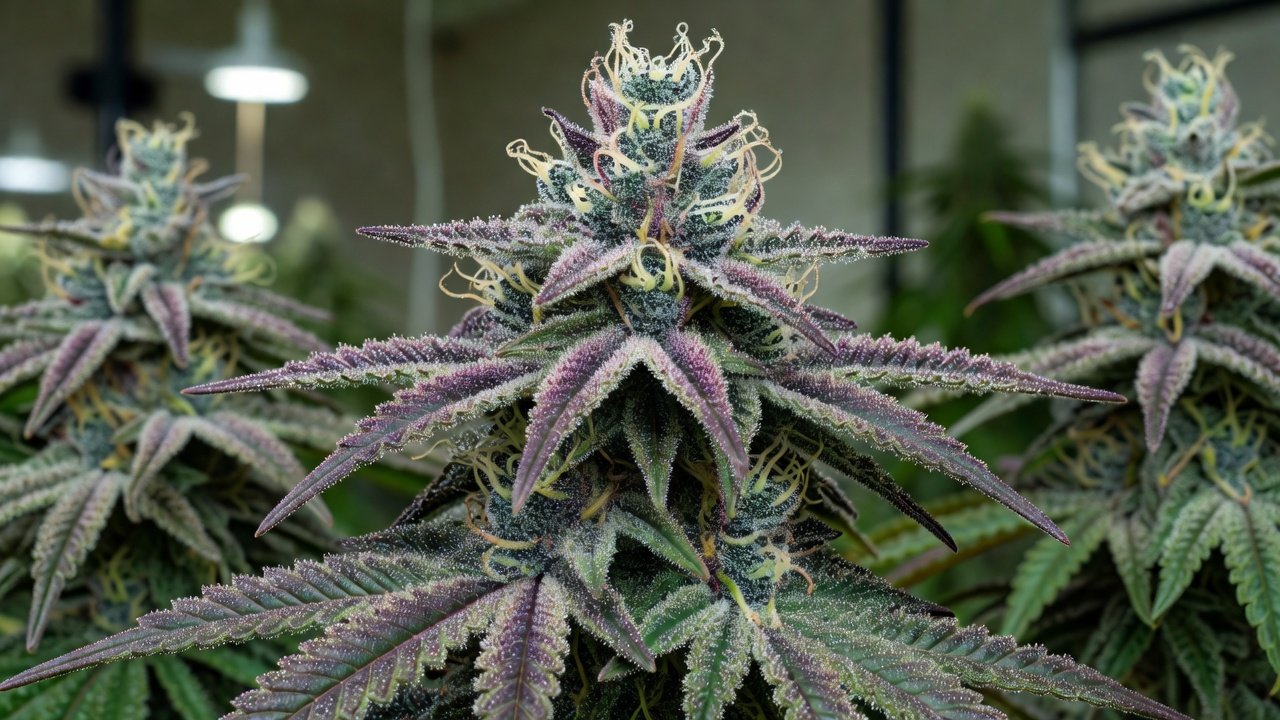
Gorilla Glue, often called GG4, remains one of the most sought-after hybrid strains for its exceptional resin production and balanced effects. In 2026, home growers must focus on sourcing stable versions from trusted seed banks to ensure consistent THC levels above 25 percent and heavy trichome coverage. This guide covers verification methods, phenotype selection, and practical steps to avoid genetic drift while boosting yields. Experienced cultivators know that success begins long before the first seed touches soil, requiring patience and attention to every detail from purchase through harvest.
The Origins and Enduring Appeal of Gorilla Glue
Gorilla Glue #4 emerged from a cross of Chem’s Sister, Sour Dubb, and Chocolate Diesel. Its fame stems from the sticky, glue-like resin that coats buds during flowering. Modern growers value the strain for both recreational potency and potential therapeutic uses such as pain relief and stress reduction. However, market saturation has led to many unstable crosses that fail to deliver the original chemotype. The original breeders stabilized the line through multiple generations of selection focused on resin output and aroma intensity. Today the strain still delivers a potent mix of euphoria and physical relaxation that appeals to both new and veteran users. Growers appreciate how the plants develop dense, resin-heavy colas that glisten under light, making them stand out in any garden.
Understanding the Genetic Background
The three parent strains each contribute distinct traits that combine into GG4’s signature profile. Chem’s Sister provides the heavy resin production and fuel-like aroma, while Sour Dubb adds sour citrus notes and robust growth. Chocolate Diesel brings the chocolate undertones and strong structure. When these lines are properly stabilized, the resulting plants show consistent internode spacing and flower density. Unstable versions often lose these balanced characteristics after just one or two generations of poor reproduction.
Selecting Reputable Seed Banks in 2026
Choosing the right seed bank starts with verifying breeder reputation and transparency. Look for banks that publish third-party lab results for each batch and offer detailed lineage information. Established European and North American banks maintain strict quality controls, reducing the risk of mislabeled or hermaphroditic seeds. Always check recent grower reviews on independent forums before purchasing. A reliable seed bank will list exact germination rates and provide contact information for questions about specific batches.
Key indicators of a trustworthy bank include clear return policies, discreet shipping, and access to original breeder stock. Avoid banks that offer suspiciously low prices or vague descriptions. In 2026, many top banks now provide blockchain-verified certificates of authenticity for Gorilla Glue lines. For example, a grower in Oregon recently shared on a forum how purchasing from a verified source yielded 95 percent germination and uniform seedlings, while a cheaper alternative produced only 60 percent success with noticeable variation in leaf shape.
Evaluating Shipping and Support
Practical experience shows that banks offering tracked, discreet packaging reduce the chance of customs issues. Responsive customer service that answers questions about phenotype expectations within 48 hours is another positive sign. Many growers keep records of their seed purchases, noting batch numbers and results, which helps identify consistent suppliers over multiple seasons.
Verification Techniques for Genetic Stability
Once seeds arrive, perform simple home verification tests. Germinate a small sample batch and observe uniformity in seedling vigor and leaf structure. Stable Gorilla Glue phenotypes typically show broad, dark green leaves and a robust growth pattern within the first two weeks. Use a sterile paper towel method kept at 70–75°F with 80 percent humidity for best results. After seven days, healthy seedlings should display straight stems and symmetrical cotyledons.
During vegetative growth, monitor for any signs of variegation or unusual stretching that may indicate instability. Flowering tests on a few plants allow you to evaluate resin density and bud structure.
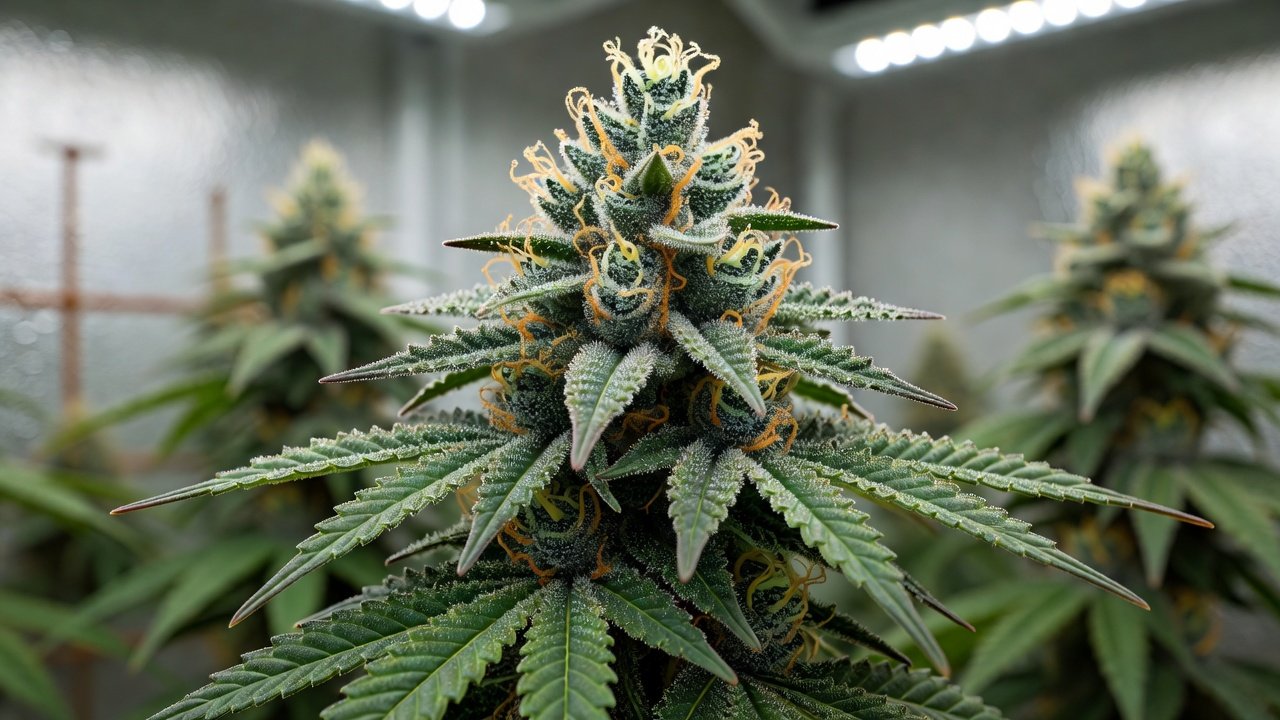
Consistent trichome development and a pronounced fuel-and-chocolate aroma confirm the classic GG4 profile. A practical example involves running three plants from the same batch under identical conditions; if two develop significantly lighter resin coverage, the line may need further stabilization.
Monitoring Environmental Responses
Track how plants react to minor changes in light intensity or nutrient strength. Stable genetics tolerate small fluctuations without showing stress symptoms such as leaf cupping or slowed growth. Recording weekly photos helps compare development across multiple runs and quickly highlights any drift from expected traits.
Phenotype Stability and Breeding Insights
Phenotype stability depends on the number of backcrosses performed by the breeder. Seek F4 or higher generations for reduced variation. Unstable lines often produce plants with lower resin output or inconsistent potency. Reputable breeders document their stabilization process, including selection criteria for dominant traits such as internode spacing and flower density.
- Track mother plants that exhibit the strongest resin production by labeling clones and measuring trichome density at week six of flower.
- Clone and flower multiple phenotypes to identify the most reliable performers, discarding any that show hermaphroditic tendencies under stress.
- Avoid crossing with unrelated strains unless you have advanced breeding experience, as this can dilute the original chemotype.
- Document internode length and bud density on each selected plant to build a reliable reference for future selections.
These steps help maintain the original chemotype that made Gorilla Glue famous. Many home growers maintain a mother plant journal that records every observation from seed to harvest, allowing them to repeat successful phenotypes year after year.
Maximizing Yields While Avoiding Genetic Drift
Genetic drift occurs when seed lines are repeatedly reproduced without careful selection, leading to diminished potency and resin. To counteract this, purchase fresh stock every few seasons from the original breeder line. Use organic soil or coco coir with balanced nutrients to support the strain’s heavy feeding needs during mid-flower. A typical schedule includes higher nitrogen in vegetative stage followed by a 1-3-2 NPK ratio once flowering begins.
Training techniques such as low-stress training and SCROG methods help maximize light penetration and bud sites. Expect indoor yields of 500–600 grams per square meter under optimal LED lighting. Outdoor growers in temperate climates should harvest in early October to preserve terpene profiles. One grower reported a 15 percent yield increase after switching to a SCROG net at week four of vegetative growth, allowing even canopy development and better light distribution to lower branches.
Nutrient and Training Adjustments
Start training early by gently bending stems at the fourth node. In coco coir, maintain pH between 5.8 and 6.2 and flush thoroughly every two weeks to prevent salt buildup. These concrete steps reduce the risk of nutrient lockout while supporting the heavy resin production GG4 is known for.
Practical Tips for Home Growers in 2026
Start with small test grows to evaluate new seed batches before committing larger spaces. Record environmental data including temperature, humidity, and nutrient schedules to replicate successful runs. Join local grower networks to share phenotype observations specific to your region. A simple spreadsheet tracking daily conditions can reveal patterns that improve consistency across multiple harvests.
Store seeds in cool, dark conditions with silica packs to maintain viability for future seasons. By combining careful sourcing, verification, and cultivation practices, growers can reliably enjoy Gorilla Glue’s signature potency and resin production year after year. Many cultivators also keep backup clones of proven mothers in case seed stock becomes unavailable.
For additional scientific context on cannabis genetics and stability, refer to resources from nih.gov and cdc.gov.