
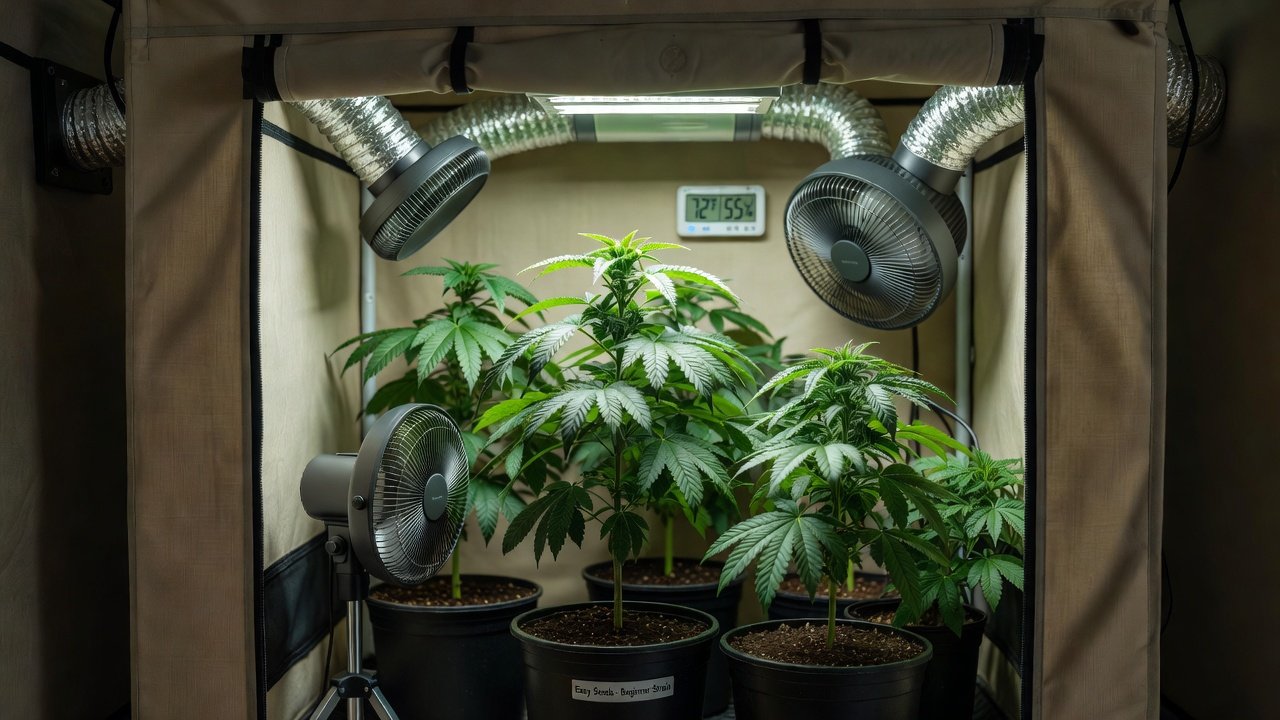
Starting your first indoor cannabis grow with easy seeds can be exciting yet challenging, especially when it comes to maintaining the right environment. Proper airflow stands out as one of the most critical factors for success. Without it, plants struggle to thrive, and issues like mold quickly appear. This guide walks beginners through fan setups, exhaust systems, and humidity monitoring using simple, affordable tools tailored for 2026 home growers. For example, a 2×2 foot tent grower in a city apartment might spend under $150 on basic equipment to achieve reliable results.
Why Airflow Matters for Cannabis Plants
Cannabis plants rely on fresh air to exchange gases during photosynthesis and respiration. Stagnant air traps excess moisture around leaves and buds, creating ideal conditions for mold and mildew. For beginners using easy cannabis seeds, which often produce resilient but still sensitive plants, good airflow strengthens stems and prevents weak growth. In 2026, with many new growers entering the hobby, understanding this basic principle helps avoid common pitfalls that ruin early harvests. Consider a practical case: a beginner starting with three autoflower plants from easy seeds noticed yellowing leaves after two weeks due to poor circulation; adding a small fan resolved it within days.
Indoor environments differ greatly from outdoor ones where natural breezes circulate air. Without intervention, humidity builds up from plant transpiration and watering. This leads to diseases that easy seeds cannot fully resist. Consistent airflow also helps regulate temperature, keeping the grow space between 70-80°F during the day. Many first-time cultivators overlook this until problems arise, resulting in lost time and plants. A concrete tip is to aim for at least six air exchanges per hour in your space, which can be calculated by dividing your tent volume by the fan’s CFM rating.
Choosing the Right Fans for Beginners
Selecting fans starts with assessing your grow space size. A small tent or closet needs at least one oscillating fan to gently move air across the canopy. Look for quiet models rated for continuous use, as noisy fans disrupt home life. Clip-on fans work well for beginners because they adjust easily without permanent installation. For a 3×3 tent, a 6-inch oscillating fan delivering 200 CFM provides sufficient coverage without overwhelming the plants.
Position fans to create a gentle breeze rather than a direct blast on plants. Aim airflow upward or sideways to avoid stressing stems. In 2026, affordable smart fans with timers help automate routines. Combine an intake fan pulling fresh air from outside the tent with an exhaust fan pushing stale air out. This setup mimics natural conditions and supports healthy root zones too. One grower example involved placing a clip-on fan at mid-canopy height angled at 45 degrees, which strengthened stems noticeably within a week and reduced pest issues.
Setting Up Exhaust Systems Step by Step
Begin by measuring your grow area and selecting an exhaust fan sized appropriately, typically 4-6 inches for beginner tents. Install a carbon filter on the exhaust to control odors, a must for discreet home growing. Mount the fan at the top of the space where warm air rises naturally. For a standard 4×4 tent, a 6-inch inline fan rated at 400 CFM paired with a matching carbon filter ensures effective odor control and air turnover.
Connect ducting to vent air outside or into another room. Test the system by ensuring negative pressure, where the tent walls slightly suck inward. Run the exhaust continuously during lights-on hours and reduce speed at night. This prevents heat buildup while maintaining fresh air exchange. Simple inline fans with speed controllers keep costs low for new growers. A real-world example: a first-time grower used flexible aluminum ducting to route exhaust through a window vent, achieving stable temperatures and no complaints from neighbors about smells.
Humidity Monitoring Made Simple
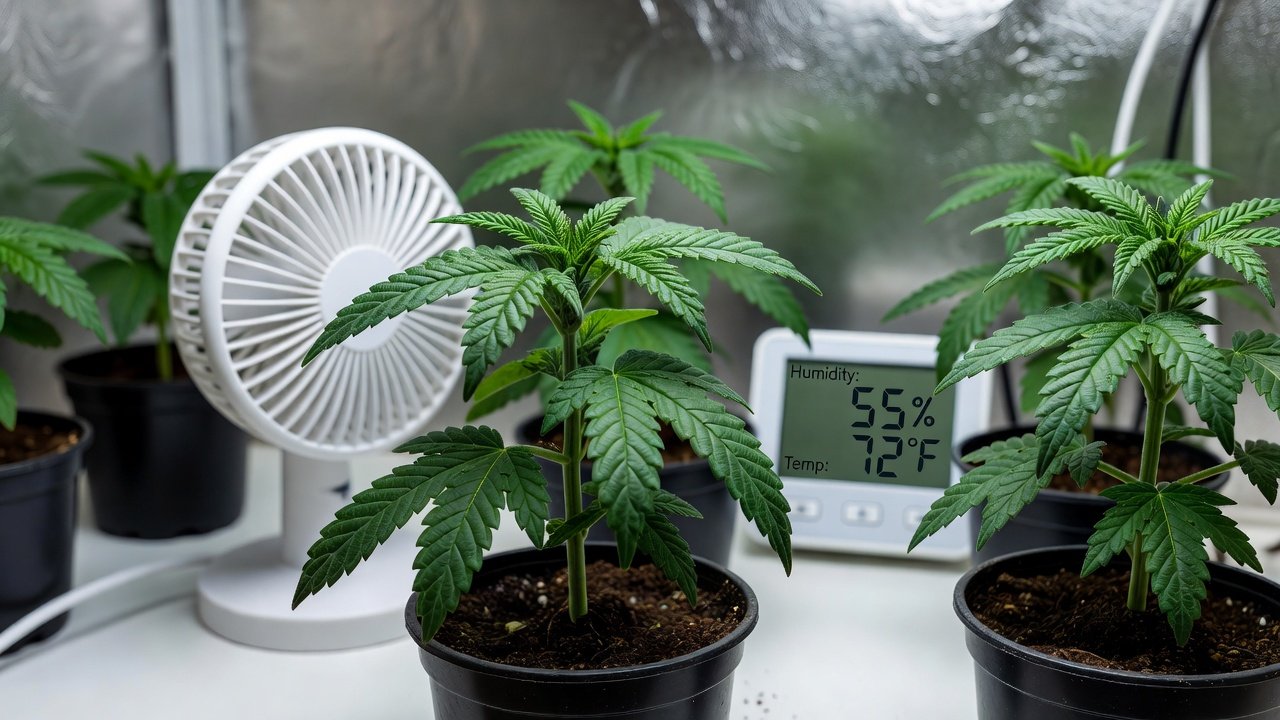
Humidity directly affects airflow effectiveness. Use a digital hygrometer placed at canopy level to track levels between 40-60% during vegetative growth. Easy cannabis seeds benefit from slightly higher humidity early on but require drops to 30-50% in flowering to avoid bud rot. Beginners should calibrate their hygrometer monthly using a salt test method for accuracy.
Check readings twice daily and adjust with a small dehumidifier if needed. Pair this with your fan system to circulate drier air evenly. In 2026, app-connected monitors send alerts to your phone, making it easier for busy beginners to stay on top of conditions without constant checks. For instance, one grower set alerts at 55% humidity, allowing quick fan speed increases that prevented early mold on lower buds.
Daily Routines to Prevent Mold and Boost Health
Establish a morning routine of inspecting plants for early mold signs while adjusting fans. Wipe down surfaces weekly to reduce spores. Water plants at the base and allow soil to dry slightly between sessions, as excess moisture in air worsens issues. These steps become second nature after the first month.
- Turn on fans 30 minutes before lights activate.
- Monitor humidity and tweak exhaust speed accordingly.
- Rotate plants gently to ensure even exposure to moving air.
- Clean fan blades monthly to maintain efficiency.
These habits promote robust plants and higher yields. Over time, you will notice stronger stems and fewer pest problems thanks to improved circulation. Adding a weekly leaf inspection under bright light helps catch issues early, such as powdery mildew spots that airflow alone might not prevent.
Common Mistakes and How to Avoid Them
Many beginners run fans too powerfully, causing wind burn on leaves. Start at low speeds and observe plant response. Another error involves ignoring nighttime humidity spikes when temperatures drop. Use a timer to keep minimal airflow going overnight. Skipping filter maintenance leads to poor exhaust performance and odors. Replace carbon filters every 6-12 months depending on usage. By addressing these early, first-time growers protect their investment in easy seeds and enjoy healthier crops throughout 2026. A practical fix for wind burn is raising fan height by six inches and lowering speed to 30% until leaves stop curling.
Conclusion
Mastering airflow transforms beginner cannabis grows from stressful to rewarding. With basic fans, a simple exhaust setup, and regular humidity checks, you create an environment where easy seeds flourish. Follow these steps consistently to prevent mold and support vibrant plant health in your indoor space this year and beyond. For more on indoor air quality basics, visit the EPA or learn mold prevention from the CDC.