
Introduction to Drying and Curing Outdoor Cannabis
Successful outdoor cannabis growing demands attention long after harvest. Proper drying and curing preserve the cannabinoids, terpenes, and overall quality that make premium outdoor seeds worth the investment. In 2026, growers using guerrilla growing techniques face unique challenges including variable weather, limited access to equipment, and the need for discreet methods. This guide covers proven step-by-step approaches tailored for home growers and enthusiasts seeking top results from their outdoor harvests. Without careful post-harvest handling, even the best outdoor cannabis growing efforts can result in harsh smoke, lost potency, or moldy buds that must be discarded. Practical examples show that dedicating extra time to these stages often doubles the perceived value of a harvest from remote sites.
Timing Your Harvest for Maximum Quality
Harvesting at peak ripeness sets the foundation for effective drying and curing. Monitor trichomes with a jeweler’s loupe or digital microscope, aiming for 70-90% cloudy with 10-30% amber for balanced effects. Outdoor cannabis growing in 2026 benefits from tracking local weather apps to avoid rain that can introduce mold during the final weeks. Guerrilla growing often requires early morning harvests to minimize detection and heat stress on plants. Flush plants with plain water two weeks prior if using nutrients. Cut branches in sections for easier transport from remote sites. This timing prevents over-ripening that degrades potency during the subsequent drying phase. For example, a grower monitoring a hillside plot might check trichomes every two days and harvest just before a forecasted storm, cutting only lower branches first to test transport routes.
Proper Drying Techniques for Guerrilla Grows
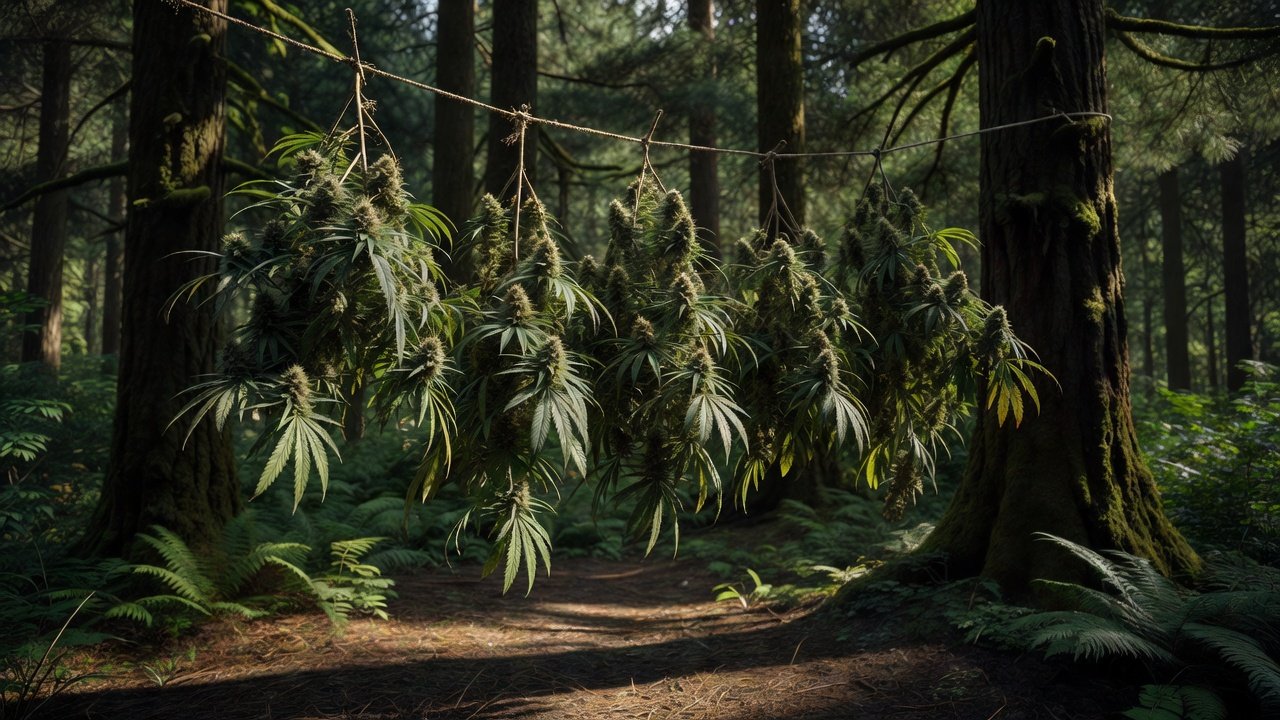
Drying removes moisture slowly to avoid harsh flavors while protecting delicate compounds. Hang branches upside down in a dark, ventilated space with temperatures between 60-70°F and humidity at 45-55%. For guerrilla growing setups, create portable drying tents using breathable fabric and battery fans when returning to remote plots proves difficult. Trim large fan leaves immediately but leave sugar leaves for protection during initial drying. Expect 5-10 days for stems to snap cleanly.
Rotate branches daily for even airflow. Never rush this stage with heat sources, as it destroys terpenes essential for aroma. Concrete guidance includes spacing branches 6-8 inches apart on lines and using small solar-powered fans to maintain gentle circulation without direct wind on buds.
Daily Monitoring During Drying
Check buds each evening by gently bending stems; they should bend slightly before snapping. In humid regions, extend drying to 10-12 days by increasing airflow gradually rather than lowering humidity abruptly. A practical example is a grower who places branches in a shaded ravine tent and rotates them clockwise each morning to ensure uniform exposure.
Controlling Humidity and Environment
Humidity control is critical in outdoor cannabis growing to prevent mold and bud rot. Use digital hygrometers placed at multiple points in the drying area. In humid climates, incorporate desiccants or small dehumidifiers powered by solar options suitable for guerrilla sites. Aim for consistent 50% relative humidity during the first week, then gradually lower it. Monitor for signs of over-drying such as brittle stems or under-drying indicated by spongy buds. Adjust ventilation accordingly. 2026 practices include affordable Bluetooth sensors that alert growers via apps even from distant locations. Place one sensor near the floor and another at branch height to catch microclimates that could trap moisture.
Adjusting for Weather Shifts
When unexpected rain raises ambient humidity, add extra desiccant packs and increase fan speed for short bursts. Test a single branch first to confirm the environment stays within range before committing the full harvest.
The Curing Process Step by Step
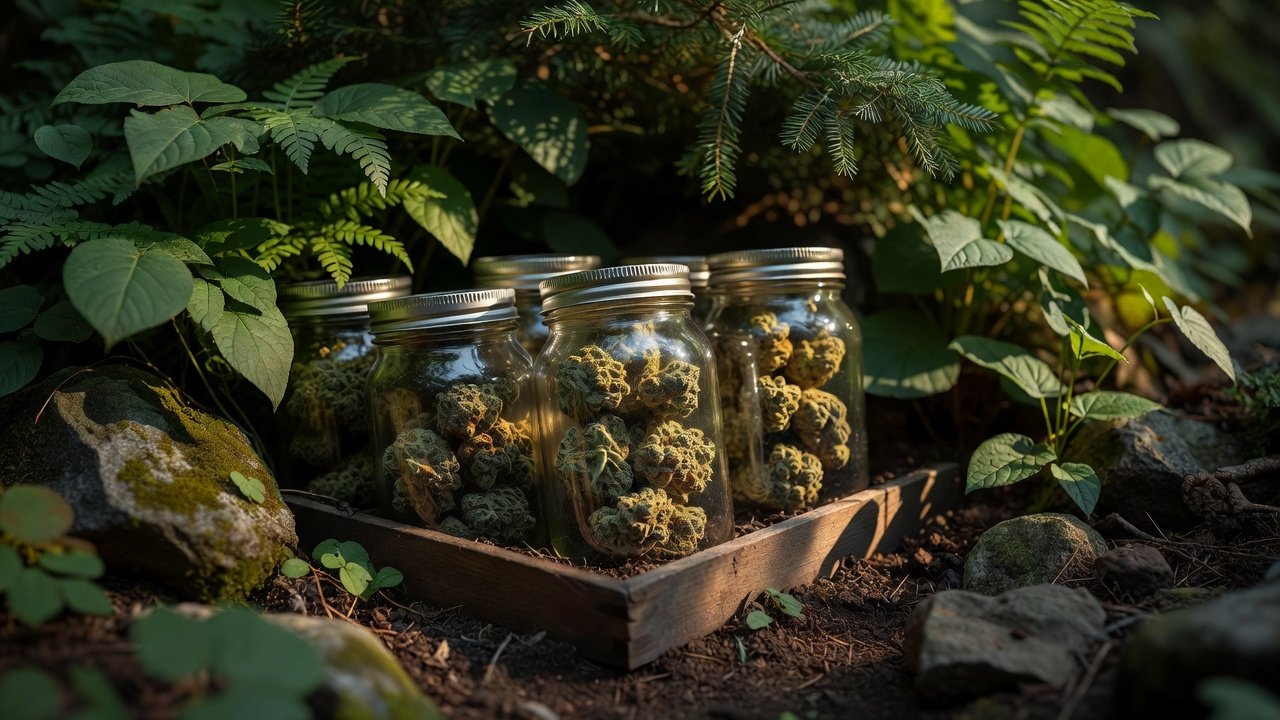
Curing develops flavor and smoothness through controlled anaerobic conditions. Place dried buds in glass jars filled two-thirds full, burping daily for the first two weeks. Store at 60-65°F with 58-62% humidity using humidity packs for precision. This method locks in potency from high-quality outdoor seeds. Continue burping every few days for weeks 3-4, then monthly thereafter. Minimum cure time is 4-6 weeks, though many report superior results at 8-12 weeks. Learn more about cannabinoid preservation from NCBI resources. Avoid plastic containers that can impart off-flavors. A step-by-step routine might involve opening jars for five minutes each morning while gently shaking them to release trapped moisture evenly.
Burping Schedule Details
- Week 1-2: Burp once daily for 10-15 minutes.
- Week 3-4: Burp every third day.
- Month 2 onward: Burp monthly and inspect for off odors.
Replace humidity packs every 30 days to maintain stable conditions inside each jar.
Storage Solutions for Remote Outdoor Sites
Guerrilla growing requires secure, climate-stable storage away from the main grow area. Vacuum-seal portions in Mylar bags inside waterproof caches buried or hidden in shaded spots. Use food-grade silica packs to maintain low humidity. Check caches monthly to ensure seals remain intact against wildlife and moisture. For home transfer, divide into small batches to minimize exposure. 2026 growers favor UV-protected containers that block light degradation. Proper storage maintains the premium qualities developed during outdoor cannabis growing seasons. Label each cache with dates and strain notes using waterproof tags so future visits remain efficient and discreet.
Common Pitfalls and How to Avoid Them
Many beginners ruin harvests by drying too quickly or curing in overly humid conditions leading to mildew. Always prioritize slow, dark environments. Another frequent error in guerrilla growing is inadequate flushing, resulting in harsh smoke post-cure. Test small samples before committing entire crops. Over-handling buds during curing releases trichomes and reduces potency. Use gloves and minimal disturbance. Stay informed on evolving best practices through authoritative sources like WHO cannabis information to refine techniques yearly. A useful habit is keeping a simple log noting daily humidity readings and any adjustments made, allowing growers to spot patterns and prevent repeat mistakes across seasons.
Conclusion
Drying and curing represent the final critical steps that transform outdoor harvests into premium products. By following these 2026 methods tailored for outdoor cannabis growing and guerrilla growing, seed buyers and enthusiasts can consistently achieve exceptional flavor, aroma, and potency. Attention to detail in humidity, timing, and storage ensures every harvest reaches its full potential. With consistent application of these expanded practices, even remote outdoor cannabis growing operations can yield results comparable to controlled indoor grows.