
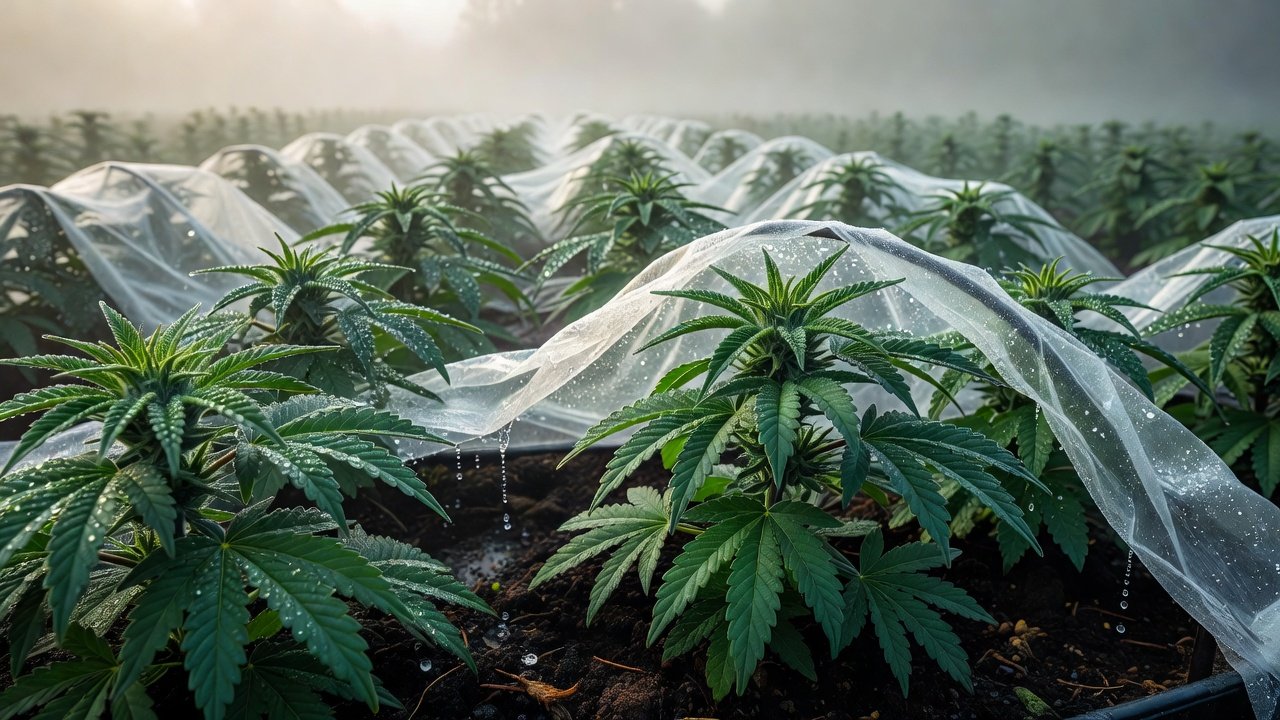
Growing autoflowers successfully in cooler regions requires adapting to shorter growing seasons and lower temperatures. In 2026, home growers can achieve impressive results by selecting cold-tolerant strains and implementing targeted environmental adjustments. This guide explores proven methods for thriving autoflowers even when conditions are less than ideal. Cooler climates such as those found in northern United States, Canada, and parts of northern Europe present unique hurdles including reduced daylight hours, soil that stays below optimal temperatures for weeks, and sudden temperature swings that can stunt growth or invite disease. By focusing on strain genetics, soil management, light optimization, and protective strategies, cultivators can still harvest potent buds within the compressed timeline that autoflowers demand.
Selecting Resilient Autoflower Strains for Cold Climates
Strain selection forms the foundation of success in cool areas. Opt for ruderalis-dominant autoflowers bred for northern latitudes, such as those with genetics from Russian or Canadian landraces. These varieties often finish in 8-10 weeks and tolerate temperatures down to 50°F (10°C) better than sativa-heavy types. Research breeders offering tested cold-hardy options to ensure reliable germination and flowering under stress. For example, a grower in Minnesota might choose strains like Auto Ak or Canadian Kush Auto because their short life cycles align with the brief frost-free period from late May to early September.
Consider factors like mold resistance and compact growth, which help in humid, chilly environments. Popular choices include Northern Lights Auto and Quick One, known for their robustness. Always source from reputable suppliers providing germination guarantees and lab-tested seeds for 2026 plantings. When evaluating options, check for documented performance in USDA hardiness zones 4 through 6 and request data on average yields under 55°F nighttime conditions. Starting with three or four different cold-tolerant cultivars allows side-by-side comparison in your specific microclimate before committing to larger plantings.
Soil Warming Techniques for Strong Root Systems
Cool soil slows root development in autoflowers, so warming the medium is essential. Use black plastic mulch or raised beds with heating mats set to 68-72°F (20-22°C) during early growth. Incorporating compost or worm castings adds organic heat through microbial activity while improving drainage. In practice, a grower in Vermont places seedlings into 5-gallon fabric pots filled with a 50/50 mix of high-quality potting soil and aged compost, then sets the pots on waterproof heating mats controlled by a simple thermostat. Within ten days, root mass increases noticeably compared with unheated controls.
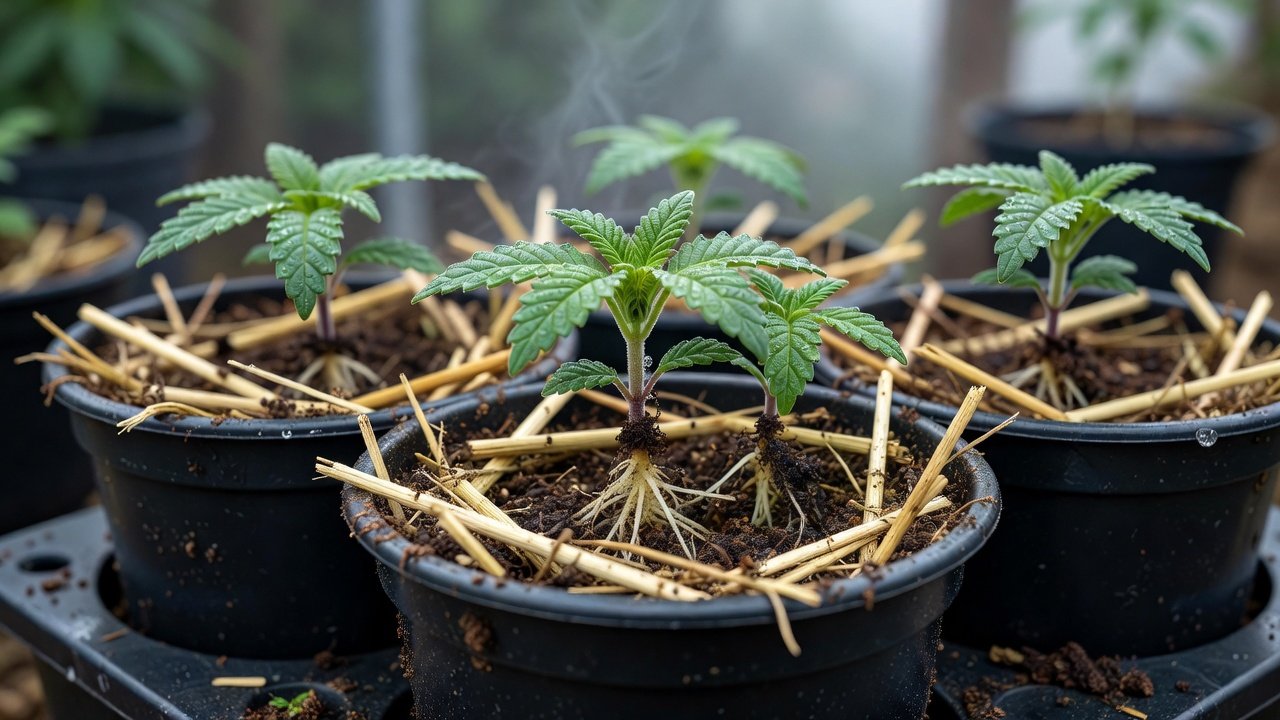
Monitor soil temperature with affordable probes and adjust covers accordingly. In very cold zones, indoor starting followed by gradual outdoor transition prevents shock. These steps accelerate vegetative growth and support higher yields despite ambient lows. Additional techniques include painting plastic pots black to absorb solar radiation and placing them against south-facing walls that radiate warmth after sunset. Layering 2 inches of straw mulch around each base further insulates roots during cool nights without trapping excess moisture that could lead to rot.
- Apply dark-colored pots to absorb sunlight naturally.
- Layer straw mulch around bases for insulation.
- Test soil pH regularly, aiming for 6.0-6.5 to optimize nutrient uptake in cooler conditions.
Optimizing Light for Shorter Days
Autoflowers flower independently of photoperiod, yet cool regions often mean reduced light intensity. Position plants to receive maximum southern exposure or supplement with full-spectrum LEDs during cloudy periods. Aim for 18-20 hours of light daily in the first four weeks to boost biomass before cooler nights set in. A practical example involves mounting two 100-watt LED panels on adjustable stands that can be raised as plants grow, ensuring even coverage without burning foliage.
Reflective surfaces around grow areas maximize available photons. In 2026, energy-efficient grow lights with timers help maintain consistency without excessive costs. This approach compensates for shorter natural daylight while preventing leggy growth common in low-light stress. Mylar sheeting or white-painted plywood placed behind containers can reflect an additional 30 percent of light back onto lower leaves, improving overall photosynthesis rates during overcast stretches common in coastal Pacific Northwest summers.
Protective Measures Against Frost and Wind
Unexpected frosts pose major risks to outdoor autoflowers. Deploy row covers, cloches, or mini-greenhouses rated for 30-40°F nights. Windbreaks made from burlap or temporary fencing reduce chill factors that dehydrate leaves. One Pacific Northwest cultivator uses lightweight floating row covers supported by hoops that can be quickly deployed when forecasts predict overnight lows near 35°F, removing them each morning to avoid overheating once the sun rises.
Water plants early in the day so foliage dries before evening temperature drops. For extreme forecasts, move containers indoors overnight. These layered protections extend the viable growing window significantly in marginal climates. Portable cold frames built from old windows and scrap lumber offer another low-cost solution that allows plants to remain outside even when ambient temperatures dip below freezing for a few hours.
Pest and Disease Management Tailored to Low Temperatures
Cooler weather can suppress some pests but encourage fungal issues like powdery mildew. Practice strict hygiene by removing debris and spacing plants for airflow. Neem oil applications at dusk work well when temperatures stay above 50°F. A weekly scouting routine that includes checking leaf undersides for spider mites or early mildew spots allows intervention before problems spread.
Introduce beneficial insects such as predatory mites suited to cooler ranges. Regular scouting catches problems early, allowing organic interventions before outbreaks. Integrated management keeps plants healthy without chemical residues. In addition, maintaining at least 18 inches between plants and pruning lower leaves that touch the ground improves air circulation and reduces humidity pockets where mildew thrives.
Practical Advice for Buying Autoflower Seeds
When purchasing seeds, prioritize vendors with detailed climate-specific recommendations and customer reviews from similar zones. Look for 2026 harvest data on germination rates above 90% and resilience claims backed by genetics. Start small with trial packs to test performance in your microclimate. Reading recent grower forums for zone-specific feedback helps identify which seed banks consistently ship viable stock that performs well under cool conditions.
Store seeds cool and dark until planting. Reputable sources often provide growing guides tailored to northern growers, helping avoid common pitfalls in challenging conditions. For more on agricultural best practices, consult resources from usda.gov on climate-adapted crops.
Combining these techniques empowers growers to produce quality autoflower harvests in cooler regions throughout 2026. Consistent monitoring and timely adjustments turn potential limitations into manageable variables for rewarding results. By documenting daily temperatures, light hours, and plant responses, each season becomes a learning opportunity that refines future success rates.