
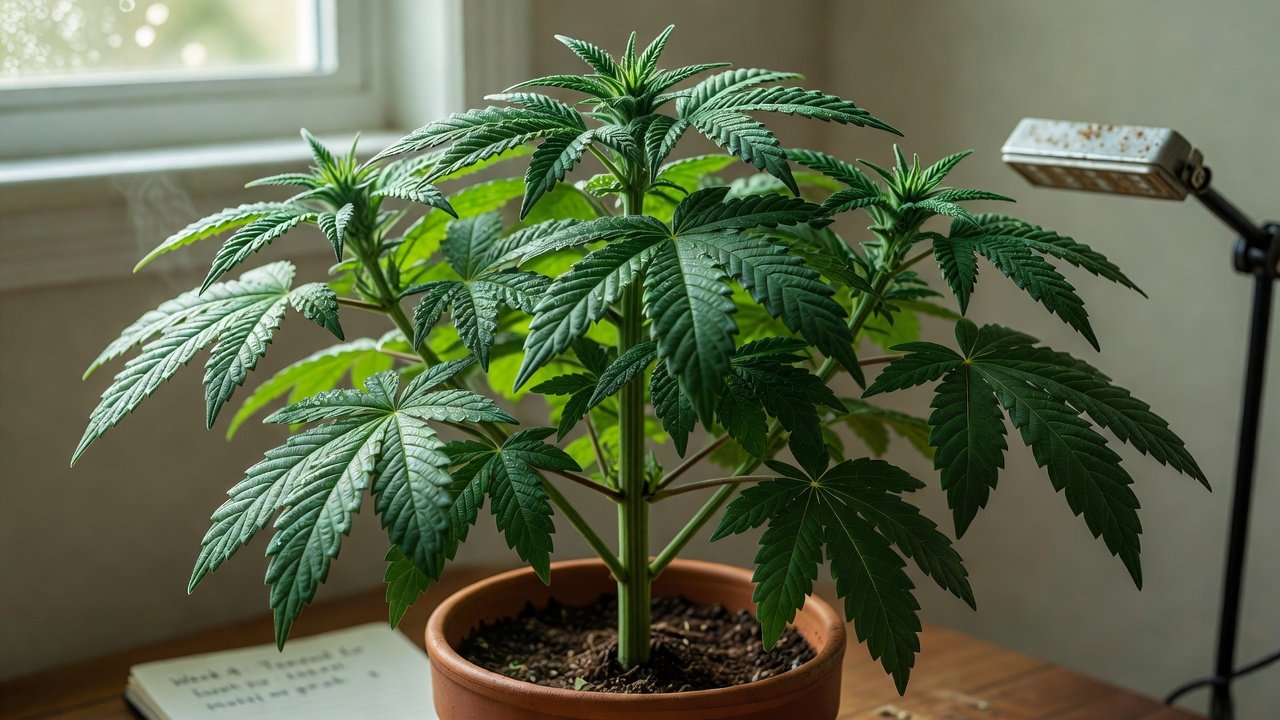
Cloning cannabis offers first-time growers an affordable way to replicate successful plants without buying new seeds every cycle. Starting with easy cannabis seeds means you can quickly identify strong genetics and multiply them using basic household items like glasses, paper towels, and scissors. This beginner-friendly guide walks through the entire process in 2026, focusing on practical steps that fit small home grows. By following proven methods, new cultivators can turn a single strong plant into a steady supply of identical offspring, saving time and money while building confidence in their skills.
Why Cloning Saves Money and Ensures Consistency
Buying premium seeds repeatedly adds up fast, especially for enthusiasts experimenting with multiple strains. Cloning lets you take cuttings from a proven mother plant, producing genetically identical offspring that flower at the same time and yield similar results. For beginners, this reduces risk since you work with known performers rather than gambling on new seed packs. Over several harvests, the savings become significant while maintaining quality. For example, a pack of ten easy seeds might cost $60–$80, but cloning from one successful plant can produce dozens of clones over months without additional purchases.
Cloning also speeds up future grows because you skip the seedling stage. Plants from cuttings root and vegetate faster than those started from seed, shortening the overall timeline from start to harvest. A typical seed-grown plant needs 2–3 weeks in the seedling phase before entering vegetation, whereas clones often root in 7–14 days and move straight into active growth. This consistency helps home growers plan harvests more accurately, especially in small spaces like closets or balconies where timing matters.
Long-term Benefits for Home Cultivators
Many beginners notice that cloned plants maintain the same aroma, potency, and bud structure as the mother. This predictability is valuable when growing for personal use or sharing with friends. Over time, tracking which clones perform best in your specific environment allows refinement of techniques without starting from scratch each cycle.
Selecting a Healthy Mother Plant from Easy Seeds
Begin by growing a few plants from beginner-friendly, resilient cannabis seeds known for high germination rates and sturdy growth. Choose mothers that show vigorous branching, dark green leaves, and resistance to common issues like pests or nutrient burn. Avoid any plants showing stress, yellowing, or weak stems during the vegetative phase. Practical examples include starting with strains labeled as “beginner” or “forgiving,” such as those with indica dominance that tolerate minor watering mistakes.
Monitor your candidates for at least four to six weeks. The ideal mother should be at least eight weeks old with multiple nodes ready for cuttings. Strong root systems and consistent growth patterns indicate good cloning potential. Document which plants perform best so you can repeat success in future cycles. Keep a simple notebook noting daily observations like leaf color, height increase, and any signs of pests.
Evaluating Candidates with Clear Criteria
- Check for at least four healthy nodes and no signs of yellowing on lower leaves.
- Ensure the plant has not been exposed to flowering light schedules yet.
- Test soil moisture consistency to confirm the candidate handles routine care well.
Essential Tools and Household Rooting Setup
You do not need expensive equipment. Gather sharp scissors or a razor blade, a clean glass or jar, pH-balanced water, optional rooting hormone from a garden store, and paper towels. A small humidity dome can be improvised with a plastic bag or container lid. Keep everything sanitized to prevent infection. For instance, wipe blades with 70% isopropyl alcohol before each cut and use filtered or distilled water adjusted to 6.0–6.5 pH.
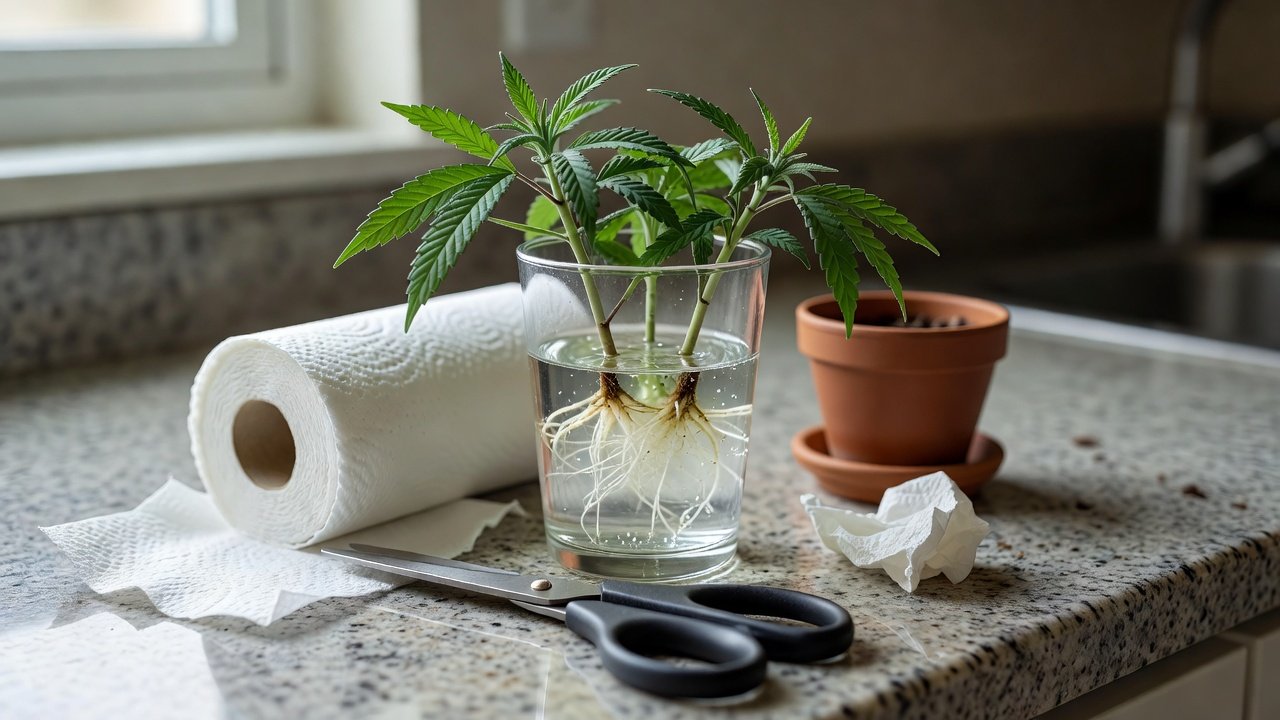
For the rooting medium, many beginners use plain water in a clear glass placed on a windowsill. Change the water every two days to maintain oxygen levels. Some prefer damp paper towels inside a zip bag for a soil-free start that transitions easily to small pots later. A practical example is placing three cuttings in separate glasses labeled with tape so you can compare rooting speed under identical conditions.
Step-by-Step Guide to Taking Cuttings
Work during the vegetative stage when the mother plant has plenty of new growth. Select a branch with at least two nodes and make a clean 45-degree cut just below a node. Remove lower leaves to reduce transpiration, leaving only the top fan leaves. Place the cutting immediately into water to avoid air bubbles blocking the stem. Repeat the process for several cuttings but never take more than 20–30% of the mother plant at once. This preserves her health for ongoing production. Label each cutting with the date and strain name using tape or markers.
Practical Tips During the Cutting Process
- Sanitize all tools and your workspace before starting.
- Choose branches that are firm but flexible, avoiding woody stems.
- Work quickly to minimize air exposure on the fresh cut.
- Place cuttings in water within seconds of removal.
Rooting Success Tips and Timing
Roots typically appear within 7–14 days under stable conditions of 70–75°F and moderate humidity. Keep cuttings in indirect light initially, then gradually increase exposure. Mist leaves daily and ensure the water stays fresh. Once roots reach one inch long, transplant into small pots with light soil or coco coir. A concrete example is using a windowsill with morning light only for the first week, then moving to brighter indirect light as new growth appears.
Monitor for signs of success such as new leaf growth and upright posture. If cuttings wilt, increase humidity or check water quality. Beginners often succeed best with indica-dominant easy seeds that root faster than some sativa varieties. Track daily temperature and humidity readings to spot patterns that improve success rates over multiple attempts.
Common Mistakes and How to Avoid Them
Over-handling cuttings or using dull blades introduces bacteria. Always sterilize tools with alcohol. Taking cuttings from flowering plants or stressed mothers leads to poor results, so stick to healthy vegetative growth. Inconsistent temperatures or dirty water cause rot, so maintain a clean, stable environment. Another frequent error is letting leaves touch the water surface, which can lead to mold; trim excess foliage carefully instead.
Finally, track your success rate in a simple notebook. Adjust techniques based on what works with your specific seeds and home conditions. For example, if one batch roots slowly, note the room temperature and try a slightly warmer spot next time.
Conclusion
Cloning transforms beginner cannabis cultivation by turning one successful seed grow into many consistent harvests using everyday items. With careful mother selection, clean technique, and patience during rooting, home growers achieve reliable results while cutting long-term costs. Practice on a few easy strains first to build confidence before scaling up. Over successive cycles, these skills compound, turning initial experiments into efficient, repeatable routines tailored to your space and goals.