
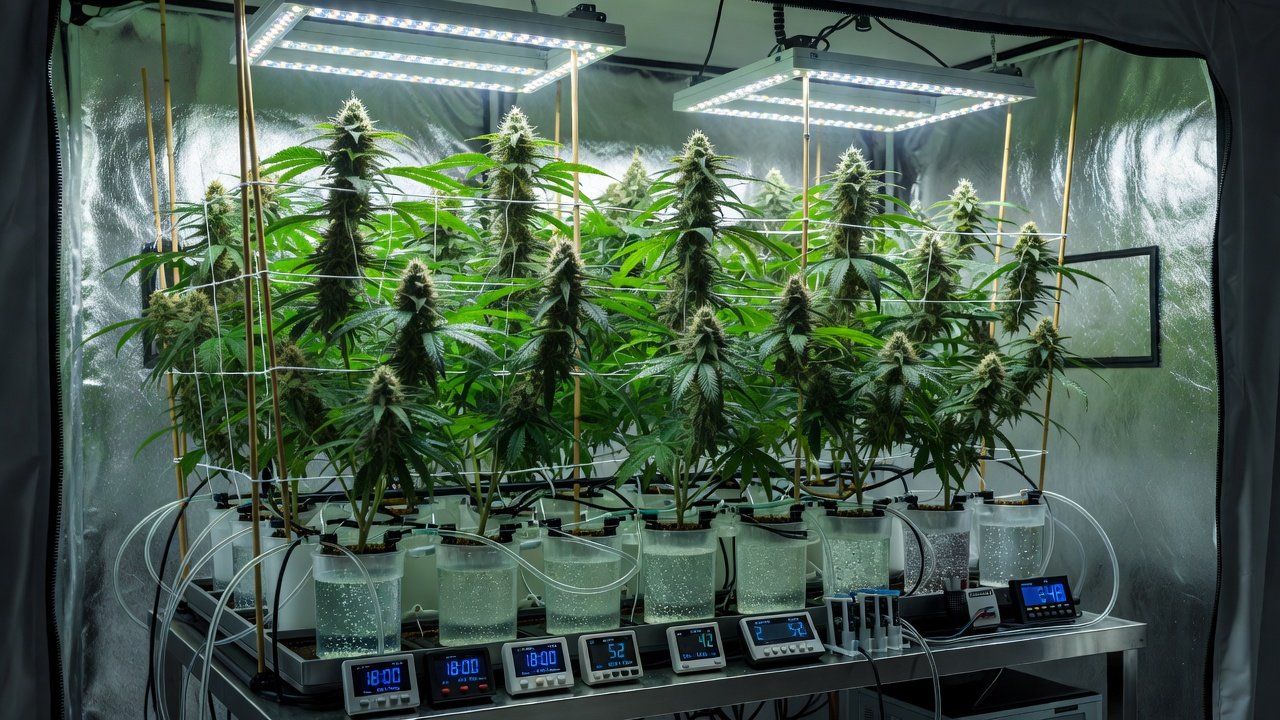
Introduction: Elevating Your Indoor Cannabis Setup in 2026
Indoor cannabis cultivation continues to advance rapidly, with hydroponic systems paired with high-efficiency grow lights becoming standard for home growers seeking maximum yields from quality indoor seeds. In grow tents, the right accessories transform basic setups into precise, productive environments. Tools like automated timers, digital meters, and plant supports complement lighting and nutrient delivery by optimizing every growth stage. As we move through 2026, trends emphasize smart connectivity, energy efficiency, and data-driven adjustments that reduce waste while boosting cannabinoid production. These accessories help maintain ideal conditions, prevent common issues like nutrient lockout, and support vigorous plant development in confined spaces.
Whether you are a beginner or experienced enthusiast, selecting practical tools tailored for hydroponics ensures consistent results. This listicle highlights must-have items that integrate seamlessly with LED fixtures and recirculating systems, focusing on real-world performance for English-speaking home growers worldwide. For instance, a typical 4×4 foot tent setup using a 600-watt LED and deep water culture system can produce 400-600 grams per harvest when accessories are properly chosen and calibrated from the seedling stage onward.
Smart Timers and Automated Controllers
Precision timing forms the backbone of any successful indoor grow. In 2026, Wi-Fi-enabled digital timers allow remote scheduling of grow lights, pumps, and fans via smartphone apps, aligning perfectly with hydroponic cycles. These devices prevent overwatering and light stress, directly improving yields from indoor seeds by maintaining strict photoperiods. Advanced models feature energy monitoring and integration with voice assistants, reflecting the trend toward sustainable automation that cuts electricity costs.
Pairing timers with hydro setups ensures nutrient solution circulation runs only during active periods, reducing algae growth and maintaining oxygen levels. Growers report 15-20% efficiency gains when using multi-outlet controllers that sync multiple components. This automation frees time for monitoring plant health rather than manual adjustments. Consider a concrete example: set your timer for an 18-hour light and 6-hour dark cycle during vegetative growth, then switch to 12/12 for flowering. A smart timer can automatically adjust pump intervals to 15 minutes on and 45 minutes off, preventing root rot while delivering fresh oxygen. Beginners often start with a basic four-outlet model costing under $50, while advanced users integrate it with environmental sensors for fully hands-off operation across multiple tents.
Practical Scheduling Tips
Always test timer accuracy for the first week by logging actual on/off times. Use the energy monitoring feature to track daily wattage and identify inefficient equipment early. This approach has helped many growers reduce their monthly power bill by 25% without sacrificing yield quality.
Precision Meters for pH, EC, and Environment
Accurate measurement tools are non-negotiable in hydroponics. Digital pH and EC meters provide real-time readings of nutrient solutions, preventing imbalances that stunt growth or reduce potency. In 2026, Bluetooth-enabled models sync data to apps for trend analysis, helping optimize formulas for specific cannabis strains grown from indoor seeds.
Combined with hygrometers and CO2 monitors, these meters create a complete environmental picture inside grow tents. Regular calibration ensures reliability, while waterproof designs withstand humid conditions.
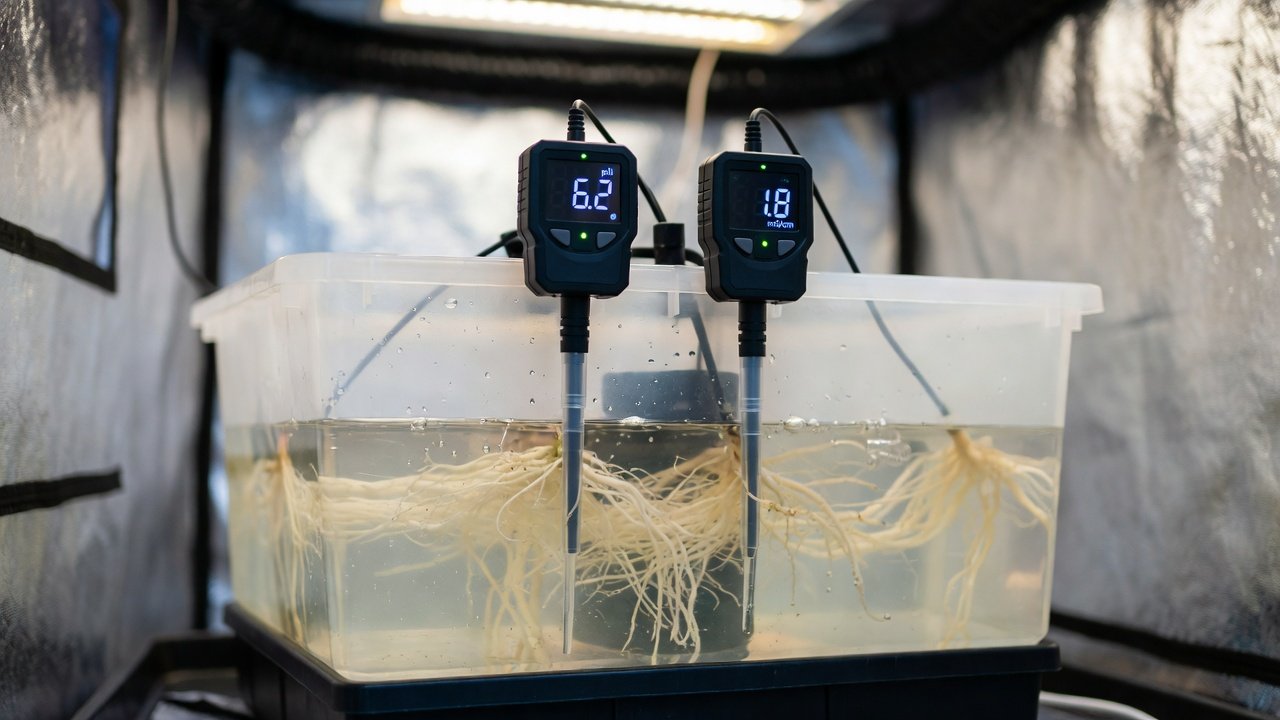
Proper use of these instruments can increase yields by maintaining the narrow pH window of 5.5-6.5 ideal for hydroponic uptake.
Step-by-Step Calibration and Usage
Calibrate your pH meter weekly using buffer solutions at 4.0 and 7.0. For EC, use a 1.0 or 2.0 standard solution before each nutrient change. In practice, check readings twice daily during the first two weeks of a new grow. If pH drifts above 6.5, add small amounts of pH down solution while stirring thoroughly. A common example involves switching from general hydroponic nutrients to a cannabis-specific formula at EC 1.2 during vegetative growth and raising it gradually to 1.8 in late flower, all tracked via app graphs for consistency.
Climate Control and Ventilation Accessories
Effective air management complements grow lights by preventing heat buildup. Inline fans with speed controllers, carbon filters, and oscillating units maintain fresh airflow and humidity levels critical for hydroponic cannabis. 2026 trends include quiet, energy-efficient DC motors and smart sensors that adjust automatically based on temperature spikes.
These accessories reduce mold risk and strengthen stems through gentle breeze simulation. When integrated with timers, they run efficiently during lights-on periods, supporting robust photosynthesis and transpiration in enclosed tents. Aim for 20-30 air exchanges per hour in a standard grow tent. For example, pair a 6-inch inline fan rated at 400 CFM with a carbon filter to keep odors contained and temperatures between 72-78°F during lights-on. Oscillating fans positioned at canopy level create the slight movement plants need to develop stronger branches, reducing the chance of mold in dense hydroponic setups.
Humidity and Temperature Targets
Maintain 50-60% humidity in vegetative stages and drop to 40-50% during flowering. Smart sensors can trigger fan speed increases when readings exceed these ranges, protecting your crop from common issues like powdery mildew.
Plant Supports, Trellising, and Training Aids
Structural supports maximize light penetration and bud development in limited tent space. Adjustable trellis nets, stakes, and yoyos accommodate hydroponic plant sizes while preventing breakage under heavy colas. Modern 2026 options use durable, reusable materials with quick-release mechanisms for easy harvesting.
Combined with low-stress training techniques, these tools promote even canopies that utilize full-spectrum LED output effectively. Home growers note improved airflow and higher gram-per-watt ratios when supports are employed from early vegetative stages onward. Install a trellis net at 12 inches above the hydroponic reservoir when plants reach 8-10 inches tall. Weave branches through the grid every few days to create a flat canopy. This method often increases usable bud sites by 30% compared to unsupported plants. Yoyos provide individual cola support during the final weeks of flower when weights can exceed 100 grams each.
Integrating Tools for Maximum Hydroponic Yields
Successful setups combine all accessories into a cohesive system. Start by mapping timer schedules around meter readings, then layer in ventilation and supports for balanced conditions. 2026 innovations like app dashboards allow centralized control, making it simple to track performance across multiple grows. Authoritative resources such as epa.gov provide guidance on indoor air quality best practices that apply to grow environments.
This holistic approach minimizes errors and maximizes the genetic potential of indoor seeds, delivering higher quality harvests with less effort. Begin each week by reviewing logged data from your meters and timers. Adjust ventilation speeds based on temperature trends and reposition supports as plants stretch. Many growers maintain a simple journal noting weekly pH, EC, and yield projections to refine future cycles.
Conclusion: Preparing for Future-Ready Growing
Investing in these essential tools positions hydroponic growers for success in 2026 and beyond. By focusing on automation, precision, and integration, home cultivators achieve superior efficiency and yields within grow tents. Continuous adaptation to emerging trends ensures sustainable practices that benefit both plants and the environment. Explore these accessories to elevate your indoor cannabis journey today.