
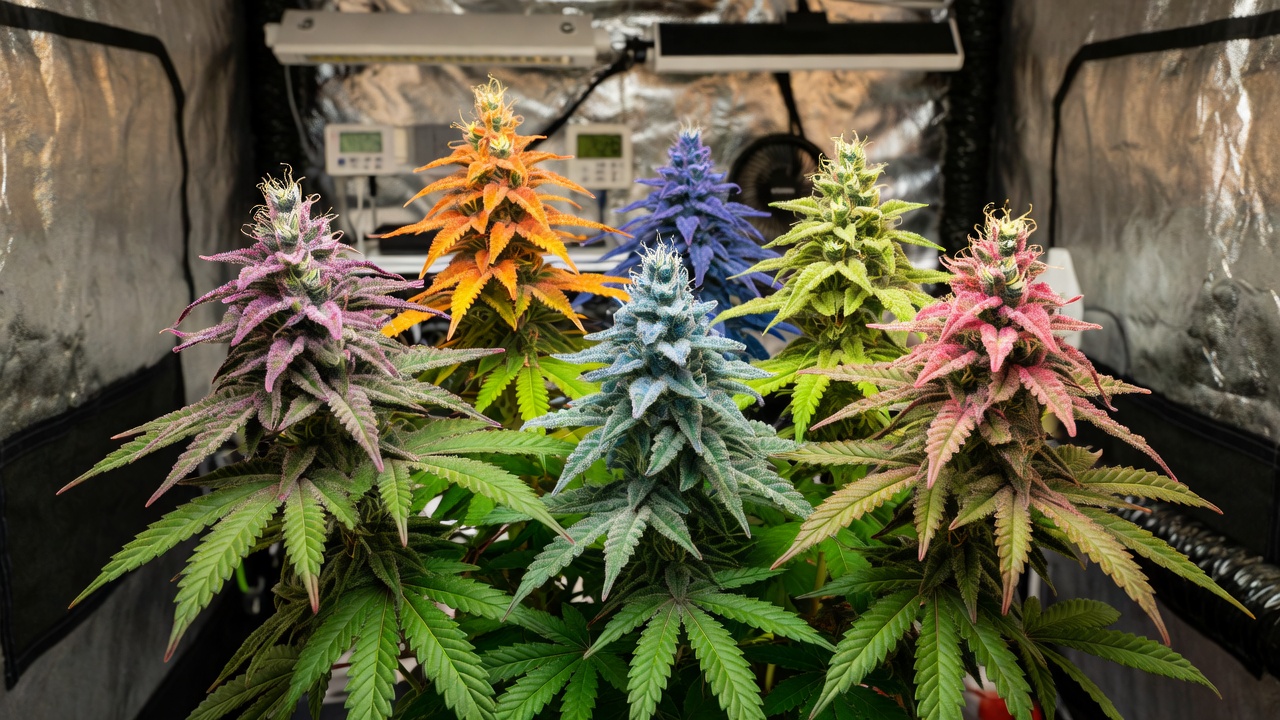
In 2026, the cannabis seed market continues to expand with innovative options that go beyond mainstream hype. Many home growers and enthusiasts seek strains offering distinctive flavors alongside balanced THC and CBD profiles, providing nuanced effects without overwhelming potency. This listicle highlights five underrated varieties that deliver on taste, therapeutic balance, and cultivation reliability, helping seed buyers make informed choices for their next grow. As legalization broadens access across more regions, demand grows for strains that combine reliable performance with subtle cannabinoid ratios suited to both recreational and wellness-focused users.
Why These Strains Stand Out in 2026
Popular strains often dominate shelves, but underrated gems offer unique terpene profiles and stable genetics suited to varied growing conditions. These selections emphasize balanced cannabinoid ratios, typically ranging from 1:1 to 2:1 THC:CBD, which support relaxed focus and mild euphoria. Growers appreciate their resilience to common pests and moderate flowering times, making them practical for indoor and outdoor setups alike. Terpenes such as myrcene, limonene, caryophyllene, and pinene play key roles in shaping aroma, flavor, and the entourage effect that enhances overall benefits without intensifying psychoactivity.
Each strain below includes details on flavor notes, effects, and cultivation advice drawn from grower experiences. They stand apart by combining aromatic complexity with functional benefits, appealing to those tired of repetitive commercial varieties. In practice, these varieties perform consistently across different climates when basic environmental controls are maintained, rewarding attentive growers with harvests that preserve delicate terpene profiles.
Sour Tsunami: Earthy Citrus with Functional Balance
Sour Tsunami delivers a distinctive sour citrus flavor layered with earthy undertones, thanks to its dominant terpenes like myrcene and limonene. Its THC/CBD profile often tests around 10% THC and 8-12% CBD, creating a balanced effect that eases anxiety while maintaining mental clarity. Users report gentle body relaxation ideal for daytime use or creative tasks.
Flavor and Effects in Detail
The sour citrus notes emerge prominently during curing, while earthy base tones provide depth. This combination makes it suitable for users seeking functional daytime options that avoid heavy sedation.
Cultivation Guidance
Cultivation notes highlight its moderate height and 8-9 week flowering period. It thrives in hydroponic systems or well-aerated soil with consistent humidity around 50%. Maintain pH between 6.0-6.5 in soil and 5.5-5.8 in hydro setups. Provide daytime temperatures of 72-78°F and nighttime drops of 5-10 degrees. This strain resists mold better than many sativa-leaning hybrids, rewarding growers with dense, resinous buds. Example: Top plants at week four of veg to encourage lateral branching and yields up to 450 grams per square meter indoors. Monitor for spider mites weekly and apply neem oil preventatively. It stands out for seed buyers seeking reliable CBD content without sacrificing flavor depth.
Pennywise: Berry Spice and Calm Clarity
Named for its clown-like appearance in bud structure, Pennywise features sweet berry and spicy notes from caryophyllene and pinene. With THC levels near 8-12% paired with similar CBD, it promotes calm focus suitable for evening relaxation or managing everyday stress. The balanced profile avoids heavy sedation common in higher-THC options.
Flavor and Effects in Detail
Berry sweetness pairs with subtle spice on exhale, delivering clear-headed calm that supports light social activities or focused reading without drowsiness.
Cultivation Guidance
For cultivation, Pennywise grows compactly, finishing in 7-8 weeks indoors. It prefers organic soil amendments and moderate lighting to maximize CBD expression. Use a living soil mix with added compost tea every two weeks during veg. Home growers value its high yield potential and resistance to temperature fluctuations, making it a standout choice over flashier strains in 2026 seed catalogs. Practical tip: Keep relative humidity at 45-55% during flower and employ LST to keep canopy even under 600W LEDs, often achieving 500 grams per square meter. Check EC levels weekly to avoid nutrient burn.
Harle-Tsu: Piney Sweetness for Balanced Relief
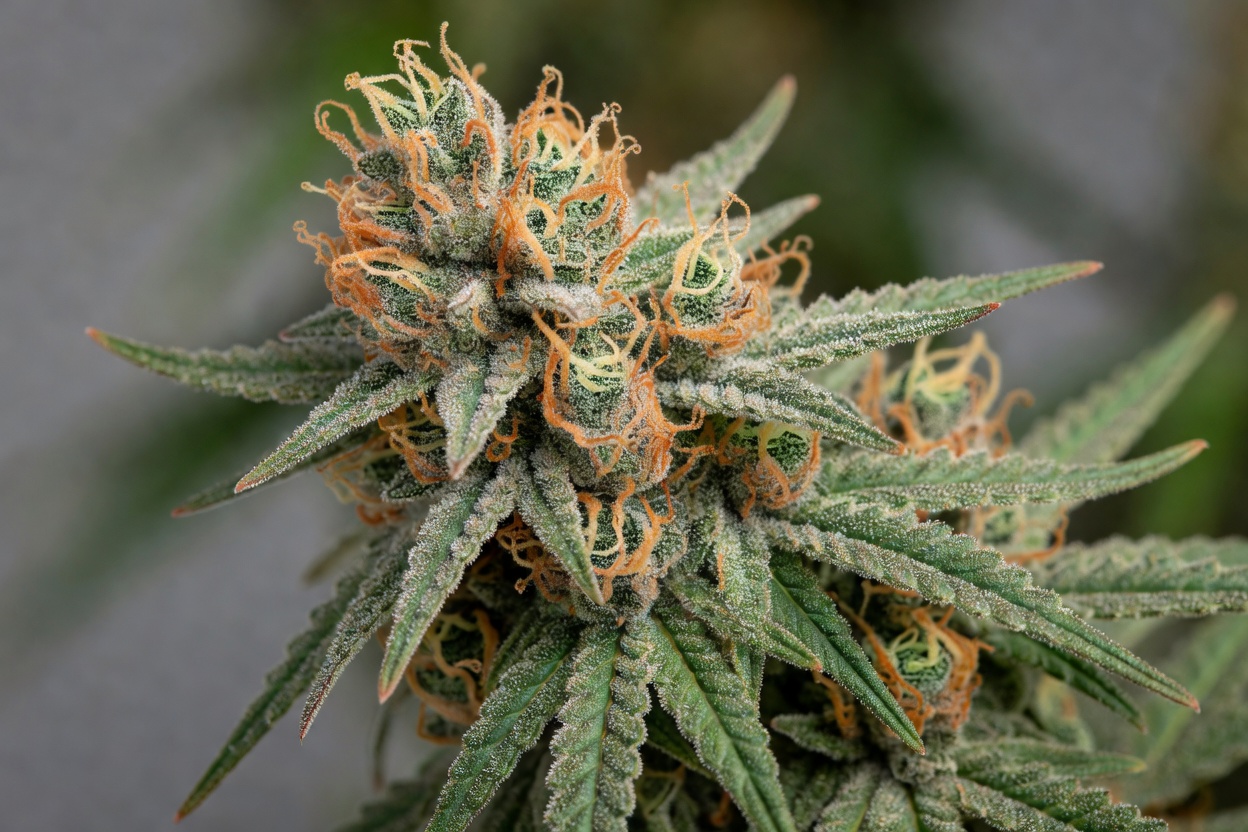
Harle-Tsu combines pine and sweet herbal flavors with subtle grape hints, driven by its terpene synergy. Its consistent 1:1 THC to CBD ratio around 10% each delivers clear-headed relief and mild anti-inflammatory effects, appealing to medicinal users and recreational growers alike.
Flavor and Effects in Detail
Pine-forward aroma transitions to gentle sweetness, supporting users who want relief that remains mentally sharp throughout the day.
Cultivation Guidance
This strain excels in cultivation with a short 7-week flower time and strong branching structure. It performs well in both soil and coco coir, requiring standard nutrient schedules. Start seedlings in small pots and transplant once roots fill the container to minimize stress. Seed buyers note its genetic stability, which reduces hermaphrodite risks compared to less refined hybrids, positioning it as an underrated favorite for consistent home harvests. Example setup: Use 5-gallon fabric pots with perlite-amended coco and feed at 800-1000 ppm during peak flower for dense colas.
ACDC: Woody Citrus Notes and Versatile Effects
ACDC offers woody citrus aromas with hints of pepper, creating a complex palate. Its high-CBD profile, often 10-15% CBD to 3-5% THC, supports focused relaxation and pain management without intoxication. This makes it particularly suited for growers prioritizing functional daytime strains.
Flavor and Effects in Detail
Woody base notes blend with bright citrus and light pepper, offering a clean finish that pairs well with morning routines or work-from-home focus.
Cultivation Guidance
Cultivation is straightforward with a 8-9 week cycle and tolerance to cooler climates. It benefits from topping to encourage bushier growth and higher yields. Train plants with SCROG nets in cooler outdoor climates where nights drop to 60°F. In 2026, ACDC remains a hidden gem for its adaptability and distinctive flavor that differentiates it from sweeter mainstream varieties. Monitor VPD closely around 0.8-1.0 kPa during flower and flush with pH-balanced water two weeks before harvest.
Ringo’s Gift: Floral Earth and Gentle Harmony
Ringo’s Gift presents floral earth tones with subtle fruit undertones via its rich terpene content. Balanced at approximately 8% THC and 10% CBD, it fosters harmonious mood elevation and physical ease, ideal for evening wind-down or social settings.
Flavor and Effects in Detail
Floral notes dominate the nose while earth and faint fruit appear on the palate, creating a smooth experience suited to relaxed gatherings.
Cultivation Guidance
Growers appreciate its vigorous growth and 8-week flowering indoors, with good resistance to pests. Optimal results come from LST techniques and balanced feeding. Apply low-stress training early in veg and maintain 18/6 lighting until flip. This strain stands out for seed selection due to its unique flavor profile and reliable performance in varied environments. Example: Outdoor growers in temperate zones report success with row covers during unexpected cold snaps, yielding 600 grams per plant when spaced properly.
Selecting Seeds and Growing Tips for 2026
When sourcing these strains, prioritize reputable breeders for feminized seeds to ensure balanced cannabinoid expression. Start with quality soil or hydro setups, monitor pH levels closely, and provide 18/6 light during veg for robust development. These varieties reward patience with flavorful, resin-packed harvests suited to enthusiasts seeking alternatives to hype strains.
Further insights on cannabinoid research are available from nida.nih.gov. Experimenting with these options can refresh your garden and expand your appreciation for nuanced cannabis profiles. Track environmental data in a grow journal to refine techniques across multiple cycles, and consider starting with small test batches before scaling up production.