
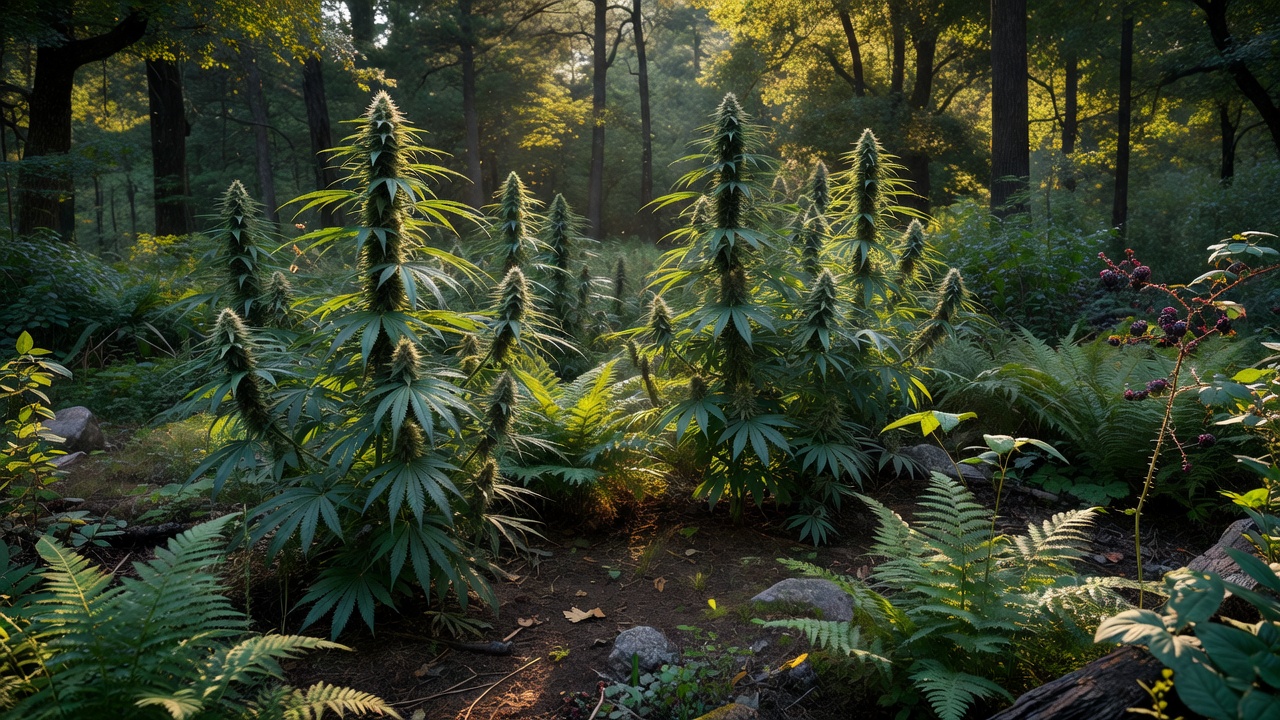
Outdoor cannabis cultivation offers home growers the chance for massive, sun-grown harvests that can reach several pounds per plant under ideal conditions, but common errors in seed choice, timing, and security frequently destroy potential yields before they ever reach maturity. For seed buyers planning 2026 guerrilla or backyard grows, understanding these pitfalls is essential to success because outdoor environments introduce variables like unpredictable weather, longer daylight shifts, and external threats that indoor setups simply do not face. This guide breaks down the top mistakes and delivers practical fixes to optimize your outdoor results, drawing on real-world experiences from growers who have refined their methods over multiple seasons.
1. Selecting Seeds Unsuitable for Outdoor Conditions
Many growers buy popular indoor strains without checking their suitability for outdoor environments, assuming that high-THC genetics will perform equally well under natural sunlight. Autoflowers or photoperiods bred for controlled climates often underperform when exposed to variable weather, shorter seasons, or specific latitudes because they lack the robust root systems and mold resistance needed for open-air growing. This leads to stunted plants, lower resin production, and reduced bud quality that fails to meet expectations at harvest.
Practical fix: Choose photoperiod strains with strong genetics for outdoor resilience, such as those with indica dominance for faster finishes in northern climates where autumn arrives early. Verify seed banks provide detailed outdoor recommendations and climate zone data before purchase, and cross-reference your USDA hardiness zone with the strain’s flowering time. Always start with fresh, reputable seeds suited to your region’s daylight hours and frost dates; for example, a grower in USDA zone 6 might select a strain finishing in early October rather than one that requires a full 12 weeks of bloom.
Matching Genetics to Your Latitude
Consider testing a small number of seeds from multiple outdoor-oriented breeders in your first season. This approach reveals which lines handle local humidity or temperature swings best without risking your entire crop on unproven genetics.
2. Poor Timing of Planting and Harvest
Planting too early exposes seedlings to late frosts that can kill tender growth overnight, while delaying start reduces vegetative growth time and leaves plants undersized when flowering begins. In 2026, shifting weather patterns make accurate timing critical because spring warm spells can arrive weeks earlier or later than historical averages. Harvesting prematurely cuts potency as cannabinoids have not fully developed, yet waiting too long risks mold or rain damage during peak season when humidity spikes.
Fix these issues by tracking local frost dates and lunar cycles for planting windows that align with stable soil temperatures above 50 degrees Fahrenheit. Use climate apps to monitor 2026 forecasts and start seedlings indoors 4-6 weeks before the last frost, hardening them off gradually over 10 days before transplant. For harvest, monitor trichomes closely with a magnifier rather than relying on calendar dates alone; aim for 10-15 percent amber heads on most buds to capture peak effects while avoiding weather-related losses.
3. Neglecting Site Security in Guerrilla Grows
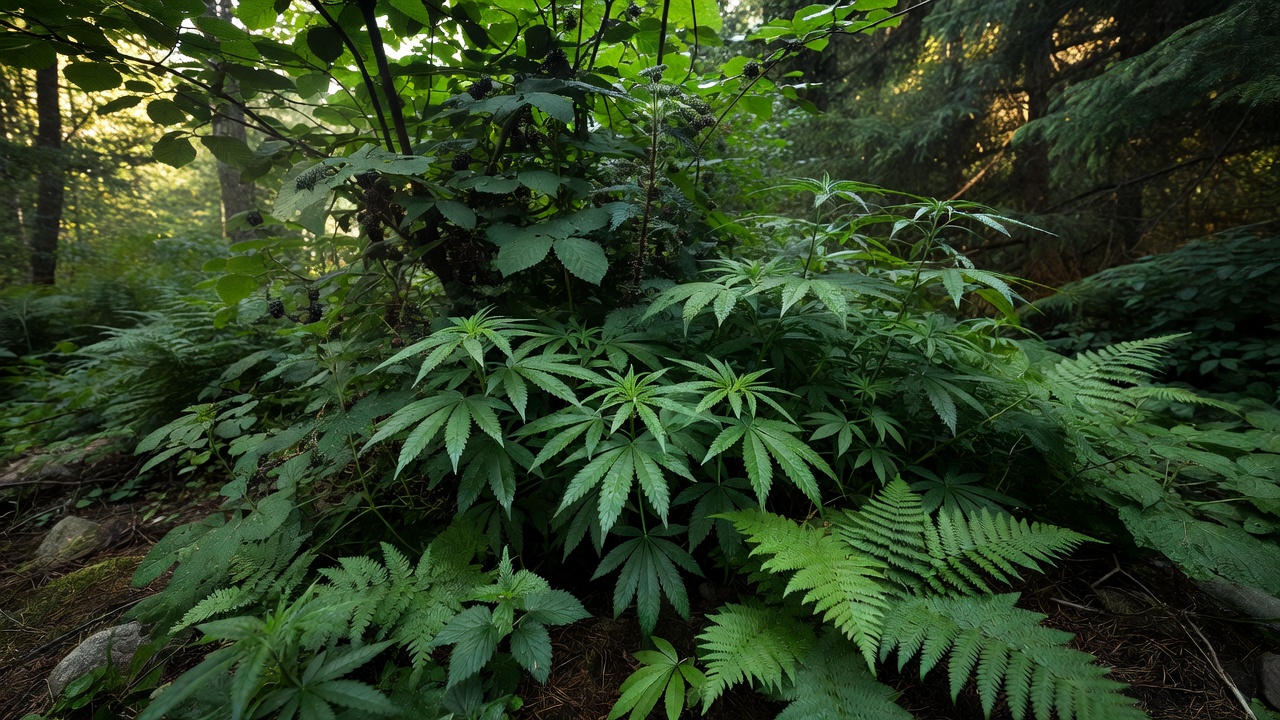
Guerrilla growers often overlook security, leading to theft, discovery by authorities, or animal damage that wipes out months of work in a single night. Exposed sites with visible paths or footprints invite problems that destroy entire crops, especially when plants become obvious from trails or clearings during late summer.
Secure locations by scouting remote areas with natural camouflage like dense brush or tree cover that hides plants from casual view. Rotate sites yearly to avoid patterns that neighbors or hikers might notice, and avoid creating trails by accessing plots from different directions each visit. Install discreet motion cameras or use scent-masking techniques such as planting near aromatic herbs; always plant in small clusters rather than large monocultures to minimize total loss if one spot is compromised.
4. Inadequate Soil Preparation and Nutrient Management
Outdoor soil often lacks the balance needed for heavy-feeding cannabis plants that demand consistent access to nitrogen, phosphorus, and potassium throughout their life cycle. Compacted earth, poor drainage, or nutrient deficiencies cause root issues and weak growth throughout the season, resulting in yellowing leaves and sparse yields that fall far short of potential.
- Test soil pH and amend with organic compost or perlite for better aeration so roots can expand freely and absorb water efficiently.
- Incorporate slow-release nutrients like bone meal at planting time to support early root development without the risk of chemical burn.
- Top-dress with worm castings mid-season to sustain flowering and replenish microbial life in the soil around the root zone.
These steps prevent common deficiencies and support bigger yields without chemical burn risks, giving plants the steady nutrition they need from vegetative stage through full maturity.
5. Ignoring Pest and Weather Protection
Pests like spider mites or deer, combined with storms, devastate unprotected outdoor crops by stripping foliage or breaking branches at critical moments. Guerrilla sites are especially vulnerable without regular monitoring because problems can escalate for weeks before discovery.
Implement integrated pest management using neem oil sprays every 7-10 days during early growth and companion planting with marigolds to deter aphids and other insects naturally. Build simple windbreaks from local brush or use row covers during extreme weather events such as hail or high winds. Check plants weekly for early signs of infestation to intervene before widespread damage occurs, and keep a small field journal noting any recurring issues for future seasons.
6. Rushing or Delaying Final Harvest Decisions
Many seed buyers harvest based on breeder timelines alone, missing peak cannabinoid development or exposing buds to autumn rains that introduce bud rot. This directly reduces marketable yield and quality, turning what could have been premium flower into lower-grade material.
Adopt a patient approach by sampling buds from multiple plants and examining trichome color under magnification at least twice before deciding. Dry and cure properly post-harvest to preserve terpenes by hanging branches in a dark space with 45-55 percent humidity for 10-14 days. Adjust future 2026 timing based on this season’s results for iterative improvement, noting exact harvest dates and weather conditions in your records.
Optimizing Your 2026 Outdoor and Guerrilla Grows
By addressing these errors proactively, seed buyers can achieve significantly higher yields from outdoor cannabis that rival or exceed indoor results when conditions are managed well. Focus on climate-appropriate genetics, precise timing, and robust security measures that protect your investment from start to finish. For additional authoritative guidance on sustainable practices, consult resources from the USDA on soil health and the EPA for pesticide alternatives. Start planning now to turn common mistakes into consistent outdoor success across multiple seasons.