
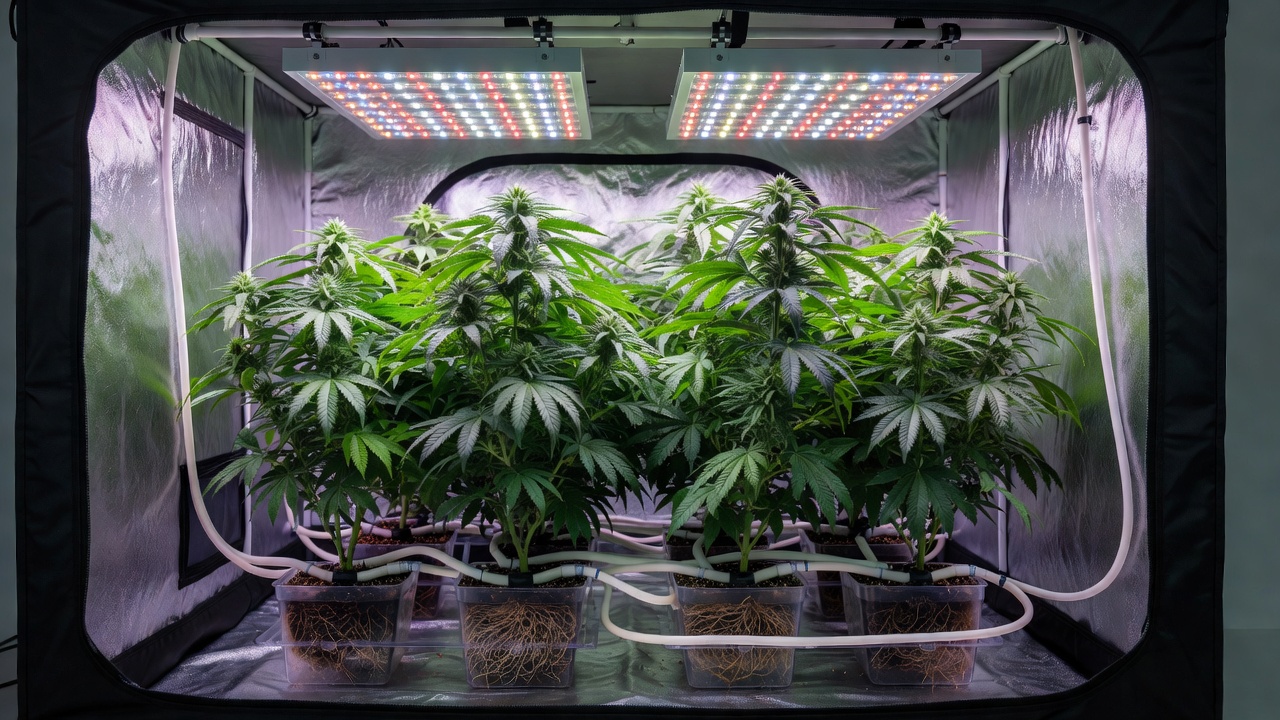
Introduction to Proactive Pest Management in Indoor Cannabis Cultivation
Indoor cannabis growing in hydroponic systems and grow tents demands vigilant, proactive strategies to prevent pest outbreaks before they compromise yields. In 2026, home growers increasingly rely on organic methods that safeguard plant health without introducing synthetic chemicals. This approach integrates early detection, natural controls, and optimized environmental factors like grow lights optimization to create inhospitable conditions for common invaders such as spider mites, aphids, and fungus gnats.
Hydroponic setups, while efficient, can accelerate pest spread due to constant moisture and nutrient solutions. Grow tents offer controlled environments but require precise management to avoid humidity spikes that encourage infestations. By focusing on compatible indoor seeds with natural resistance traits, cultivators can reduce vulnerability from the outset. For example, a grower managing a 4×4 tent with a 20-plant hydroponic DWC system might spend 15 minutes each morning checking reservoir temperatures and leaf undersides, catching problems weeks before visible damage appears.
Why Prevention Beats Reaction in Controlled Environments
Prevention starts with understanding that once pests establish, even organic treatments require multiple applications and can slow growth. A practical routine includes logging daily humidity, temperature, and plant observations in a simple notebook or app. This data reveals patterns, such as mite flares after heat spikes above 82°F, allowing preemptive adjustments like increasing airflow or lowering light intensity.
Identifying Common Pests in Hydroponic and Grow Tent Environments
Effective pest management begins with accurate identification. Spider mites often appear as tiny specks on leaf undersides, producing fine webbing that signals advanced colonization. Aphids cluster on new growth, excreting sticky honeydew that attracts mold. Fungus gnats thrive in moist growing media, their larvae damaging roots in hydroponic reservoirs.
Regular scouting with a magnifying loupe during weekly inspections allows growers to catch issues at the egg or larval stage. Monitoring tools like yellow sticky traps placed strategically near intake vents provide early warnings. In grow tents, checking seals and filters prevents external pests from entering during ventilation cycles. A concrete example: place four yellow traps at canopy height and two near the floor; count insects weekly and act if counts exceed five per trap for two consecutive days.
Scouting Schedule and Tools for Consistent Detection
Implement a fixed weekly schedule: Monday for visual checks with a 30x loupe on 10 random leaves per plant, Wednesday for trap counts, and Friday for environmental logging. This rhythm turns identification into habit rather than crisis response. Clear explanations of symptoms—such as stippling on leaves indicating mite feeding—help new growers distinguish pests from nutrient issues.
Organic Control Strategies Tailored for Indoor Setups
Once identified, organic interventions focus on disruption rather than eradication. Neem oil emulsions, applied as foliar sprays during lights-off periods, smother soft-bodied insects while remaining safe for hydroponic roots. Beneficial insects such as predatory mites and ladybugs can be introduced directly into the tent for biological control, establishing self-sustaining populations.
Companion planting with basil or marigold inside the tent deters aphids through natural repellents. For fungus gnats, Bacillus thuringiensis (BTI) treatments in nutrient solutions target larvae without affecting cannabis plants. Maintaining strict hygiene—sterilizing tools and quarantining new clones—forms the foundation of these chemical-free protocols. In practice, a 5×5 tent grower might release 1,000 Neoseiulus californicus mites at the first sign of spider mites, repeating every 14 days until populations stabilize.
Step-by-Step Application Examples
- Mix 1 oz neem oil with 1 tsp insecticidal soap per gallon of water; agitate thoroughly.
- Apply with a fine-mist sprayer at lights-off, covering both leaf surfaces.
- Monitor for 48 hours before reintroducing beneficial insects to avoid harming them.
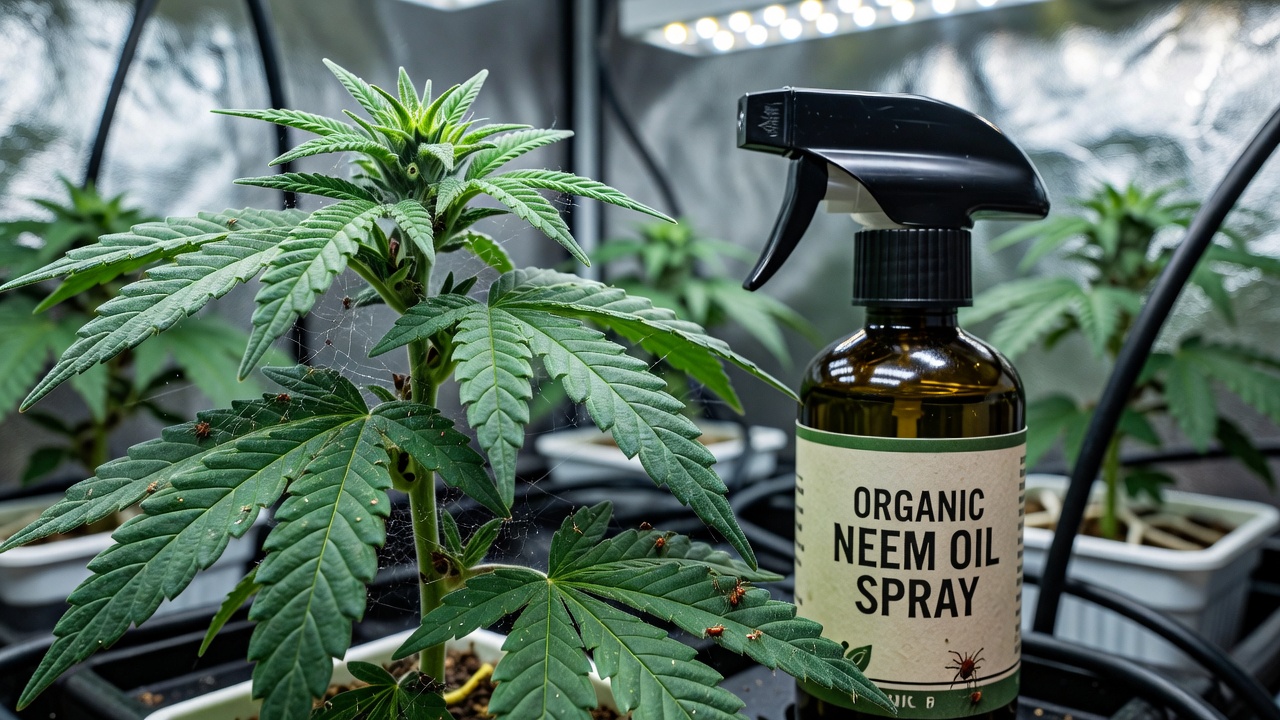
These steps, repeated at seven-day intervals for three cycles, usually break the pest life cycle without residue concerns in hydroponic systems.
Selecting Indoor Seeds with Natural Resistance Traits
Choosing the right genetics significantly reduces pest pressure. Indoor seeds bred for robust leaf structures and vigorous root systems, such as certain indica-dominant hybrids, exhibit greater tolerance to mite feeding. Varieties with higher resin production often deter aphids naturally through glandular trichomes.
Seed banks emphasizing stability for controlled environments provide strains tested in hydroponic conditions. Pairing resistant cultivars with consistent environmental parameters minimizes stress that otherwise invites infestations, supporting higher yields throughout the flowering cycle. Growers report that strains like certain Northern Lights crosses require 30 percent fewer interventions than sativa-leaning varieties in the same tent.
Matching Genetics to Your Specific Setup
When ordering, request seed bank data on pest tolerance and hydroponic performance. Start small test grows of two or three cultivars side-by-side to observe real-world resistance before committing an entire tent. This empirical approach saves time and money over multiple cycles.
Grow Lights Optimization to Deter Infestations
Grow lights optimization plays a dual role in plant vigor and pest suppression. Full-spectrum LED arrays positioned at optimal distances promote dense canopies that limit pest access to lower leaves. Adjusting light cycles and intensity prevents excessive heat that drives spider mites to proliferate while encouraging strong plant defenses through enhanced photosynthesis.
Strategic placement of lights near intake areas also reduces stagnant air pockets where gnats breed. Combining this with oscillating fans ensures even light distribution and airflow, creating an environment where pests struggle to establish colonies. Regular calibration of fixtures maintains these benefits across growth stages. A practical guideline: maintain 18–24 inches between LED tops and canopy during veg, raising to 30 inches in flower to balance light penetration and heat control.
Airflow and Light Integration Techniques
- Position two 6-inch oscillating fans per 4×4 tent to eliminate microclimates.
- Run lights 18 hours on during veg to accelerate growth before pests can multiply.
- Check PAR values weekly with a meter to ensure uniform coverage without hot spots.
Advanced Techniques for Sustained Healthy Yields
Integrating these methods requires ongoing system monitoring. pH and EC testing in hydroponic reservoirs prevents nutrient imbalances that weaken plants against pests. Automated sensors tracking temperature and humidity within tents enable rapid adjustments that disrupt pest life cycles.
Periodic root zone treatments with organic enzymes further strengthen defenses in soilless media. Documenting each grow cycle helps refine protocols, turning experiential data into reliable prevention strategies for future harvests. For instance, noting that a 0.2 EC spike correlated with increased gnat activity allows preemptive reservoir flushes.
Documentation and Continuous Improvement
Maintain a simple spreadsheet tracking dates of scouting, treatments, and environmental readings. After three cycles, patterns emerge that let you predict and prevent 80 percent of issues before they start, turning experience into repeatable success.
Conclusion
Proactive, organic pest management empowers indoor cannabis growers to achieve robust yields in hydroponics and grow tents. By combining vigilant identification, natural controls, resistant seeds, and grow lights optimization, enthusiasts protect their crops sustainably. These techniques align with evolving best practices for 2026, emphasizing prevention and environmental harmony over reactive measures. For further guidance on integrated pest management, consult resources from ipm.ucanr.edu.