
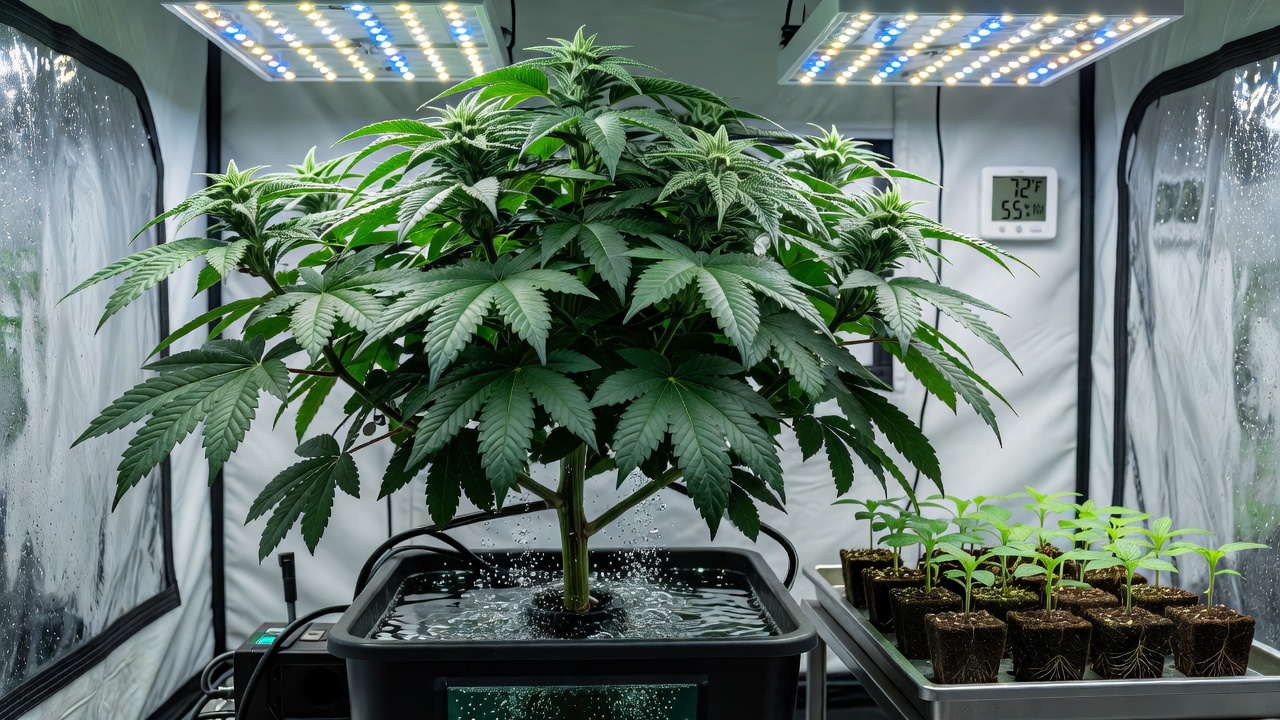
Introduction to Hydroponic Cannabis Cloning
Cloning cannabis plants offers home growers a reliable way to replicate elite genetics without starting from seeds every cycle. In 2026, indoor hydroponic setups inside grow tents have become increasingly popular due to their efficiency, control over nutrients, and faster turnaround times. This guide walks through proven techniques tailored for hydro systems, ensuring high success rates even for beginners using indoor seeds. For example, a typical seed-to-harvest cycle might take 12-16 weeks from germination, but clones can shorten the vegetative phase by 4-6 weeks, allowing multiple harvests per year in the same space. Hydroponic cloning also reduces variables like soil pH fluctuations, giving growers precise control over every aspect of early plant development.
Successful cloning begins with understanding the plant’s needs during the vegetative phase. By focusing on healthy mother plants and optimized environments, growers can achieve rooting success above 90 percent. Hydroponics eliminates soil-borne issues, allowing direct nutrient uptake that accelerates root development. Beginners often see the best results by starting with small-scale tests, such as cloning five to ten cuttings from a single mother before scaling up to larger operations in 4×4 or 5×5 grow tents.
Selecting and Preparing Healthy Mother Plants
Choosing the right mother plant is critical for cloning success. Select vigorous females from your indoor seed stock that exhibit strong growth, resistance to pests, and desirable traits like high resin production. Mother plants should be at least 8-12 weeks old and maintained in a perpetual vegetative state under 18 hours of light. A practical example involves keeping one mother per strain in a dedicated 2×2 tent section, feeding it a consistent regimen of 3-1-2 NPK nutrients at 800 PPM to sustain steady growth without flowering triggers.
Prepare the mother by flushing with pH-balanced water 48 hours before taking cuttings. Use sharp, sterilized scissors to snip 4-6 inch branches at a 45-degree angle just below a node. Remove lower leaves to reduce transpiration stress while retaining 2-3 sets of fan leaves for photosynthesis. Always sterilize tools with 70 percent isopropyl alcohol between cuts to avoid transmitting pathogens, and label each cutting with the mother strain and date taken for tracking purposes.
Best Practices for Mother Plant Health
- Monitor EC and pH levels daily in hydro reservoirs.
- Provide balanced nutrients high in nitrogen during veg.
- Prune regularly to encourage bushy growth and multiple clone sites.
Additional guidance includes topping mothers at the fifth or sixth node to create multiple branching points, yielding 20-30 viable cuttings every four weeks from a well-maintained plant. Rotate mothers every six months to prevent genetic drift or accumulated stress.
Setting Up the Cloning Environment in Grow Tents
Grow tents provide the perfect enclosed space for maintaining humidity and temperature during cloning. Aim for 70-80°F with 80-90% relative humidity initially, using a hygrometer and small humidifier if needed. A dedicated cloning tent or sectioned area prevents cross-contamination with flowering plants. In a practical 3×3 tent setup, position a digital controller to maintain these parameters automatically, reducing daily manual checks to once per morning and evening.
Install reflective mylar walls and ensure adequate ventilation with oscillating fans on low settings. This setup mimics ideal tropical conditions that promote rapid root initiation in hydroponic mediums like rockwool or clay pebbles. For instance, place a 4-inch inline fan on low speed paired with a carbon filter to keep air fresh without creating drafts that dry out cuttings.
Step-by-Step Rooting Methods Under Optimized Grow Lights
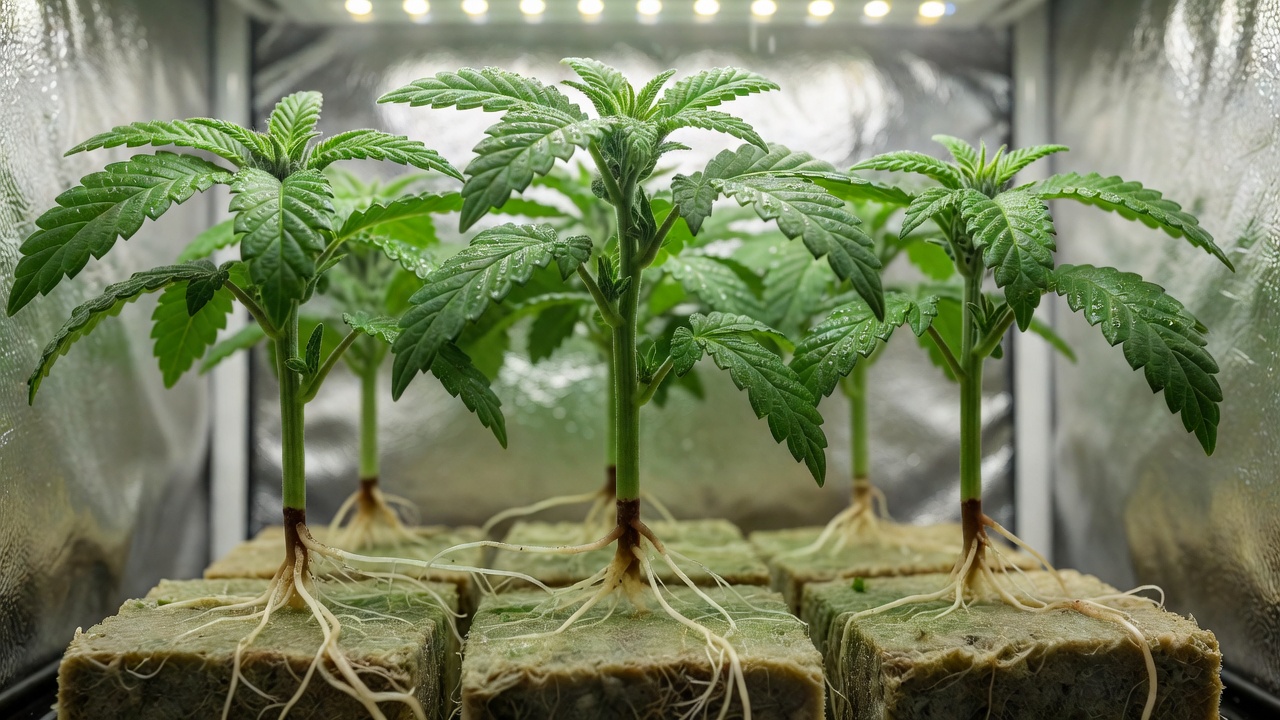
Rooting clones hydroponically starts with placing cuttings into pre-soaked rockwool cubes or net pots filled with inert media. Apply a rooting hormone gel to the stem base before insertion to stimulate cell division. Soak rockwool cubes overnight in pH 5.5 water with a light rooting solution at 200 PPM, then insert stems 1 inch deep and firm the medium gently around each cutting.
Position clones under low-intensity LED or fluorescent lights providing 18-24 hours of light daily at 200-400 PPFD. Avoid high-intensity lights that can scorch tender tissues. Change the cloning solution every 3-5 days to maintain oxygen levels and prevent algae. In a concrete example, use two 24-watt T5 fluorescent tubes suspended 12 inches above a 10-clone tray, adjusting height daily as roots develop.
Advanced Rooting Techniques
Consider aeroponic cloning machines for even faster results, misting roots every few minutes. Monitor for white root tips emerging within 7-14 days. Once roots reach 2-3 inches, the clones are ready for transition. Track progress in a simple notebook noting daily humidity, temperature, and root visibility to refine future batches.
Transitioning Clones Successfully to Full Hydro Systems
Gradual acclimation is key when moving rooted clones into main hydroponic reservoirs. Start by introducing them to a diluted nutrient solution at 400-600 PPM, slowly increasing strength over 7 days. Maintain water temperature around 65-70°F with air stones for oxygenation. A real-world example is moving clones from a 5-gallon cloning bucket into a 20-gallon recirculating deep water culture system, adding beneficial bacteria like Bacillus subtilis on day three to support root health.
Monitor for transplant shock signs such as wilting and adjust lighting intensity upward gradually. Within two weeks, clones should integrate seamlessly into the vegetative or flowering schedule. Raise PPFD from 400 to 600 over the first week while watching leaf color for signs of stress.
Yield-Boosting Tips and Troubleshooting for High Success Rates
To maximize yields, top clones early after establishment and use low-stress training techniques. Supplement with CO2 at 1000-1200 PPM once acclimated and maintain VPD between 0.8-1.2 kPa. For troubleshooting, address common issues like root rot by increasing aeration or yellowing leaves by correcting nutrient imbalances. An example fix for slow growth involves adding 1 ml per gallon of silica supplement to strengthen stems during the first two weeks post-transplant.
Common problems include slow rooting due to low humidity—remedy with domes—and fungal infections prevented through sterile tools. Reference authoritative resources like https://www.ncbi.nlm.nih.gov for ongoing research into cannabis propagation. Another helpful source is https://www.usda.gov for agricultural best practices adaptable to controlled environments. Keep a grow journal logging every variable to identify patterns across multiple cloning cycles.
Conclusion
Mastering hydroponic cloning in grow tents empowers indoor growers to achieve consistent, high-quality harvests year after year. By following these detailed steps in 2026, enthusiasts can enjoy boosted yields and robust plants from their favorite indoor seed genetics. Experiment responsibly and track results to refine your personal techniques over multiple cycles, aiming for incremental improvements such as raising success rates from 85 percent to over 95 percent through consistent environmental control.