
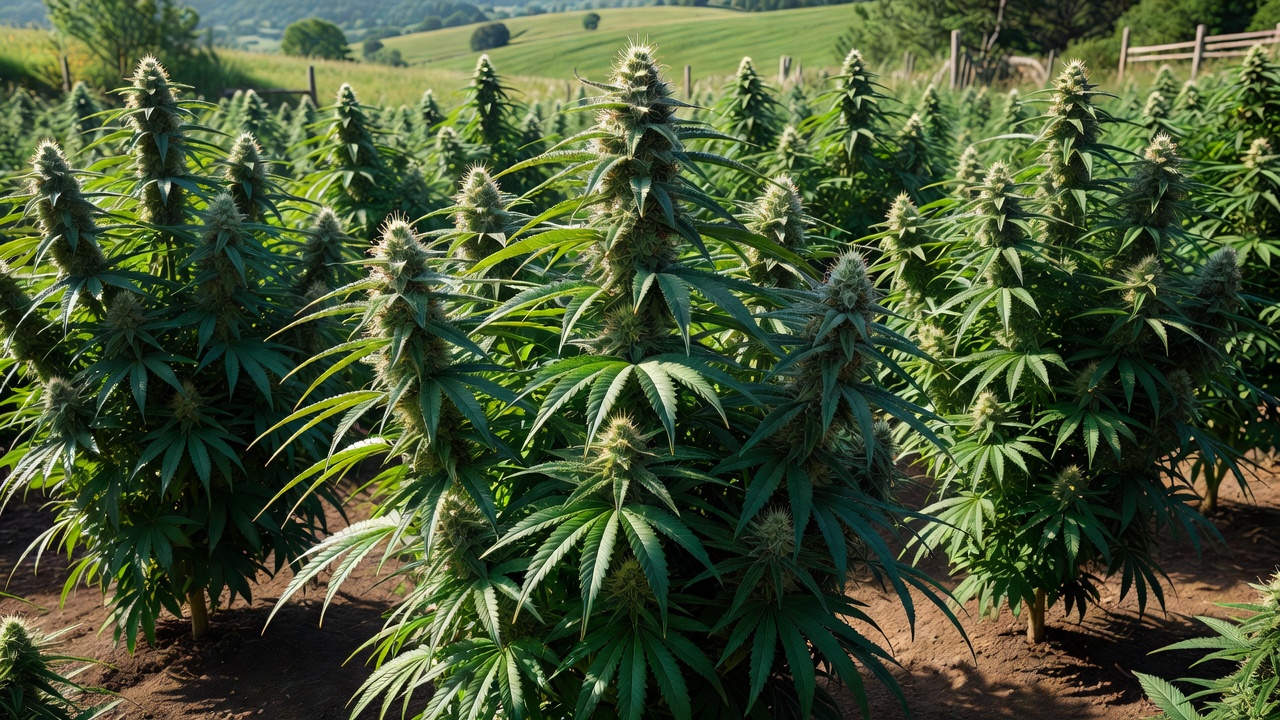
Selecting the right cannabis seeds is the foundation of a successful outdoor grow. In 2026, home growers face evolving climate challenges and stricter regulations, making stable genetics more important than ever. This guide walks you through choosing varieties from reputable seed banks that deliver consistent performance outdoors, focusing on key traits like resilience and yield reliability. Begin by assessing your local growing conditions, including average temperatures, rainfall patterns, and daylight hours, then match those factors to seed descriptions that emphasize outdoor performance. Many growers start with small test batches of five to ten seeds to evaluate how well a variety adapts before committing to larger plantings.
Why Stable Genetics Matter for Outdoor Cultivation
Outdoor cannabis plants encounter unpredictable weather, varying soil conditions, and natural pests. Unstable genetics can lead to hermaphroditism, uneven growth, or poor adaptation, wasting time and resources. Stable seeds, bred through careful selection over multiple generations, produce uniform plants that thrive in real-world conditions. Home growers benefit from predictability, whether cultivating in temperate zones or harsher climates. For example, a stable variety will show consistent node spacing and leaf shape across all plants, allowing you to plan canopy management with greater accuracy.
Stability ensures traits like flowering time and cannabinoid profiles remain consistent across batches. This reliability supports both personal use and small-scale breeding projects. By prioritizing stability, you reduce risks associated with environmental stressors common in outdoor setups. Unstable seeds often produce plants that finish flowering at different times, complicating harvest schedules and increasing the chance of mold exposure in late-season rains.
Evaluating Climate Resilience in Cannabis Seeds
Climate resilience is critical when buying seeds for outdoor use. Look for indica-dominant or hybrid strains known for tolerance to temperature swings, high humidity, or drought. Landrace varieties from regions with similar conditions to your grow area often perform best due to natural adaptation. Check seed bank descriptions for mentions of cold resistance or mold tolerance. Practical growers map their USDA hardiness zone first, then cross-reference strain notes that mention performance in comparable zones.
Consider your USDA hardiness zone and match it to strain recommendations. Resilient genetics minimize the need for extensive interventions like supplemental lighting or protective covers. Researching parent lineages helps predict how plants will handle seasonal changes throughout the grow cycle. In zone 6, for instance, select varieties with documented tolerance to early autumn frosts so you can extend the season without heavy reliance on row covers.
Matching Strains to Your Local Conditions
Start by recording your area’s first and last frost dates and average summer humidity. Then review seed listings for phrases such as “cold tolerant” or “mold resistant.” Test a few plants in microclimates around your property, such as a sheltered south-facing spot versus an open field, to see which genetics respond best before scaling up.
Prioritizing Pest and Disease Resistance
Pest resistance protects your crop without heavy reliance on chemicals. Strains with robust trichome production or thick leaf structures deter insects like aphids and spider mites. Disease-resistant varieties handle powdery mildew and bud rot better, especially in humid outdoor environments. Seed banks often highlight these traits through lab-tested parent plants.
- Review customer grow reports for real-world pest performance data, paying attention to entries from growers in your region.
- Choose autoflowering options with built-in resistance for shorter cycles that avoid peak pest seasons.
- Avoid overly sensitive sativas in pest-prone areas where long flowering times increase exposure.
- Look for thick-stemmed indica hybrids when dealing with windy sites that stress plants and invite opportunistic insects.
Integrating these factors early in selection leads to healthier harvests and lower maintenance. Many experienced growers also rotate companion plants such as marigolds around the perimeter to provide additional natural deterrence.
Ensuring Yield Consistency Across Seasons
Yield consistency allows growers to plan harvests reliably. Stable genetics produce similar bud sizes and potency year after year when grown under comparable conditions. Focus on strains with documented average yields of 400-600 grams per plant outdoors. Factors like branching density and flowering duration influence final output. Keep a simple garden journal noting plant height at flip, bud density, and dry weight to compare performance across multiple seasons.
Cross-reference seed bank data with independent tests for accuracy. Consistent performers help maximize garden space and support sustainable practices. This trait is especially valuable for enthusiasts scaling up from small home plots. When yields remain predictable, you can better estimate how many plants are needed to meet personal consumption goals without overplanting.
Sourcing from Reputable Seed Banks
Reputable seed banks maintain rigorous breeding standards and offer germination guarantees. Look for banks with transparent sourcing, third-party testing, and positive community feedback. Avoid unverified sellers that may provide unstable or mislabeled seeds. Established banks provide detailed strain histories and support resources for outdoor growers. Read recent forum threads that include photos of finished plants from the same seed lot you are considering.
Resources like the National Center for Biotechnology Information offer insights into cannabis genetic research that inform better purchasing decisions. Always verify bank credentials through grower forums and official agricultural guidelines from the United States Department of Agriculture. Reputable banks also publish clear return policies and maintain active customer service that answers questions about outdoor performance.
Verification Techniques and Basic Breeding Knowledge
Verification starts with checking seed viability through simple float tests and germination rates advertised by the bank. Request certificates of analysis for genetic stability markers when available. Understanding basic breeding helps: F1 hybrids may show vigor but less uniformity than stabilized IBL lines.
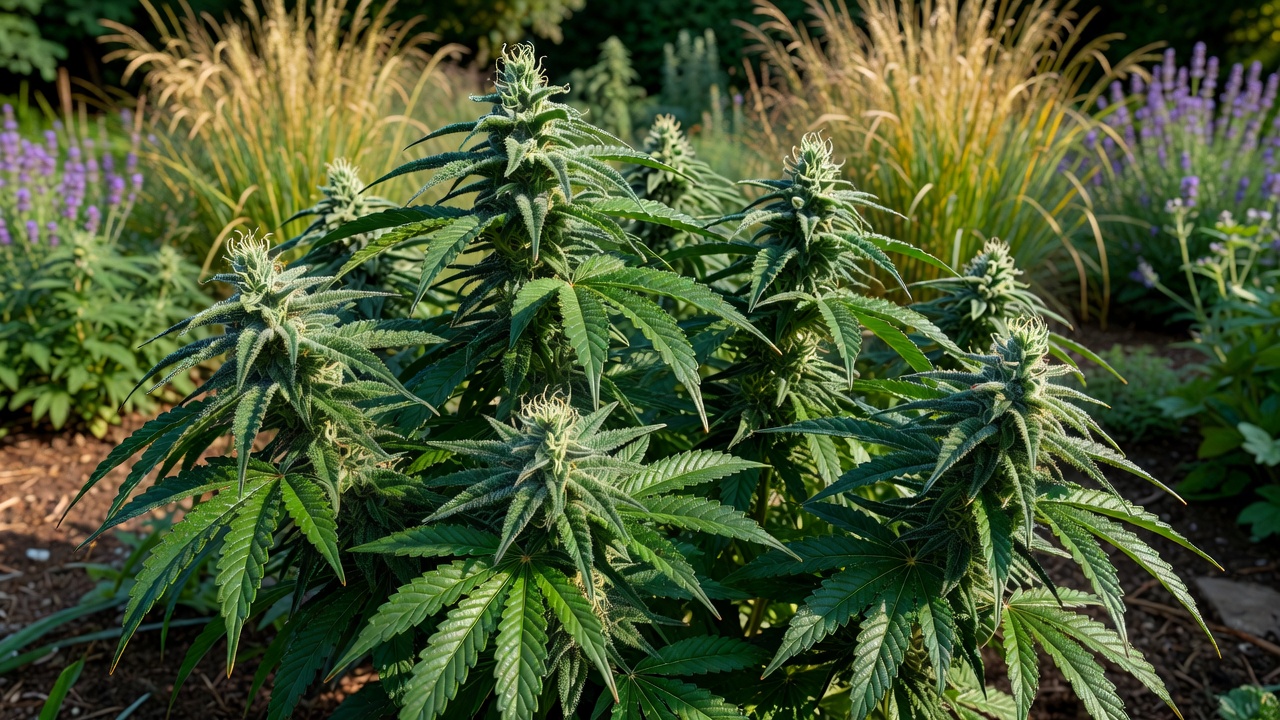
Track phenotypes during early grows to confirm consistency. Learn to identify true-breeding traits by observing multiple plants from the same pack. This knowledge empowers you to select future seeds confidently and even experiment with small-scale stabilization projects at home. For example, mark plants that finish at the same time and show identical aroma profiles, then collect seeds from those individuals only.
Conclusion
Choosing stable cannabis genetics for outdoor growing requires attention to climate fit, resistance traits, and proven sources. By applying these verification steps and breeding basics, home growers achieve dependable results season after season. Invest time in research to build a thriving, resilient garden in 2026 and beyond. Start with a modest number of seeds from two or three carefully vetted banks, document every stage, and refine your choices each year based on real results from your own location.