
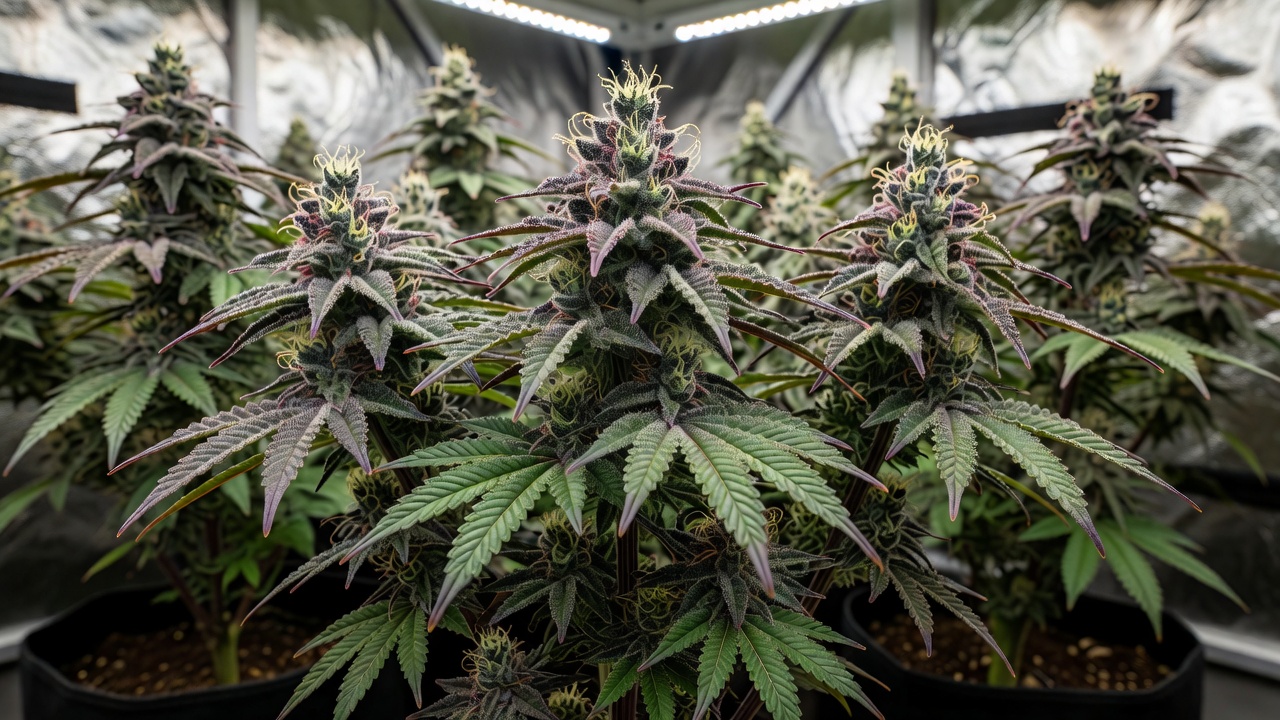
Autoflowering cannabis strains have transformed home cultivation by offering predictable growth cycles and robust performance regardless of light schedules. These varieties stem from crosses involving Cannabis ruderalis, which imparts the autoflowering trait, allowing plants to transition from vegetative growth to flowering based on age rather than photoperiod changes. For enthusiasts and home growers, understanding these genetic foundations is essential when sourcing seeds from reputable banks, as stability directly influences harvest consistency and overall success. Beginners often appreciate how autoflowers eliminate the need for complex light timers, while experienced cultivators value the ability to run perpetual harvests in limited spaces.
Core Genetic Traits of Autoflowering Strains
At the heart of autoflowering cannabis lies a blend of indica, sativa, and ruderalis genetics. Ruderalis contributes the automatic flowering mechanism, typically triggering bloom within 2-4 weeks of germination. Modern breeding has refined this lineage to minimize unwanted ruderalis characteristics like lower THC levels, resulting in potent hybrids with enhanced resin production and diverse terpene profiles. Stability in these traits means reduced phenotypic variation across a seed batch, ensuring growers experience uniform plant height, bud density, and maturation times. For instance, a stable strain such as an Afghan-influenced autoflower will produce plants that reach similar heights of around 30 inches and finish within a narrow window, reducing guesswork during the grow cycle.
Genetic stability also encompasses resistance to environmental stressors. Autoflowers often exhibit strong vigor due to their ruderalis heritage, thriving in cooler climates or fluctuating indoor conditions where photoperiod strains might falter. Breeders achieve this through selective stabilization over multiple generations, locking in desirable alleles for consistent cannabinoid expression. A practical example involves growers in northern regions who report success with stabilized varieties that tolerate temperature swings between 65 and 75 degrees Fahrenheit without showing stress-related hermaphroditism.
Stability Advantages for Home Growers
One major benefit of stable autoflowering genetics is the shortened lifecycle, often completing in 8-10 weeks from seed. This allows multiple harvests per year without the need for light timers or blackout periods, simplifying setups for beginners and space-limited growers alike. A home grower with a single 2×2 tent can realistically complete four to five cycles annually, turning a small space into a continuous supply source. Stable strains further reduce the risk of hermaphroditism or uneven flowering, leading to higher yields and better quality flower.
Consistency extends to effects and flavors. When genetics are stabilized, users can expect repeatable THC/CBD ratios and terpene profiles batch after batch. This reliability supports medical users seeking specific therapeutic outcomes and recreational growers aiming for premium results. Additionally, autoflowers’ compact stature makes them ideal for discreet cultivation, with stable plants rarely exceeding 3-4 feet in height. Growers in apartments frequently cite this trait as key to avoiding detection while still harvesting 50-80 grams per plant under 200-watt LEDs.
Assessing Breeding History in Seed Purchases
When evaluating seed banks, prioritize those that disclose detailed breeding histories. Reputable sources provide information on parent strains, generation counts, and stabilization methods used. Look for lineages backcrossed or inbred for at least five generations to ensure trait fixation. This transparency signals professional practices and reduces the chance of genetic drift or instability. A concrete step is to review a bank’s website for pedigree charts showing how a strain like Blueberry Auto was developed from specific ruderalis and indica parents over successive generations.
Established banks often partner with specialized breeders who maintain mother plants in controlled environments. Reviewing customer feedback on forums and checking for lab-tested germination rates above 90% offers further insight into reliability. Avoid banks with vague descriptions or frequent complaints about variable phenotypes. Growers who document their experiences with particular banks often note that consistent feedback on uniform growth patterns serves as a strong indicator of quality seed stock.
Key Reliability Factors When Buying Autoflower Seeds
Seed viability and storage conditions are critical. Choose banks that ship fresh seeds in protective packaging with clear harvest dates. Genetic reliability also involves verifying feminization techniques; stable autoflowers are typically sold as feminized to eliminate male plants, but poor methods can introduce instability. Checking harvest dates ensures seeds have not aged beyond 12-18 months, which can lower germination success rates.
- Confirm third-party lab results for germination and genetic purity; aim for certificates showing at least 95 percent feminization accuracy and viability testing on recent batches.
- Research strain-specific data on flowering times and yields from multiple sources, such as comparing reported 400-gram-per-square-meter indoor yields across grower logs before committing to a full pack.
- Consider climate compatibility, as some stabilized autoflowers perform better outdoors in northern latitudes where short summers favor 8-week finish times.
Price can indicate quality, but premium seeds from trusted banks justify the cost through superior consistency.
Practical Selection Tips for Consistent Results
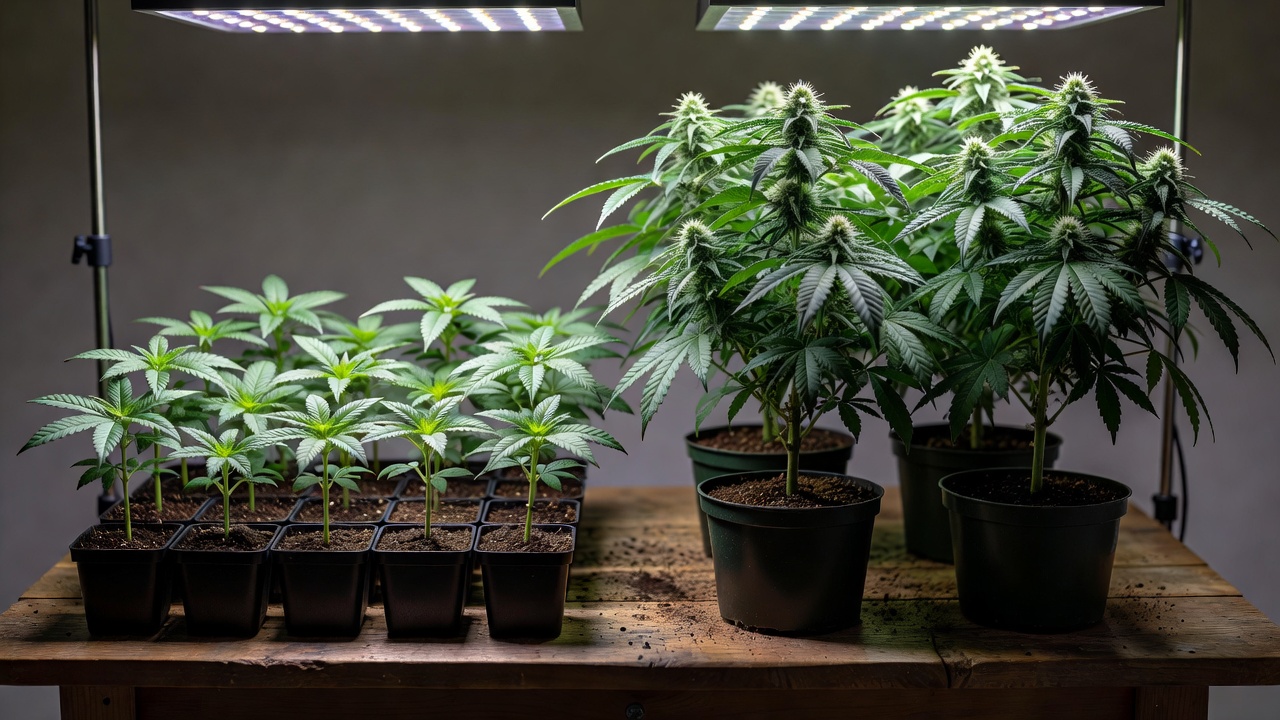
Start by matching strains to your grow environment. Indoor growers benefit from compact, high-yielding varieties like those with Afghan or Kush influences, while outdoor cultivators may prefer faster-maturing options suited to shorter seasons. Always purchase in small quantities initially to test stability before scaling up; ordering five seeds of a new strain allows you to evaluate uniformity without major investment. For example, an indoor grower using a 3×3 tent might select a Kush-dominant autoflower that stays under 36 inches while delivering dense colas.
Monitor early growth for uniformity in leaf shape and node spacing as indicators of genetic consistency. If variations appear, document them and switch banks for future purchases. Cross-reference strain names with databases from authoritative sources such as https://www.ncbi.nlm.nih.gov/ to understand underlying genetics. Recording weekly photos of seedling development helps identify any outliers early, allowing adjustments like slight nutrient tweaks to keep the crop on track.
Conclusion
Selecting autoflowering cannabis seeds with proven genetic stability empowers home growers to achieve reliable, high-quality harvests year-round. By focusing on breeding history, seed bank reputation, and practical evaluation criteria, enthusiasts can minimize risks and maximize enjoyment. As breeding techniques advance in 2026, the availability of even more consistent strains continues to grow, supporting sustainable and successful cultivation practices. Growers who apply these principles routinely report fewer crop failures and more predictable outcomes across successive cycles.