
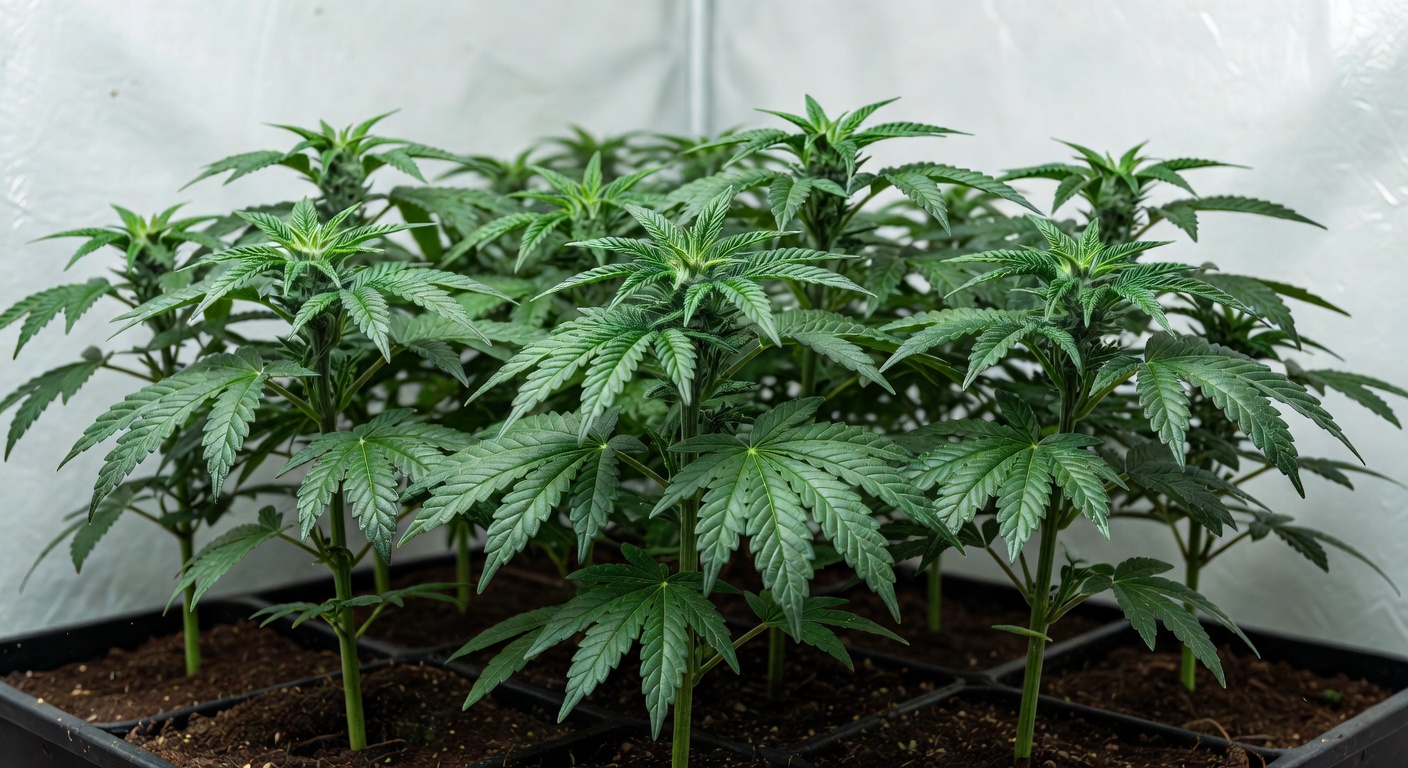
Understanding Common Cannabis Pests for Beginners
First-time growers using easy cannabis seeds often encounter pests that can quickly damage plants if left unchecked. Spider mites, aphids, and fungus gnats are among the most frequent issues in home grows. These pests thrive in indoor environments where conditions favor rapid reproduction. Early detection is key to protecting your harvest.
Identifying Spider Mites on Cannabis
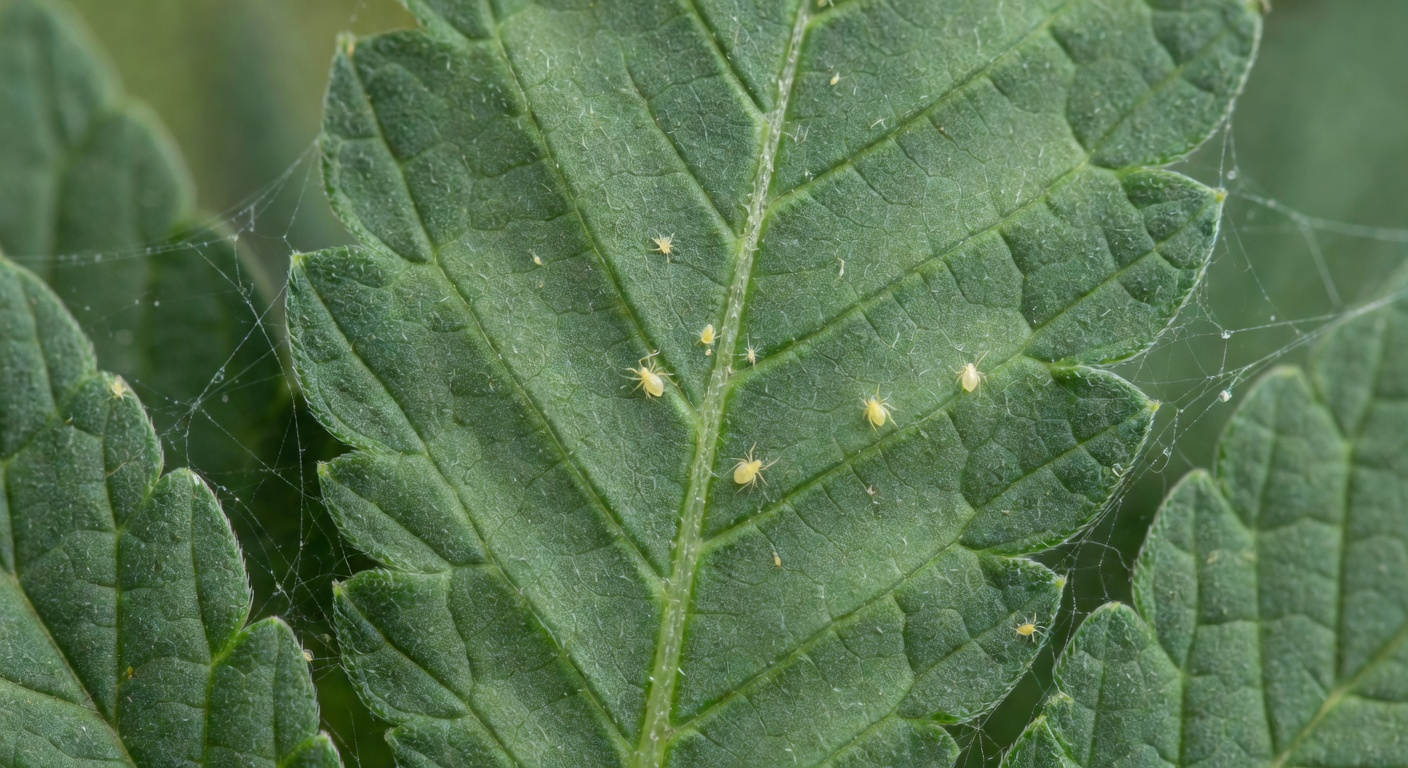
Spider mites are tiny arachnids that create fine webbing on leaf undersides. Leaves may yellow or develop stippling. Inspect regularly with a magnifying glass. They prefer warm, dry conditions common in grow tents.
Recognizing Aphids in Your Grow
Aphids cluster on new growth and stems, sucking sap and causing curled leaves. They excrete honeydew that promotes mold. Green, black, or white varieties appear on cannabis. Monitor for ants, which farm aphids.
Dealing with Fungus Gnats
Fungus gnats lay eggs in moist soil. Larvae damage roots, leading to stunted growth. Adults fly near the surface. Overwatering creates ideal breeding grounds for these pests in beginner setups.
Organic Prevention Strategies
Prevent infestations with neem oil sprays diluted in water and applied weekly. Maintain proper airflow using fans to reduce humidity pockets. Keep grow areas clean and avoid overwatering. Quarantine new plants before introducing them.
Step-by-Step Treatments for Easy Cannabis Seeds
For spider mites, wipe leaves with neem solution and increase humidity slightly. Repeat every three days. Aphids respond to insecticidal soap sprays followed by manual removal. Fungus gnats are controlled by letting soil dry between waterings and using sticky traps for adults. Always test treatments on one leaf first.
Daily Inspection Checklist
- Check leaf tops and undersides for webbing or insects.
- Look for yellowing, curling, or sticky residue.
- Examine soil surface for gnats or larvae.
- Ensure fans provide consistent airflow.
- Apply neem spray if signs appear.
- Record observations in a grow journal.
- Adjust watering based on soil dryness.
Follow this checklist from seedling through harvest to catch problems early.
Advanced Tips for Long-Term Success
Rotate neem applications with other organic options like garlic sprays. Introduce beneficial insects such as ladybugs when possible. Maintain temperatures between 70-80°F and humidity at 40-60%. These practices support robust plants from easy cannabis seeds.
Consistent monitoring combined with organic methods ensures healthy growth without harsh chemicals. For more on safe pest management, visit epa.gov and ars.usda.gov.