
Introduction to Guerrilla Growing in 2026
Guerrilla growing has evolved into a sophisticated art form for experienced cannabis cultivators seeking to produce high-quality yields without drawing attention. In 2026, with increasing legalization in many regions but persistent regulatory scrutiny in others, this method allows home growers and enthusiasts to harness the power of nature’s untamed spaces. By focusing on stealth, sustainability, and security, you can cultivate potent cannabis plants in remote outdoor environments, minimizing risks while maximizing returns.
This guide delves into advanced techniques tailored for seasoned growers. We’ll cover site selection, camouflage strategies, security measures, organic pest control, and harvesting tactics. Whether you’re in a forested wilderness or arid backcountry, these methods ensure your operation remains undetected, producing buds that rival indoor setups in quality and potency.
Stealthy Site Selection: Finding the Perfect Hidden Spot
Choosing the right location is the cornerstone of successful guerrilla growing. In 2026, satellite imagery and drone surveillance have made urban edges riskier, so prioritize remote, low-traffic areas. Look for sites with natural barriers like dense foliage, rocky terrain, or water features that obscure visibility from trails or roads.
Key factors for site selection include:
- Sunlight Exposure: Cannabis thrives with 6-8 hours of direct sun. Scout south-facing slopes in the Northern Hemisphere for optimal light without excessive exposure.
- Water Access: Proximity to streams or natural springs reduces maintenance trips. In drier climates, select spots near seasonal runoff to avoid hauling water.
- Soil Quality: Test for pH between 6.0-7.0 and good drainage. Amend with compost if needed, but avoid over-fertilizing to prevent nutrient runoff that could alert authorities.
- Accessibility: The site should be reachable via off-road paths, but not too close to public lands patrolled by rangers. Use GPS apps with offline maps for discreet navigation.
For advanced growers, consider microclimates influenced by elevation and wind patterns. Higher altitudes offer cooler temps ideal for sativas, while valleys protect against frost. Always rotate sites yearly to prevent soil depletion and detection patterns.
Assessing Risks with Modern Tools
In 2026, leverage free tools like Google Earth Pro for virtual scouting. Overlay trail maps from sources like the U.S. Forest Service website (fs.usda.gov) to identify low-use zones. Avoid areas near hunting grounds or popular hiking spots, especially during peak seasons.
Natural Camouflage: Blending Your Plants into the Wild
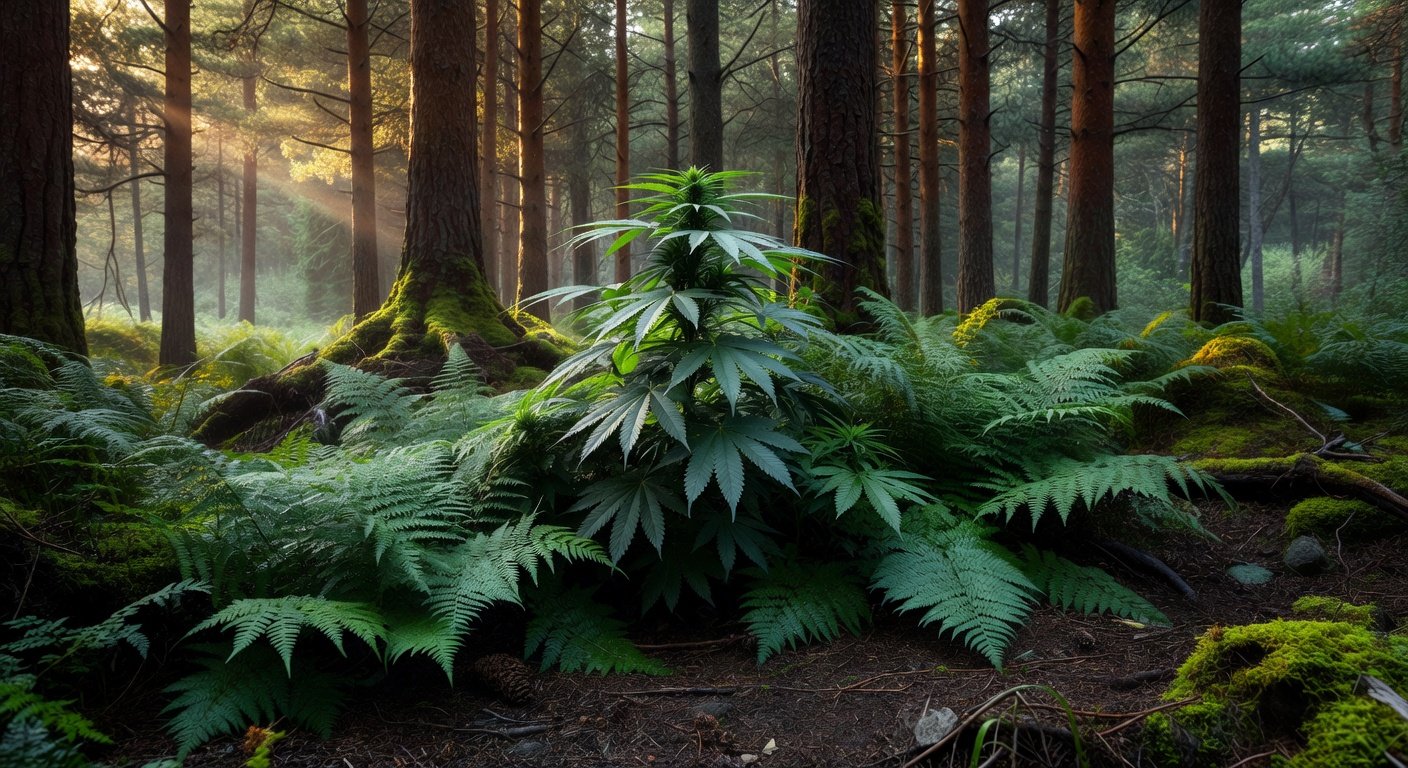
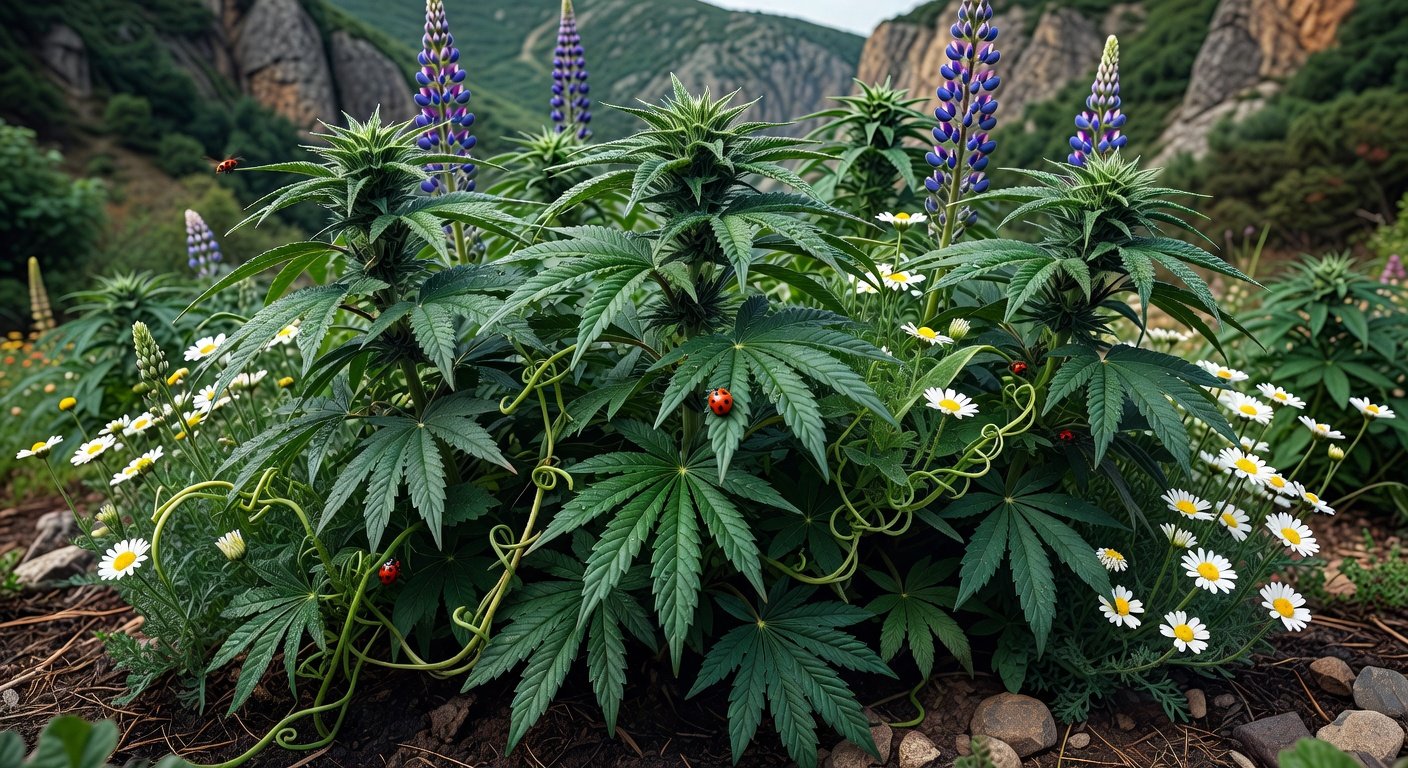
Camouflage is about more than hiding plants—it’s integrating them seamlessly into the ecosystem. Start with companion planting: surround cannabis with native species like ferns, wildflowers, or berry bushes that match growth cycles and deter herbivores.
Advanced techniques include:
- Strategic Planting: Stagger plants in irregular clusters mimicking natural vegetation. Use taller perennials to shield shorter cannabis from ground view.
- Netting and Foliage: Employ UV-resistant deer netting draped with local leaves or vines. Avoid synthetic materials that reflect light unnaturally.
- Color Adaptation: Select strains with foliage that blends—deep greens for forests, silvery hues for deserts. In 2026, new hybrid seeds from reputable banks offer stealthier phenotypes.
For extra stealth, train plants low and bushy using LST (Low-Stress Training) methods adapted outdoors. This keeps canopies below eye level, reducing silhouette risks. Remember, over-camouflage can look suspicious; aim for organic integration.
Security Measures: Protecting Your Remote Operation
Security in guerrilla growing means layered defenses against humans, animals, and elements. Install motion-activated trail cams powered by solar batteries to monitor without frequent visits. In 2026, affordable AI cams from brands like Reolink can send alerts to your phone via encrypted apps.
Human deterrence includes:
- Perimeter Alarms: DIY tripwires with bells or battery-operated sensors around the site perimeter.
- False Trails: Create decoy paths leading away from your plants to mislead intruders.
- Odor Control: Plant aromatic companions like mint or lavender to mask cannabis scents during flowering.
Against wildlife, use non-toxic repellents and fencing. For extreme security, employ scent-neutralizing sprays on access routes. Visit sites at dawn or dusk to avoid patterns, and always carry a cover story—like foraging or surveying—for plausible deniability.
Digital Security for Growers
Protect your data with VPNs when researching or mapping. Avoid social media posts about outdoor adventures near your sites. In an era of widespread surveillance, compartmentalize knowledge—don’t share coordinates even with trusted friends.
Organic Pest Control: Sustainable Defense in the Wild
Pests are inevitable outdoors, but organic methods preserve your plants’ quality and avoid chemical traces. Integrated Pest Management (IPM) combines prevention, monitoring, and targeted treatments.
Prevention starts with healthy soil: Incorporate neem cake or mycorrhizal fungi at planting to boost resilience. Monitor weekly for signs like aphids or spider mites using a hand lens.
Effective organic controls include:
- Neem Oil Sprays: Dilute with water and a drop of dish soap; apply at dusk to avoid leaf burn. Safe for beneficial insects if used sparingly.
- Beneficial Insects: Release ladybugs or predatory nematodes early in the season. Source from organic suppliers.
- Homemade Remedies: Garlic-chili sprays for caterpillars or diatomaceous earth for crawling pests. Rotate applications to prevent resistance.
For fungal issues like powdery mildew, use milk dilutions (1:9 with water) as a natural fungicide. Consult resources from the USDA’s Organic Agriculture page (usda.gov/topics/organic) for compliant practices. In remote areas, brew compost teas on-site to minimize transport.
Harvesting Strategies: Discreet and Efficient Yields
Timing is critical for potency and stealth. Harvest when 70% of pistils are brown and trichomes are mostly cloudy, typically late September to October in temperate zones. Scout with a jeweler’s loupe during low-light hours.
Discreet harvesting techniques:
- Staged Collection: Harvest in phases over days, starting with lower branches to reduce visibility.
- Transport Prep: Trim on-site using portable tools, storing buds in odor-proof vacuum bags. Backpack out small loads to avoid bulk.
- Post-Harvest Cleanup: Remove all debris, roots, and tags. Scatter mulch to restore the site naturally.
For drying, hang in shaded, ventilated wild spots or transport to a secure home setup. Cure in glass jars for 2-4 weeks to enhance flavor. Advanced growers track terpene profiles with portable testers available in 2026 for strain optimization.
Yield expectations: In ideal guerrilla setups, expect 0.5-1 pound per plant, depending on strain and conditions. Focus on quality over quantity—stealth ensures sustainability for future seasons.
Conclusion: Thriving Undetected in Nature
Guerrilla growing in 2026 demands respect for the environment, meticulous planning, and adaptive skills. By mastering site selection, camouflage, security, pest control, and harvesting, experienced cultivators can achieve bountiful, high-quality cannabis harvests while staying under the radar. Embrace the wild’s challenges for rewarding results that connect you deeply with the plant’s natural roots.
For faster cycles and easier management in remote spots, try autoflower cannabis seeds.