
Introduction to Indoor Cannabis Growing: Hydroponics vs. Soil
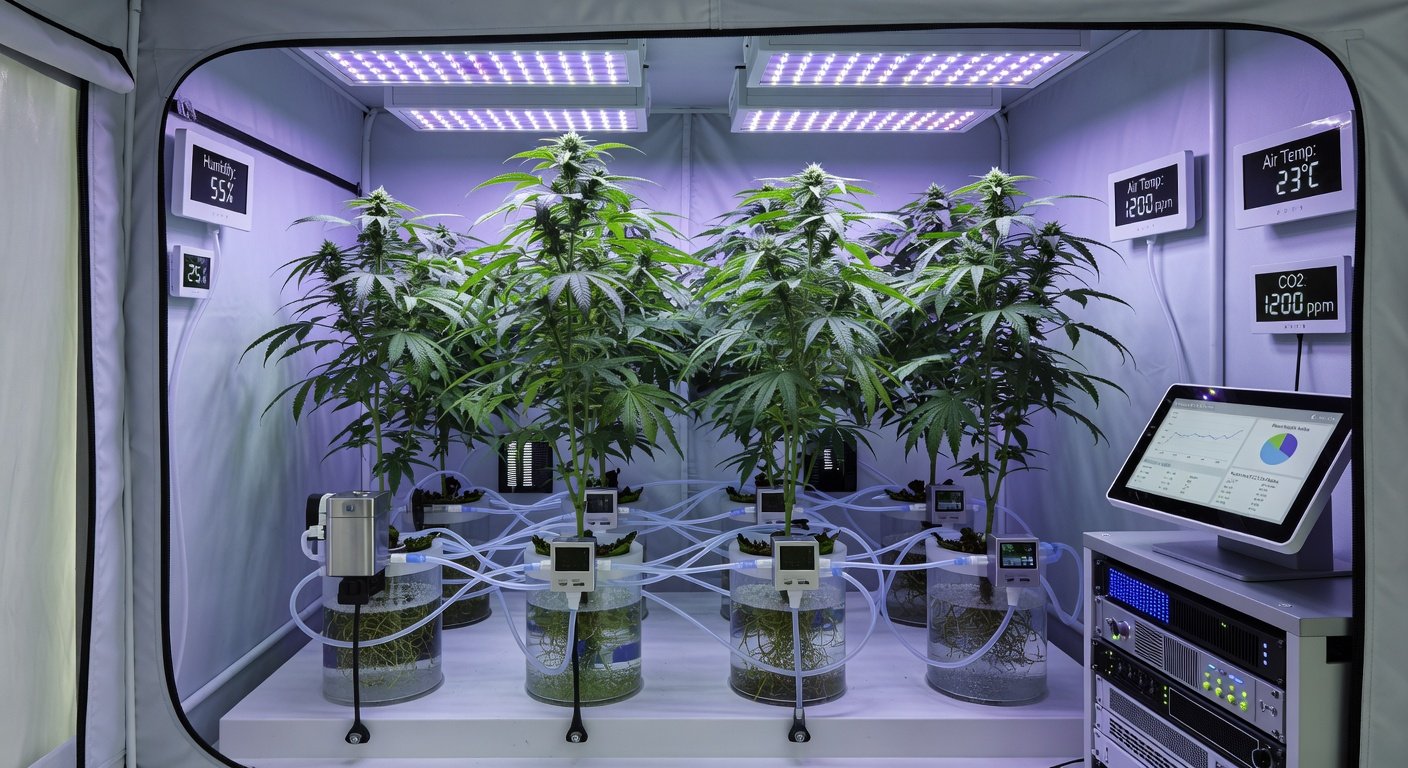
In the evolving world of indoor cannabis cultivation, growers in 2026 have more options than ever to maximize yields while minimizing environmental impact. As home enthusiasts and seasoned cultivators seek efficiency, the debate between hydroponic systems and traditional soil methods remains central. Hydroponics offers precision and speed, while soil provides a natural, forgiving foundation. This article dives deep into their differences, tackling setup challenges, nutrient management, seed integration, and advanced techniques tailored for experienced growers aiming to optimize harvests in the coming year.
With innovations like AI-monitored nutrient delivery and LED spectrum tuning hitting the market, 2026 promises breakthroughs in yield optimization. Whether you’re upgrading your grow tent or experimenting with new strains, understanding these systems is key to pushing boundaries.
Understanding the Basics: Hydroponics and Soil Systems
What is Hydroponics for Cannabis?
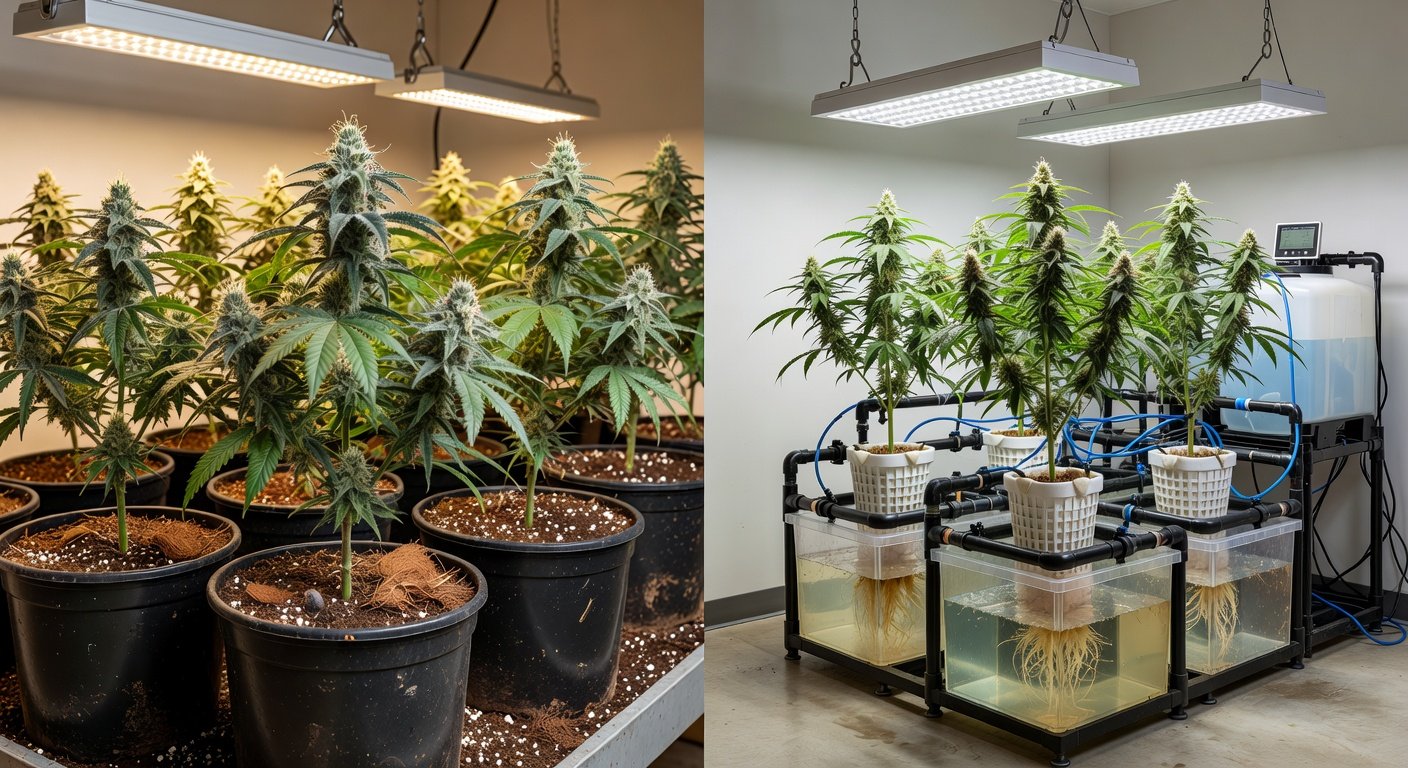
Hydroponics is a soilless method where cannabis roots are suspended in a nutrient-rich water solution, often using media like rockwool or clay pebbles for support. This approach delivers oxygen, water, and nutrients directly to the roots, bypassing soil’s buffering effects. For indoor setups, popular systems include deep water culture (DWC), nutrient film technique (NFT), and ebb-and-flow setups, all scalable for home grows.
The appeal lies in faster growth cycles—hydroponic cannabis can mature 20-30% quicker than soil-grown plants—thanks to controlled environments. In 2026, expect integrations with smart sensors that adjust pH and EC (electrical conductivity) in real-time, reducing waste and boosting potency.
Traditional Soil Growing Indoors
Soil-based cultivation mimics nature, using organic or amended potting mixes rich in microbes and humus. Roots draw nutrients slowly from the medium, fostering robust terpene profiles and resilience against minor fluctuations. For indoor cannabis, super soil mixes—pre-loaded with amendments like bat guano and worm castings—simplify the process for home growers.
While yields may lag behind hydroponics by 10-20%, soil excels in flavor complexity and lower startup costs. With 2026’s bio-engineered soils incorporating mycorrhizal fungi enhancers, this method is seeing a renaissance among enthusiasts prioritizing sustainability.
Setup Challenges: Building Your Indoor Grow Space
Hydroponics Setup Hurdles
Setting up a hydroponic system demands technical know-how and investment. You’ll need reservoirs, pumps, timers, and pH meters—initial costs can hit $500-1500 for a 4×4 tent setup. Challenges include preventing clogs in delivery lines and maintaining sterile conditions to avoid root rot from pathogens like Pythium.
Space is another factor; vertical hydro towers save floor area but require precise leveling. In 2026, modular kits with app-controlled automation ease these pains, but experienced growers must still monitor for leaks that could flood grows. Ventilation is crucial—pair with inline fans and carbon filters to manage humidity at 40-60%.
Soil Setup Considerations
Soil setups are more straightforward, starting with fabric pots and quality grow bags filled with a 70/30 coco coir-perlite blend for drainage. Costs are lower, around $200-500, but challenges arise from overwatering and pest infiltration in organic media. Indoor soil grows need excellent airflow to prevent mold, especially in dense canopies.
For 2026 innovations, automated irrigation like drip systems adapted for soil reduces manual labor. However, pH swings from tap water can lock out nutrients, so regular testing with kits is essential. Both methods benefit from reflective walls and full-spectrum LEDs, but soil forgives beginner errors better.
Nutrient Management: Fueling Your Cannabis Plants
Nutrients in Hydroponic Systems
Hydroponics shines in nutrient precision. Use water-soluble formulas like General Hydroponics Flora series, mixing A/B bases with bloom boosters for vegetative and flowering stages. Monitor EC at 1.0-2.5 mS/cm and pH between 5.5-6.5 to ensure uptake—deviations cause deficiencies like yellowing leaves from nitrogen lockout.
Advanced 2026 techniques include chelated micronutrients and AI apps that predict needs based on strain genetics. Change reservoirs weekly to prevent buildup, and incorporate beneficial bacteria like Hydroguard for root health. This method yields denser buds but requires vigilance; overfeeding leads to tip burn.
Nutrient Strategies for Soil Grows
Soil nutrients come from slow-release organics or synthetics, with compost teas providing microbial boosts. Aim for pH 6.0-7.0, as soil buffers extremes. Use products like FoxFarm Ocean Forest for veg, transitioning to Big Bloom for flower—feed every 1-2 weeks, letting soil dry between waterings.
Challenges include salt accumulation from hard water; flush with plain water monthly. In 2026, enhanced organic lines with nano-emulsified delivery improve absorption without synthetic harshness. Soil’s ecosystem recycles nutrients naturally, reducing waste, but testing runoff EC helps avoid toxicities.
For deeper insights on sustainable nutrient practices, check the EPA’s guidelines on sustainable agriculture, adaptable to indoor cannabis.
Integrating Indoor Seeds: From Germination to Harvest
Seed Selection and Germination
Choosing feminized or auto-flowering seeds optimized for indoors is crucial. For hydroponics, opt for compact indicas like Northern Lights that thrive in confined roots. Soil suits sativa-dominant hybrids for deeper root runs. In 2026, gene-edited seeds resistant to powdery mildew are emerging—source from reputable banks like Seedsman or ILGM.
Germinate in rockwool cubes for hydro or jiffy pellets for soil, maintaining 70-80°F and 70% humidity under a dome. Transplant hydro seedlings after 1-2 weeks into net pots; soil plants can stay longer in starters.
Growth Stages and Adaptation
Vegetative phase: 18/6 light cycle for both, but hydro plants stretch less with CO2 enrichment up to 1200 ppm. Flowering flips to 12/12; hydro’s faster cycle (8-10 weeks) vs. soil’s 9-12 allows multiple harvests yearly.
Integrate seeds by scouting for low-odor strains in shared spaces. Use trellising for SCROG in both to maximize light penetration, boosting yields 20-30%.
Advanced Techniques for Yield Optimization in 2026
Cutting-Edge Innovations
For experienced growers, 2026 brings plasma lighting that mimics sunlight spectra, increasing cannabinoid production by 15%. In hydro, closed-loop systems recycle water, cutting usage by 90%—pair with reverse osmosis filters for purity.
Soil growers can adopt aerated compost extracts for microbial diversity, enhancing terpenes. AI grow journals track data, predicting harvests with 95% accuracy.
Yield-Boosting Strategies
- Pruning and Training: LST (low-stress training) in hydro for even canopies; topping in soil for bushier plants.
- CO2 Supplementation: Essential for hydro yields over 1g/watt; vent in soil to avoid excess.
- Pest Management: Neem oil for soil, beneficial insects like ladybugs; UV sterilizers for hydro reservoirs.
Combine with strain-specific feeding—e.g., high-THC autos in hydro for quick turns. Expect 400-600g/m² in optimized setups.
Research from USDA’s hydroponics resources supports these efficiencies for controlled environments.
Recommendations for Experienced Home Growers
If you’re yield-focused, start with hydro for its scalability, but master pH first. Soil is ideal for flavor chasers, especially with organic certifications rising in 2026. Hybrid approaches, like soil-less coco in hydro reservoirs, blend benefits.
Invest in quality seeds and monitor with tools like Bluelab meters. Join communities on Reddit’s r/microgrowery for tips. With climate regs tightening, prioritize low-water methods for sustainability.
Conclusion
Hydroponics edges out in speed and control, while soil offers simplicity and taste. For 2026, blend innovations to suit your setup—yields await those who adapt. Happy growing!