
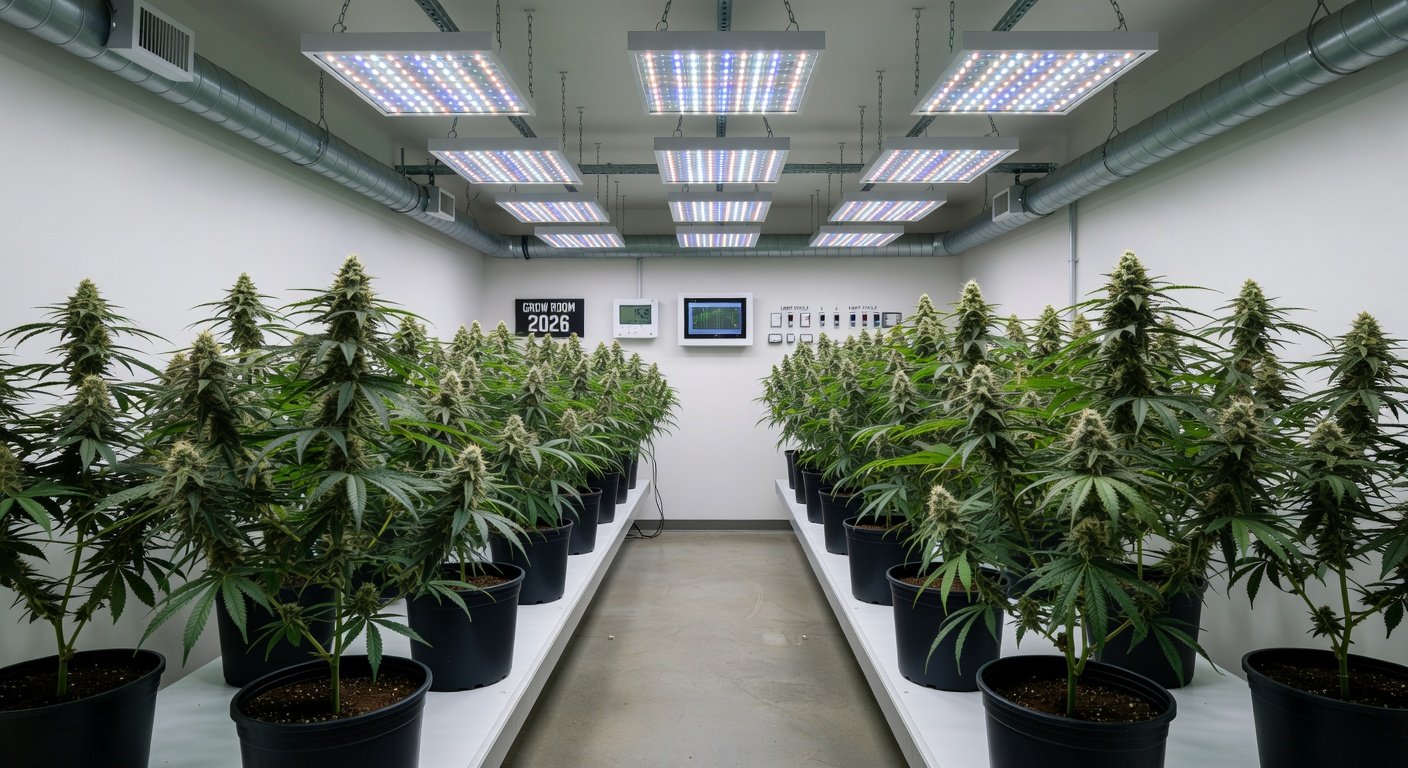
Introduction to Advanced Feminized Seed Cultivation in 2026
In 2026, the cannabis cultivation landscape has evolved with smarter breeding and sustainable practices, making feminized seeds a cornerstone for home growers seeking high-potency harvests without the hassle of male plants. Feminized seeds, genetically engineered to produce only female plants, offer up to 99.9% reliability, allowing enthusiasts to focus on yield optimization rather than sexing plants. This guide dives into advanced methods tailored for experienced cultivators, covering precise light cycles for photoperiod strains, stress training techniques to enhance bud production, strategies to prevent hermaphroditism, and comparisons with traditional growing approaches. Whether you’re upgrading your setup for maximum efficiency or experimenting with 2026’s latest trends like automated nutrient delivery, these tips will elevate your grow.
Understanding Feminized Seeds: Why They’re Ideal for Advanced Growers
Feminized seeds revolutionized cannabis growing by eliminating the need to identify and remove males, saving space and resources in home setups. Derived from stressing female plants to produce pollen for self-pollination, these seeds ensure female offspring that develop the resin-rich buds prized for potency. In 2026, advancements in seed banks like those from Leafly-recommended breeders have increased resistance to environmental stressors, making them perfect for indoor and outdoor cultivation. However, advanced growers must still manage genetics carefully to avoid reverting to hermaphroditic traits under duress.
Compared to regular seeds, which yield about 50% males, feminized options streamline the process but require vigilant monitoring. Traditional growers using regulars often cull males early, a labor-intensive step that feminized seeds bypass, allowing more energy toward yield-boosting techniques.
Selecting High-Quality Feminized Seeds for 2026
Choose strains from reputable sources with verified genetics. Look for photoperiod feminized seeds if you want control over flowering, or autoflowering variants for quicker cycles. In 2026, popular choices include high-THC hybrids like Gorilla Glue or CBD-rich options for therapeutic grows. Test seed viability by floating them in water—sinkers are prime candidates.
Precise Light Cycles for Photoperiod Feminized Cannabis
Photoperiod feminized seeds thrive on manipulated light schedules, mimicking natural seasonal changes to trigger flowering. Unlike autoflowers, which bloom automatically, photoperiods allow growers to extend vegetative growth for larger plants and bigger yields.
Vegetative Stage: Building a Strong Foundation
Maintain 18-24 hours of light daily during veg to promote robust growth. In 2026, LED grow lights with full-spectrum output are standard, providing energy-efficient illumination that reduces heat stress. Aim for 250-400 PPFD (photosynthetic photon flux density) at canopy level for optimal photosynthesis without light burn. Use timers for consistency—interruptions can cause foxtailing or reduced potency.
- 18/6 cycle: Ideal for faster veg in small spaces, yielding bushy plants.
- 24/0 cycle: Maximizes growth for advanced setups with CO2 supplementation, potentially increasing yields by 20-30%.
Monitor with a PAR meter to ensure even coverage, adjusting heights as plants stretch.
Flowering Stage: Timing for Peak Potency
Switch to 12/12 (12 hours light, 12 hours uninterrupted darkness) to induce flowering. This cycle triggers hormonal shifts, with buds forming in 8-10 weeks depending on strain. In 2026, smart grow systems integrate apps for automated flips, preventing light leaks that could revert plants to veg or induce hermies.
Advanced tip: Use a gradual transition from 14/10 to 12/12 over a week to reduce shock, enhancing resin production. For high-efficiency grows, incorporate UV-B lights in the last 2-3 weeks to boost THC levels by up to 15%, as supported by studies from the National Center for Biotechnology Information (NCBI).
Traditional methods relied on natural sunlight, but indoor precision in 2026 allows year-round control, outperforming seasonal limitations.
Stress Training Techniques to Enhance Yields
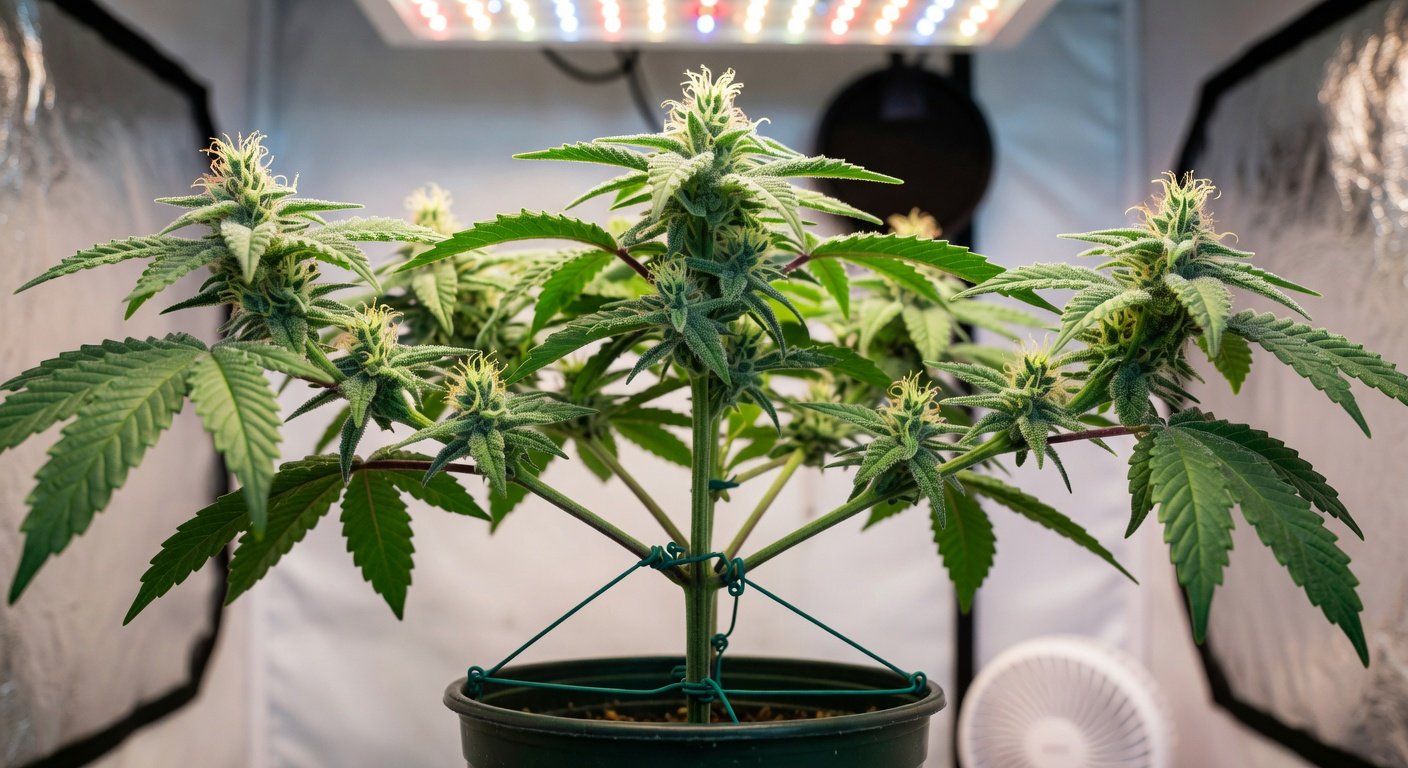
Stress training (LST) manipulates plant structure to expose more bud sites to light, increasing yields without added height—crucial for stealthy home grows. For feminized seeds, which can stretch vigorously, these methods prevent apical dominance and promote even canopies.
Low-Stress Training (LST) Basics and Advanced Applications
Bend and tie main stems horizontally using soft plant ties during early veg. This creates a flat canopy, improving light penetration and airflow. In 2026, reusable silicone ties and automated trellis systems make this easier for multi-plant setups.
- Start at week 3 of veg: Gently bend the top and secure to the pot edge.
- Repeat every 2-3 days, training new growth outward.
- Combine with SCROG (Screen of Green): Install a net 20-30cm above soil to weave branches through, maximizing space efficiency.
Expect 20-50% yield boosts; feminized plants respond well due to their vigor, unlike traditional regulars that might herm under stress.
High-Stress Training (HST) for Maximum Efficiency
For experienced growers, HST like topping or fimming cuts the main stem to create multiple colas. Top once at node 4-5, then again on new tops for 8-16 sites. Main-lining, a 2026 favorite, involves precise pruning to form a manifold, directing energy equally.
Recovery takes 7-10 days, but results in denser buds with higher cannabinoid profiles. Always sterilize tools to avoid pathogens— a common pitfall in traditional hand-pruning methods.
Compared to no training, these techniques can double yields in limited spaces, making them essential for urban home growers.
Preventing Hermaphroditism in Female Plants
Hermaphroditism, where females develop male pollen sacs, ruins harvests by seeding buds and reducing potency. In feminized seeds, it’s often genetic but triggered by stress. Prevention is key for 2026’s high-stakes grows aiming for premium flower.
Common Triggers and Avoidance Strategies
Light leaks, nutrient imbalances, and temperature swings (above 28°C or below 18°C) are culprits. Maintain stable environments: 20-26°C daytime, 60-70% humidity in veg, dropping to 40-50% in flower.
- Genetics first: Source from stable breeders; avoid cheap seeds prone to herming.
- Nutrient management: Use pH-balanced feeds (5.8-6.5 hydro, 6.0-7.0 soil) to prevent lockout.
- Stress minimization: Avoid overwatering or root-bound pots; employ gentle training only.
Monitor daily for bananas (yellow pollen sacs)—remove affected parts immediately. In advanced setups, use UV stress judiciously to build resilience without tipping into hermie territory.
Traditional growing with regulars faced higher risks from male pollen, but feminized prevention focuses on environmental precision, a clear upgrade for efficiency.
Comparing Advanced vs. Traditional Approaches
Traditional cannabis cultivation involved outdoor plots with natural light and manual sexing, yielding variable results based on weather. Feminized seeds shift to controlled indoors, where light cycles and training yield predictable, potent crops.
Pros of advanced methods:
- Higher efficiency: 1.5-2g/watt vs. traditional 0.5g/watt.
- Potency focus: Targeted stressors enhance terpenes and cannabinoids.
- Sustainability: LEDs and recycling cut energy use by 40% in 2026.
Cons: Initial setup costs more, but ROI comes quickly with max yields. For home growers, blending both—e.g., outdoor veg with indoor flower—offers hybrid benefits.
Expert Tips for Maximum Potency and Efficiency in 2026
To push boundaries, integrate hydroponics for faster nutrient uptake, yielding 20% more than soil. CO2 enrichment (800-1200ppm) during lights-on supercharges growth, but ventilate properly.
Harvest at 20-30% cloudy trichomes for peak THC. Dry and cure in glass jars for 2-4 weeks to preserve terpenes. Track with apps like GrowBuddy for data-driven tweaks.
For potency, select strains with myrcene-dominant profiles and use molasses in late flower for microbial boosts. Efficiency tip: Reuse runoff water in recirculating systems to save resources.
In 2026, community forums emphasize organic amendments like compost teas over synthetics for cleaner, more flavorful buds. Always comply with local laws—check resources from organizations like NORML for updates.
By mastering these techniques, experienced growers can achieve 500g/m² yields with 25%+ THC, turning home cultivation into a fine art.