
Introduction to Indoor vs Outdoor Cannabis Cultivation
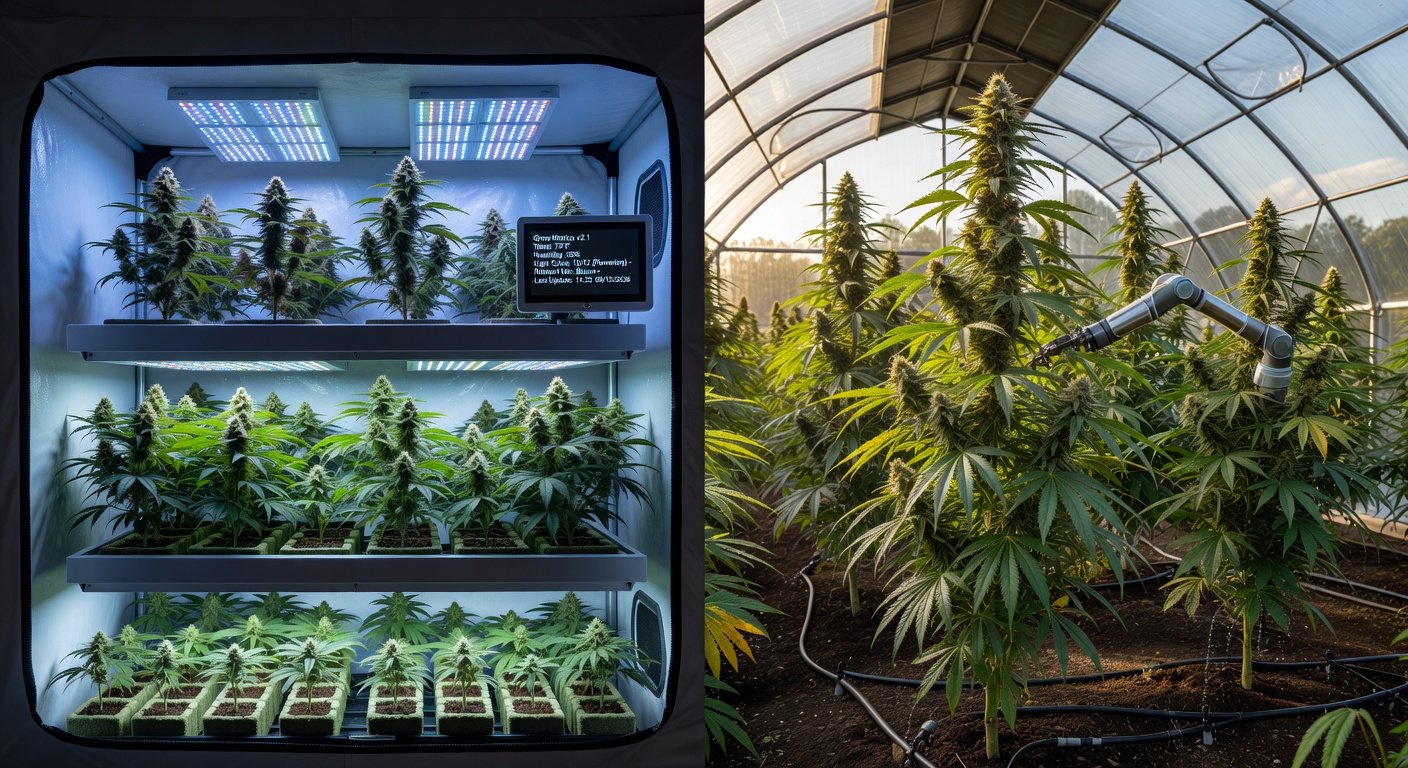
In 2026, cannabis cultivation has evolved with cutting-edge technology and sustainable practices, making it easier for home growers to produce high-quality buds. Whether you’re a seasoned enthusiast or a beginner, choosing between indoor and outdoor methods depends on your goals, resources, and local climate. This guide compares the two approaches, focusing on yield potential, environmental impact, and setup costs. We’ll also explore advanced techniques like smart lighting for indoors and climate-adaptive strategies for outdoors to help you decide the best fit.
Indoor growing offers total control in a protected environment, while outdoor cultivation leverages natural sunlight and space. Both have unique benefits and challenges, especially as regulations evolve and technology advances. Let’s dive into the details.
Indoor Cannabis Cultivation: Controlled Environments
Indoor growing involves setting up a dedicated space like a grow tent, room, or hydroponic system inside your home. This method has surged in popularity due to its discretion and year-round potential.
Benefits of Indoor Growing
- Yield Potential: With optimized conditions, indoor setups can produce multiple harvests per year. Expect 400-600 grams per square meter per cycle using high-efficiency LEDs, compared to one or two outdoor harvests.
- Environmental Control: You dictate light cycles, temperature (ideal 70-85°F), humidity (40-60%), and nutrients, leading to consistent, potent strains without weather interference.
- Pest and Disease Management: Enclosed spaces allow for early detection and organic treatments, reducing losses.
Setup costs start at $500 for basic tents and lights but can reach $5,000 for advanced systems. Ongoing electricity bills are a factor, averaging $100-300 monthly for a small operation.
Drawbacks of Indoor Growing
- High Energy Use: Lights and fans consume significant power, contributing to a larger carbon footprint unless using renewable sources.
- Space Limitations: Home growers are confined to available indoor area, limiting scale.
- Initial Investment: Quality equipment like ventilation and CO2 systems adds up quickly.
Advanced Techniques for 2026: Smart Lighting
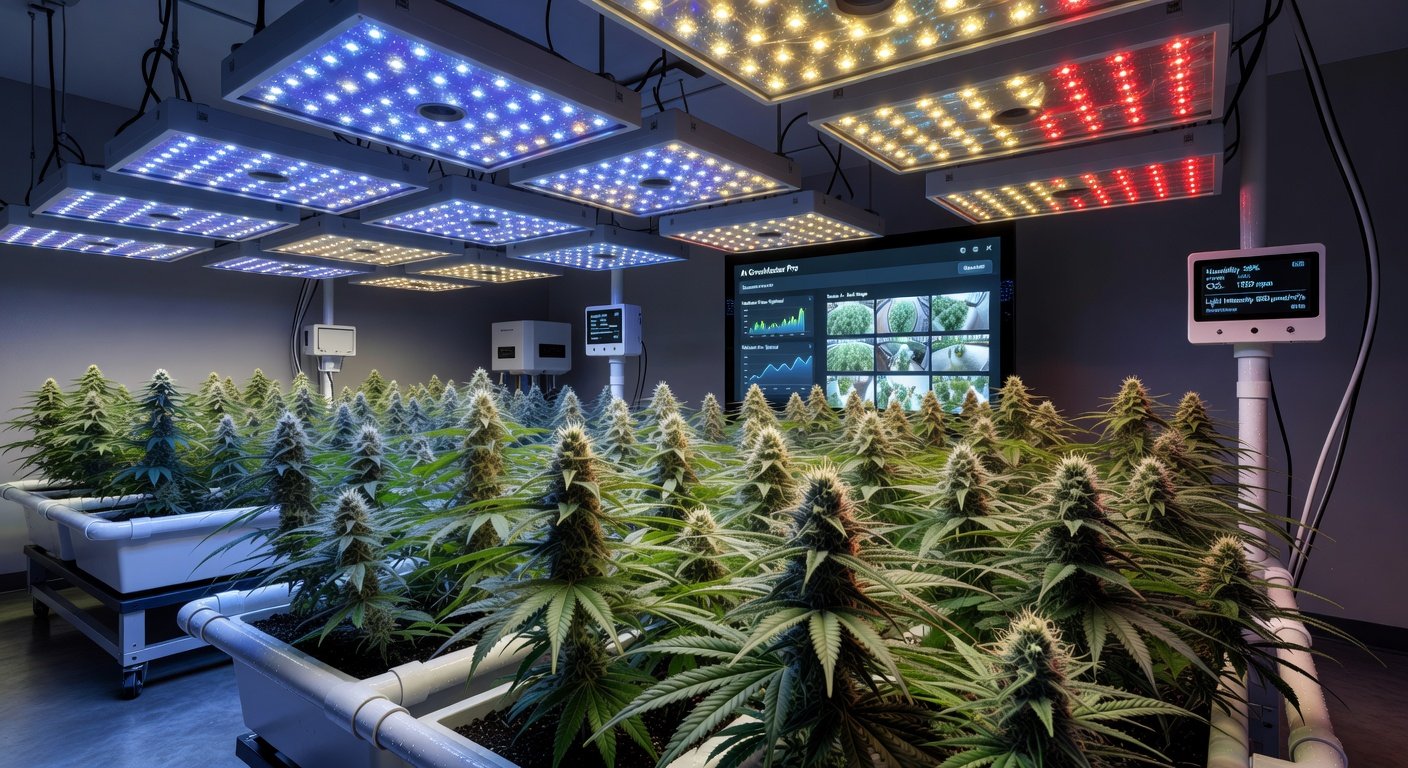
By 2026, smart lighting systems integrated with AI have revolutionized indoor cultivation. Devices like automated LED grow lights from brands such as Mars Hydro adjust spectrum and intensity based on plant growth stages via apps. These systems use sensors to mimic sunlight, optimizing photosynthesis for up to 20% higher yields. Pair them with IoT humidity controllers for a fully automated setup. For eco-conscious growers, solar-powered backups reduce reliance on the grid. According to the U.S. Department of Energy, energy-efficient LEDs can cut consumption by 50% compared to older HPS lights—check their guidelines at energy.gov.
Implementing smart lighting involves installing compatible fixtures and connecting to a central hub. Start with a 4×4 tent for beginners, scaling as you learn.
Outdoor Cannabis Cultivation: Harnessing Nature
Outdoor growing uses natural elements, planting in gardens, pots, or greenhouses. It’s ideal for those with land and favorable climates, offering a more organic approach.
Benefits of Outdoor Growing
- Yield Potential: Larger plants thrive under the sun, yielding 500-1000 grams per plant in ideal conditions, often surpassing indoor outputs for space-efficient growers.
- Lower Costs: Minimal equipment needed—seeds, soil, and water. Initial setup under $200, with negligible energy costs.
- Environmental Synergy: Natural pollination and biodiversity enhance terpene profiles, producing robust, flavorful cannabis.
Outdoor methods align with sustainable practices, reducing artificial inputs and promoting soil health through companion planting.
Drawbacks of Outdoor Growing
- Weather Dependency: Rain, frost, or heatwaves can ruin crops; seasonal limitations mean harvests in late summer/fall.
- Pest Exposure: Insects and molds are harder to control without enclosures, potentially lowering yields by 30%.
- Legal and Privacy Issues: Visibility concerns in non-legal areas, though 2026 sees more states allowing home grows.
Advanced Techniques for 2026: Climate-Adaptive Strategies
Climate change demands resilience, and 2026 innovations include genetically adaptive seeds and smart outdoor tech. Choose auto-flowering or resilient strains like those from breeders focusing on drought tolerance. Install rain sensors and automated irrigation systems that adjust based on weather forecasts via apps like those from Rain Bird. Greenhouses with UV-protective covers and windbreaks shield plants from extremes. For hotter regions, shade cloths and mycorrhizal fungi inoculants boost root health, increasing water efficiency by 25%.
Integrate permaculture principles: Use companion plants like basil to deter pests naturally. The EPA highlights how such practices minimize chemical use—learn more at epa.gov. Monitor soil pH with portable kits and amend with compost for nutrient-rich earth.
Direct Comparison: Key Factors in 2026
Yield Potential
Indoors excel in controlled, frequent harvests but require space optimization. Outdoors offer bigger plants and potentially higher total yields for patient growers. In 2026, hybrid approaches like indoor starts followed by outdoor finishing maximize both, yielding 20-30% more.
Environmental Impact
Indoor growing’s energy demands contribute to higher emissions—up to 1,000 kWh per kg of cannabis—unless offset by solar. Outdoors have a lower footprint but risk water overuse or soil degradation if not managed. Sustainable tips: Use rainwater harvesting outdoors and energy audits indoors to align with global eco-standards.
Setup and Ongoing Costs
Indoors demand $1,000-10,000 upfront for tech-heavy setups, with $50-200 monthly utilities. Outdoors are budget-friendly at $100-500 start, mostly free thereafter. ROI favors outdoors for large-scale home grows, but indoors pay off in premium, consistent quality.
Table for quick reference:
- Factor | Indoor | Outdoor
- Yield | High frequency, medium size | Low frequency, large size
- Env Impact | High energy | Low, weather-dependent
- Costs | High initial/ongoing | Low overall
Choosing the Best Approach for You
For urban home growers with limited space, indoor setups with smart lighting provide reliability. Rural enthusiasts with yards should opt for outdoors, incorporating climate-adaptive tools. Consider your climate: Mediterranean zones favor outdoors; northern areas benefit from indoors. Budget-wise, start small outdoors to test, then invest indoors for expansion.
Hybrid models are trending in 2026—germinate indoors, transplant out for natural vigor. Always check local laws; resources like NORML offer state-specific advice.
Conclusion
Indoor and outdoor cannabis cultivation each shine in different scenarios, balancing yield, sustainability, and cost. With 2026’s advancements, growers can mitigate drawbacks through tech and strategy. Experiment to find your groove, prioritizing quality and eco-friendliness for bountiful, responsible harvests.