
Beginner’s Guide to Outdoor Cannabis Growing in 2026
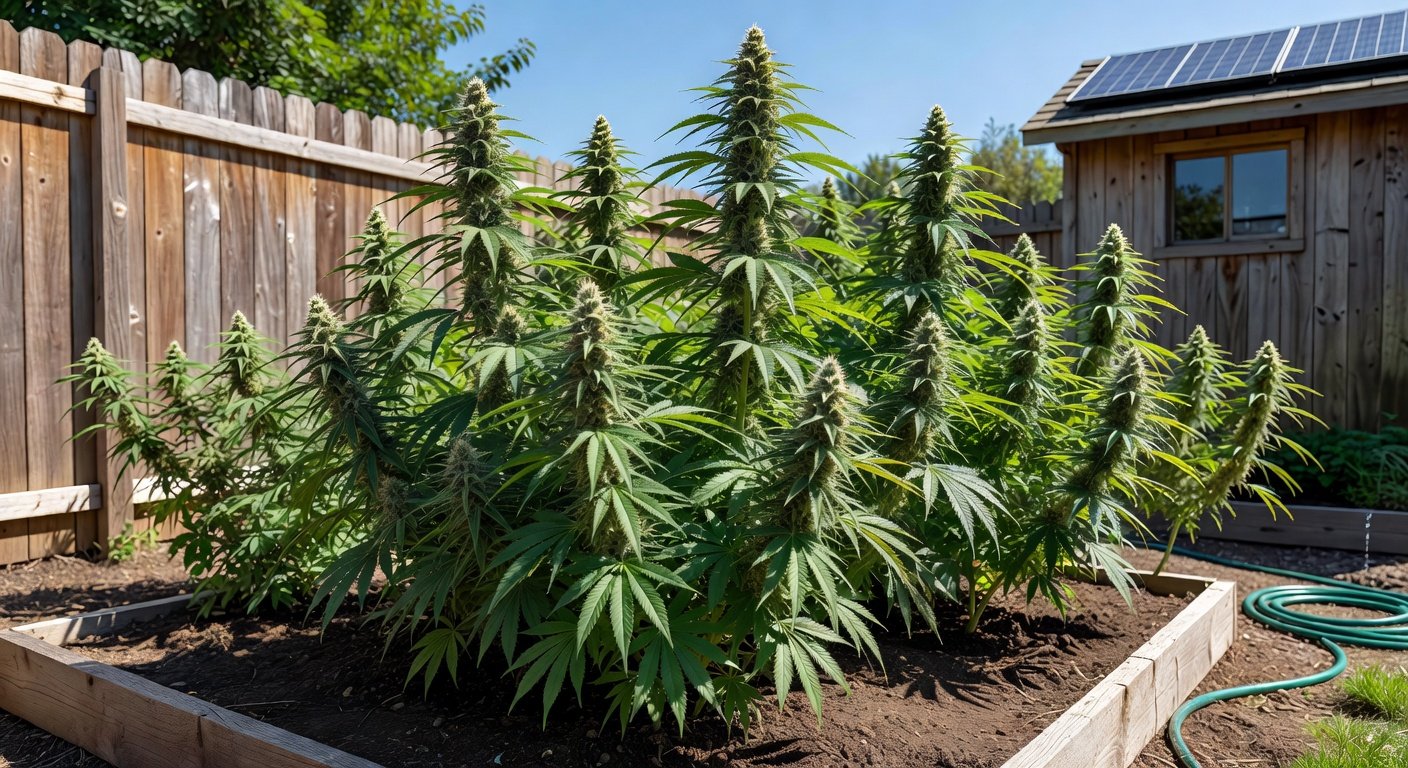
Outdoor cannabis cultivation offers a rewarding way for home growers to connect with nature while producing high-quality buds. In 2026, with expanding legalization across many regions, more enthusiasts are turning to the great outdoors for their grows. This guide breaks down the essentials for beginners, from seed selection to harvest, while addressing common challenges and legal must-knows. Whether you’re in a sunny backyard or a discreet garden plot, these steps will help you achieve success sustainably.
Selecting the Right Outdoor Seeds
Choosing the perfect seeds is the foundation of a successful outdoor grow. For beginners, opt for strains bred specifically for outdoor environments, as they thrive in natural sunlight and varying conditions. In 2026, seed banks emphasize feminized and autoflowering varieties to simplify the process and maximize yields.
Start by considering your climate. Indica-dominant strains like Northern Lights or Granddaddy Purple suit cooler, shorter-season areas, while sativa hybrids such as Blue Dream or Durban Poison excel in warmer, longer summers. Look for seeds with high THC or CBD content based on your preferences—many modern seeds offer balanced profiles for medical or recreational use.
- Feminized seeds: Ensure nearly all plants are female, reducing the need to identify and remove males.
- Autoflowers: These flower automatically after a set period, ideal for beginners avoiding light cycle management.
- High-yield options: Strains like Critical Mass can produce up to 500g per plant outdoors.
Source seeds from reputable genetics providers. Always check for germination guarantees and lab-tested purity to avoid issues with mold or low viability. Remember, quality seeds lead to resilient plants that withstand outdoor stresses better.
Preparing Your Soil
Healthy soil is crucial for outdoor cannabis, as it provides nutrients, drainage, and microbial life that synthetic mediums can’t match. Beginners should aim for loamy soil—a mix of sand, silt, and clay—that retains moisture without waterlogging.
Test your soil’s pH first; cannabis prefers 6.0–7.0 for optimal nutrient uptake. Use a home kit or send a sample to a local extension service. Amend acidic soils with lime and alkaline ones with sulfur. Incorporate organic matter like compost, worm castings, or aged manure to boost fertility. Avoid fresh manure, which can burn roots with excess nitrogen.
- Clear the site: Remove weeds, rocks, and debris from your grow area. Choose a spot with 6–8 hours of direct sunlight daily and good air circulation to prevent mold.
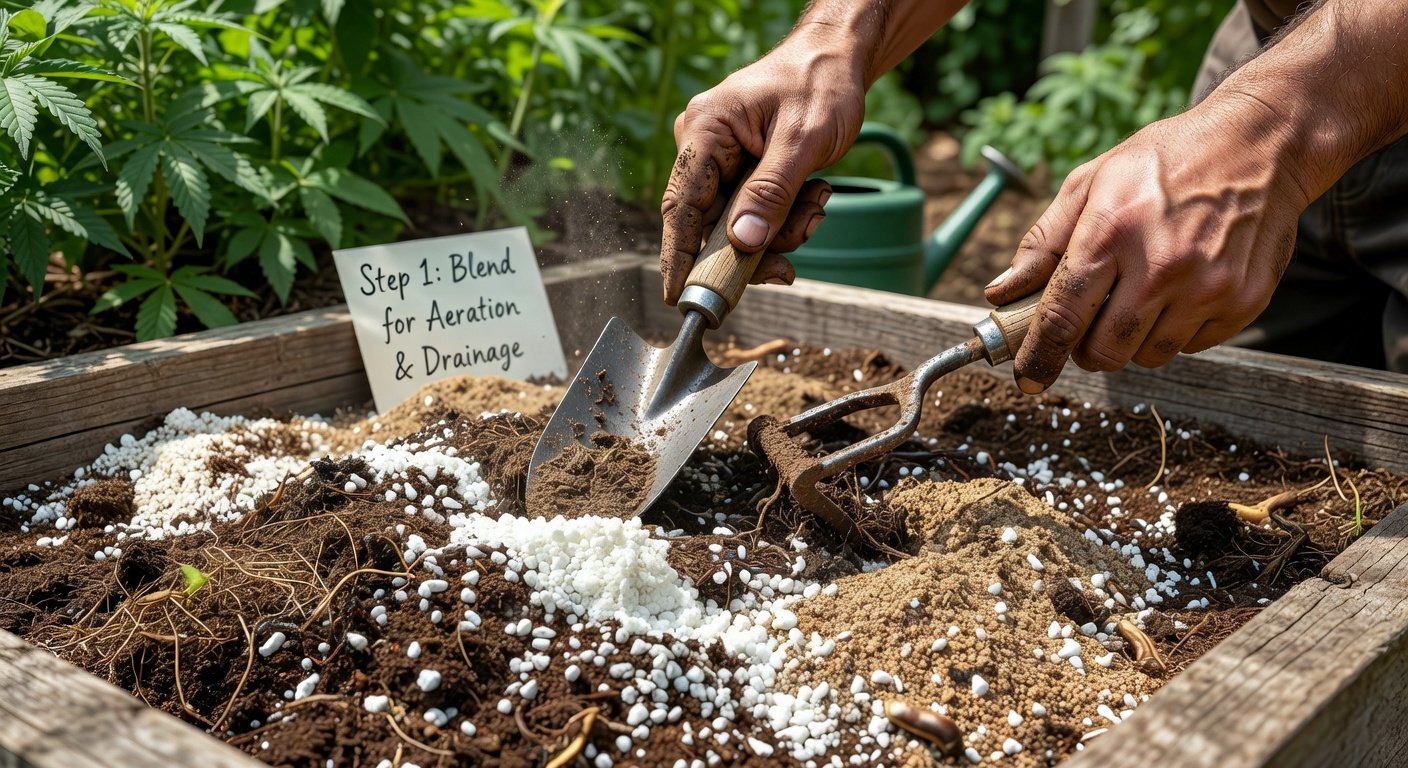
- Build raised beds if needed: In poor native soil, construct 4×4-foot beds filled with a custom mix: 40% topsoil, 30% compost, 20% perlite for drainage, and 10% coco coir for aeration.
- Add nutrients slowly: Mix in slow-release organics like bat guano for phosphorus during flowering. For more on soil health, consult resources from the EPA’s soil management guidelines.
Prepare soil in early spring to allow it to settle. Mulch with straw or wood chips to retain moisture and suppress weeds, setting the stage for vigorous root development.
Basic Plant Care for Outdoor Success
Once planted, consistent care keeps your cannabis thriving through its lifecycle: vegetative growth (4–8 weeks) and flowering (8–10 weeks). Germinate seeds indoors under a CFL light for 1–2 weeks, then transplant outdoors after the last frost—typically mid-May in temperate zones.
Water deeply but infrequently, aiming for soil that’s moist like a wrung-out sponge. Overwatering leads to root rot, so check the top inch before adding more. In hot spells, morning watering minimizes evaporation. Fertilize sparingly: use a balanced NPK (nitrogen-phosphorus-potassium) formula like 10-10-10 during veg, switching to bloom boosters (5-10-15) later.
- Training techniques: Low-stress training (LST) by tying branches encourages bushy growth and higher yields without stressing plants.
- Pruning: Remove lower leaves and fan leaves during flowering to improve airflow and light penetration.
- Monitoring growth: Track height—outdoor plants can reach 6–10 feet. Support tall strains with stakes to prevent wind damage.
Harvest when 70% of pistils have darkened and curled, usually late September to October. Dry buds in a dark, ventilated space for 5–7 days, then cure in jars for optimal flavor and potency.
Common Pitfalls and How to Avoid Them
Outdoor growing exposes plants to nature’s unpredictability, but awareness of pitfalls empowers beginners to adapt.
Weather Challenges
Excessive rain, heatwaves, or early frosts can derail your grow. In 2026, climate variability is more pronounced, so select weather-resistant strains. Install row covers or hoop houses for frost protection, and use shade cloth during heat above 85°F to prevent sunburn. Monitor forecasts via apps and have a contingency plan, like moving potted plants indoors during storms.
Pest Management
Common invaders include aphids, spider mites, and caterpillars. Inspect plants weekly, focusing on undersides of leaves. Employ organic controls: neem oil sprays for aphids, or introduce beneficial insects like ladybugs. Companion planting with marigolds or basil deters pests naturally. Avoid chemicals near harvest to preserve bud quality. For integrated pest management tips, refer to guidelines from USDA resources.
Other pitfalls: Overcrowding leads to poor airflow and disease; space plants 3–5 feet apart. Nutrient lockout from pH imbalances causes yellowing—flush soil with pH-balanced water to correct.
Legal Considerations for Growing Cannabis Outside in 2026
By 2026, cannabis legalization has progressed, but regulations vary widely. In the US, federal law still classifies it as Schedule I, though many states allow home cultivation. For instance, up to six plants per adult in places like California or Colorado. Always verify local limits—some municipalities cap plant numbers or require permits for outdoor grows.
Internationally, countries like Canada permit four plants per household, while others like Germany allow limited home grows under the 2024 Cannabis Act. Stealth is key in semi-legal areas: Use natural borders like hedges for privacy and avoid strong odors with carbon filters if needed.
Stay informed via authoritative sources. The NORML legal database provides up-to-date state-by-state info. Complying ensures your hobby remains enjoyable and penalty-free. Note: This isn’t legal advice—consult local authorities or a lawyer for specifics.
Outdoor growing in 2026 blends tradition with modern ease, yielding potent, terpene-rich cannabis at a fraction of indoor costs. Start small, learn from each season, and enjoy the process. With patience and these fundamentals, your first harvest could be bountiful and beginner-friendly.