
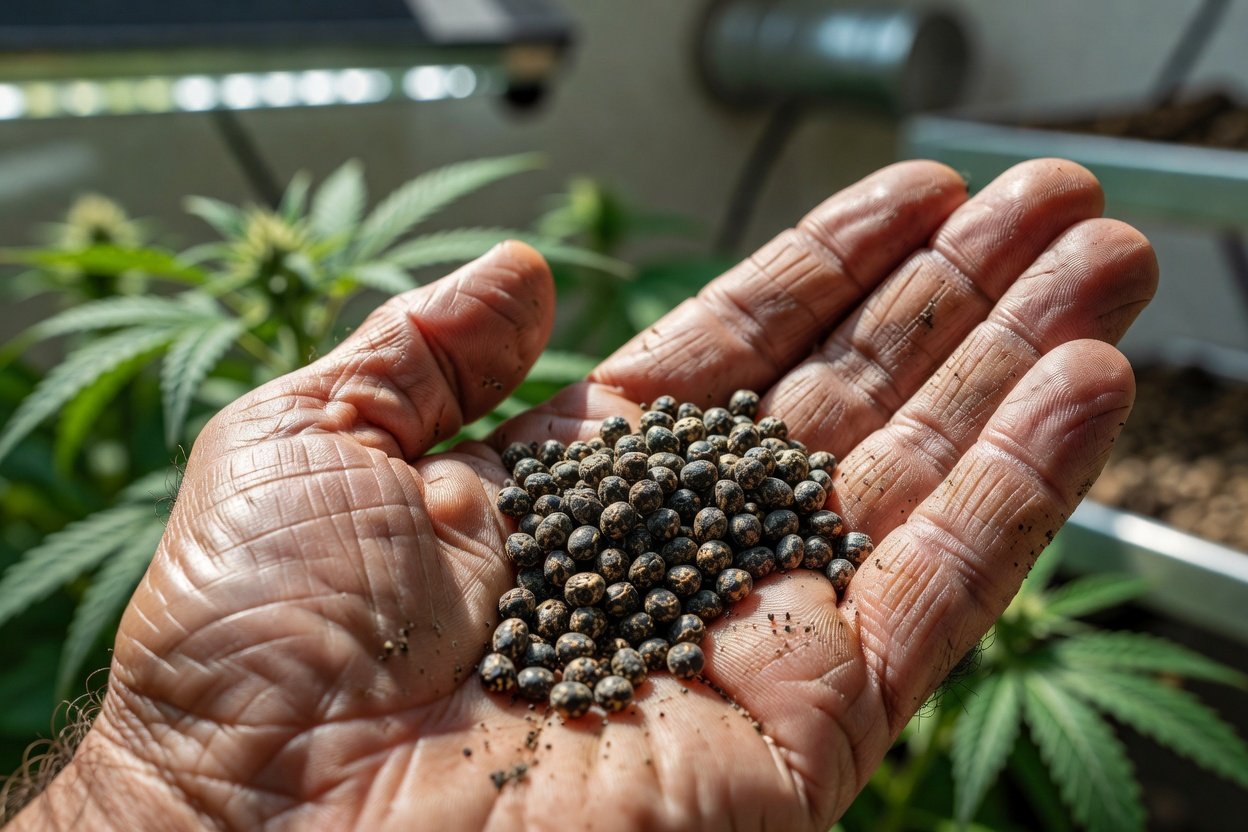
Selecting high-quality feminized seeds is the foundation of a successful photoperiod cannabis grow. In 2026, home growers face an increasingly crowded market filled with both reputable breeders and questionable vendors. Inspecting seeds before purchase helps avoid common pitfalls such as male plants, hermaphroditism, or weak genetics that can ruin yields. This guide provides practical methods tailored specifically for photoperiod varieties, focusing on viability, stability, and feminization reliability. Photoperiod growers benefit from seeds that deliver uniform growth patterns, allowing precise control over vegetative and flowering phases under artificial lighting schedules.
Visual Inspection Cues for Seed Viability
Start your evaluation with a thorough visual and tactile examination. Healthy feminized cannabis seeds typically display a dark brown, gray, or mottled tiger-stripe pattern. Avoid seeds that appear pale green, white, or overly light, as these often indicate immaturity and low germination rates. The seed coat should feel hard and slightly waxy rather than soft or brittle. For instance, when examining a batch of Blue Dream feminized seeds, look for consistent tiger striping that signals proper maturation during the breeding process.
Examine the surface under good lighting or a magnifying glass. Viable seeds lack deep cracks, dents, or powdery residue. A smooth, slightly textured shell with a faint sheen suggests proper maturation and storage. Gently press a few seeds between your fingers; they should resist compression without crumbling. Growers often report that seeds with minor surface imperfections still perform well if the interior remains intact, but avoid any showing visible fractures that could allow moisture intrusion during storage.
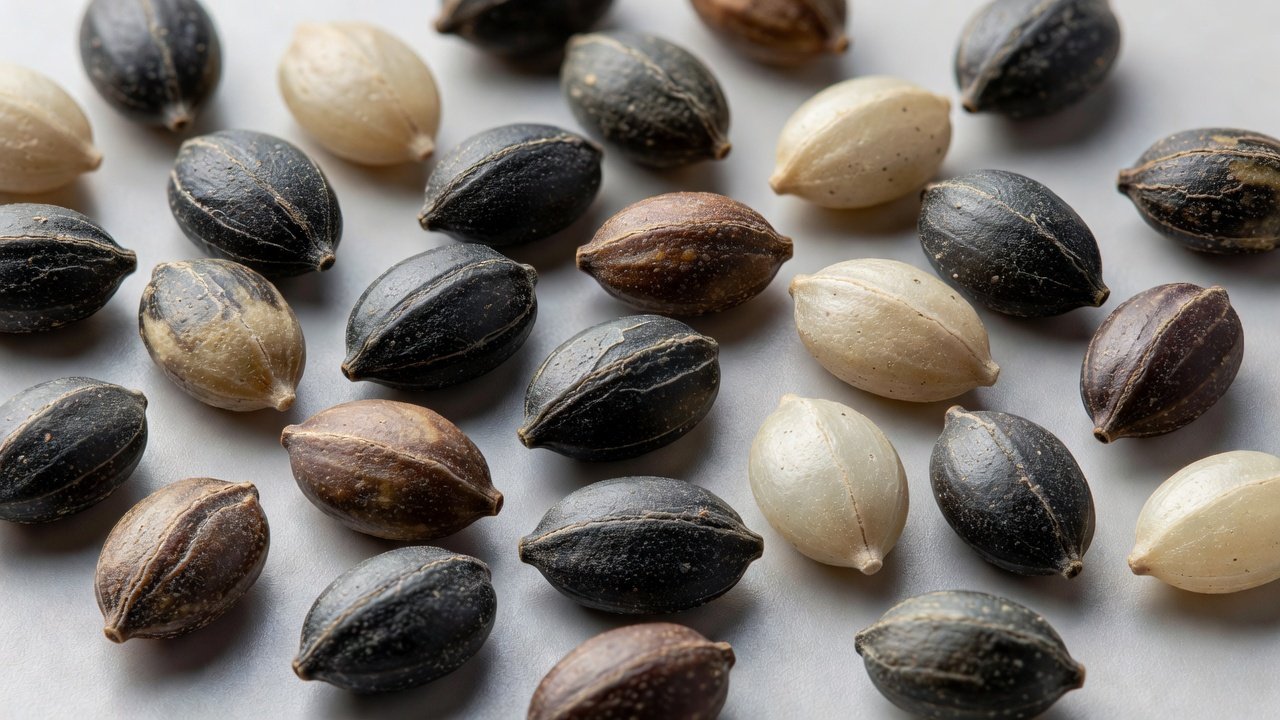
Size consistency within a batch also matters. While individual seeds vary slightly by strain, major discrepancies in a single pack can signal poor sorting practices by the breeder. Photoperiod growers should prioritize batches with uniform appearance, as this often correlates with more predictable flowering times and plant structure. In practice, measure ten seeds from a pack using a digital caliper; variations exceeding 1 millimeter in diameter warrant caution and may indicate mixed genetics from unstable breeding lines.
Evaluating Genetic Stability Indicators
Genetic stability determines how consistently plants will express desired traits across generations. Reputable breeders provide detailed lineage information, including parent strains and stabilization generations. Look for seeds from lines that have undergone at least three to five generations of selective breeding for uniformity. A concrete example involves Sour Diesel feminized seeds, where breeders document backcrossing to lock in terpene profiles and growth habits, reducing surprises during the 8- to 10-week flowering period typical of photoperiod varieties.
Check vendor descriptions for mentions of phenotype variation rates. Stable feminized seeds should produce plants with minimal differences in height, leaf shape, and flowering speed. Unstable genetics often result in uneven canopies that require extra training and can reduce overall yields. Cross-reference strain names with established databases or grower forums to verify reported characteristics. When planning a multi-plant garden, stable seeds allow simultaneous topping and low-stress training without one plant outpacing others, simplifying light distribution and harvest timing.
Assessing Feminization Reliability
Feminization reliability is critical for photoperiod growers who cannot afford male plants in their garden. Quality seeds come from proven methods such as colloidal silver or silver thiosulfate application rather than less reliable stress techniques. Vendors should disclose their feminization process and offer germination guarantees backed by data. For example, a vendor using silver thiosulfate on select mother plants can achieve consistent female results, whereas older rodelization methods sometimes introduce higher hermaphrodite risks under stress conditions like temperature swings.
Research independent lab tests or third-party reviews that track male or hermaphrodite occurrence rates. Reliable feminized seeds typically show male plant rates below 1%. Any vendor claiming 100% female results without supporting evidence warrants extra scrutiny. In 2026, many top breeders publish annual stability reports that include these statistics. Photoperiod cultivators can further protect their investment by maintaining stable environments, as even reliable seeds may express intersex traits if exposed to light leaks during the 12/12 flowering cycle.
Identifying Vendor Red Flags
Reputable seed banks provide clear contact information, return policies, and batch-specific tracking. Red flags include vague descriptions, pressure to buy quickly, or unusually low prices that undercut established market rates. Avoid vendors who refuse to share germination statistics or who use generic stock photography instead of real product images. Always request batch numbers and verify they match recent harvest dates to ensure freshness.
- No mention of storage conditions or seed age
- Overly broad strain claims without specific lineage
- Negative reviews citing high male plant percentages
- Payment methods limited to untraceable options
Always verify that the seller ships from regions with established cannabis seed regulations. Cross-check reviews on multiple platforms before committing to a purchase. Practical experience shows that vendors offering detailed COAs from independent labs tend to deliver seeds with higher viability, allowing growers to plan larger photoperiod runs with confidence in consistent female outcomes.
Practical Testing Methods for Home Growers
Once you receive seeds, perform simple home tests before committing to a full grow. The float test offers a quick viability check: place seeds in room-temperature water for 24 hours. Viable seeds typically sink, while floaters often fail to germinate. Follow with the paper towel method in a dark, warm environment to assess actual sprouting rates. Keep temperatures between 70-80°F and check daily for taproot emergence within 48-72 hours.
For deeper evaluation, start a small test batch of 5-10 seeds under controlled conditions. Monitor germination speed, seedling vigor, and early sex expression. Document any anomalies such as twisted growth or unexpected male flowers. This data helps validate the batch before scaling up your photoperiod garden. Record light intensity, humidity levels, and nutrient strength in a grow journal to correlate environmental factors with performance.
Combine these observations with environmental records. Photoperiod strains are sensitive to light cycles, so stable genetics will respond predictably when you switch to 12/12 lighting. Unstable seeds may produce variable flowering times that complicate harvest planning. Testing a handful of seeds first can save weeks of effort and resources, ensuring the main crop achieves uniform canopy development and optimal yields.
Conclusion
Thorough inspection of feminized seeds protects your 2026 grow from costly setbacks. By focusing on visual cues, genetic stability, feminization methods, and vendor credibility, photoperiod growers can select seeds that deliver consistent, high-yielding female plants. Apply these techniques consistently to build confidence in every purchase and achieve reliable results season after season. For additional research, consult resources from NCBI and USDA.