
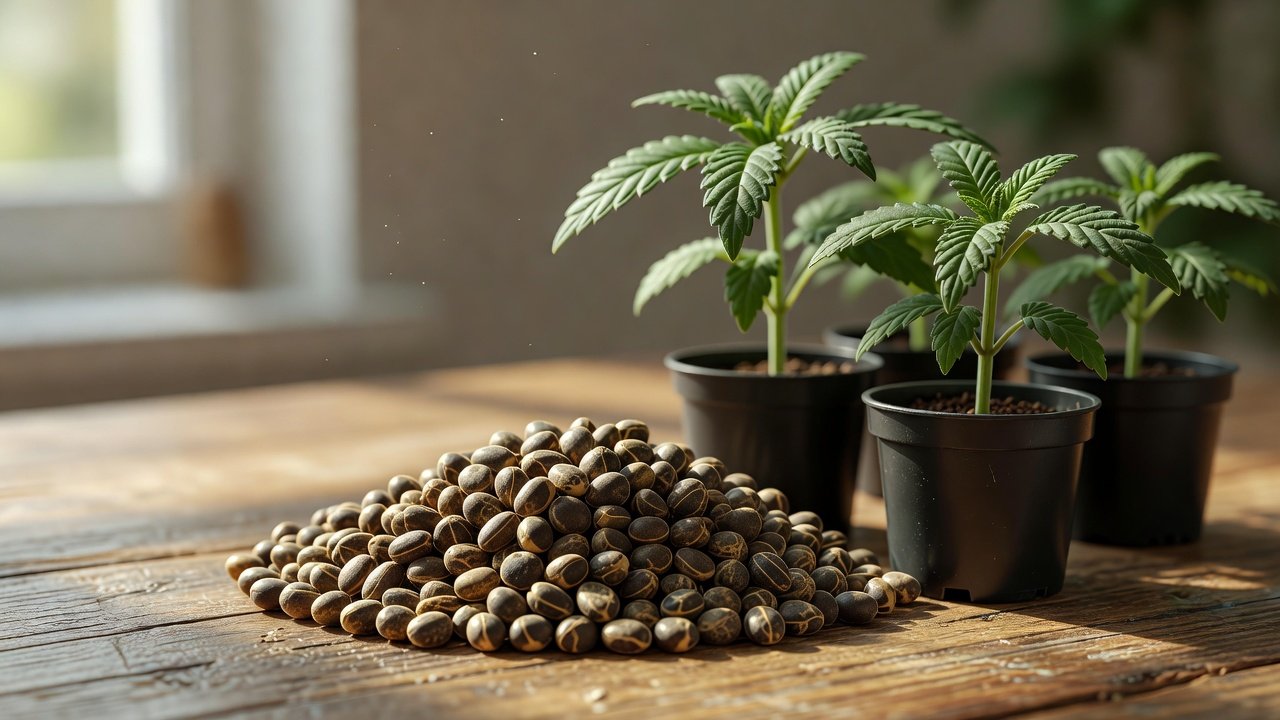
Introduction to Choosing Autoflower Seeds
Selecting the right autoflower seeds is essential for home growers aiming for reliable harvests in 2026. Autoflowering cannabis varieties have gained immense popularity due to their fast growth cycles and ease of cultivation, making them ideal for both beginners and experienced enthusiasts. With advancements in breeding techniques, today’s autoflower seeds offer improved potency and resilience compared to earlier generations. For example, a beginner grower in a small apartment can expect a full cycle in under 10 weeks without needing to adjust light schedules, allowing multiple harvests per year even in limited spaces.
Reputable breeders focus on genetic stability to ensure consistent results across plants. This article explores critical factors such as germination rates, cannabinoid profiles, and strategies to match strains with your specific growing goals. By understanding these elements, you can avoid common pitfalls and achieve successful yields with autoflowering cannabis. Concrete guidance includes starting with small test batches of three to five seeds to evaluate performance before scaling up.
Understanding Autoflowering Cannabis Genetics
Autoflowering cannabis differs from photoperiod strains by automatically transitioning to the flowering stage based on age rather than light cycles. This trait stems from Cannabis ruderalis genetics, which breeders cross with indica or sativa varieties to create robust autoflower seeds. In 2026, modern hybrids deliver higher THC levels and better terpene profiles while maintaining the quick turnaround time of 8-10 weeks from seed to harvest. A practical example is planting in early spring for an outdoor harvest by early summer, freeing up space for a second cycle.
Genetic stability is a cornerstone of quality autoflower seeds. Unstable genetics can lead to unpredictable growth patterns, varying plant heights, and inconsistent bud quality. When evaluating options, look for breeders who provide detailed lineage information and third-party lab tests confirming uniformity in their strains. Growers should check for consistent node spacing and leaf patterns in early vegetative stages as signs of stability.
Evaluating Genetic Stability from Reputable Breeders
High-quality autoflower seeds come from breeders with proven track records in stabilizing ruderalis hybrids. Stability ensures that every seed produces plants with similar characteristics, reducing the risk of hermaphroditism or weak growth. In 2026, top breeders utilize advanced selective breeding and tissue culture methods to enhance this trait. For instance, selecting strains like those derived from stable Northern Lights or Skunk crosses can yield uniform plants reaching 60-80 cm indoors.
Research breeder reputations through grower forums and seed bank reviews. Avoid unknown sources that may sell unstable crosses. Stable genetics also contribute to better resistance against pests and environmental stresses, which is crucial for indoor and outdoor home setups. A practical tip is to track plant uniformity across at least five plants from the same batch to confirm reliability before committing to larger grows.
Checking Germination Rates and Avoiding Low-Viability Seeds
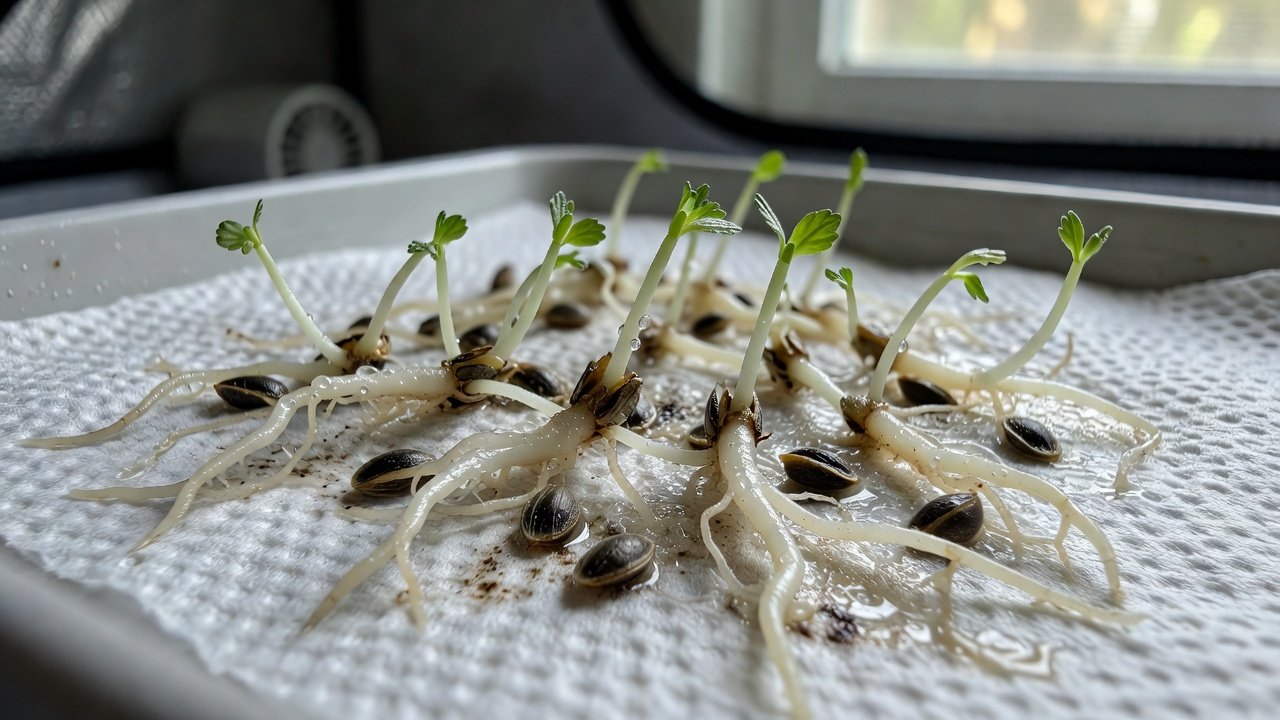
Germination rates above 90% indicate premium autoflower seeds. Low-viability seeds often result from poor storage or inferior breeding practices, leading to wasted time and resources. Always purchase from vendors offering guarantees and fresh stock, as older seeds lose viability quickly. In practice, soak seeds in water for 24 hours then transfer to a damp paper towel; viable seeds typically sprout within 48-72 hours.
To test viability before planting, use the paper towel method in a warm, dark environment. Reputable breeders provide batch-specific germination data. Common pitfalls include buying from unverified online marketplaces where counterfeit or mishandled seeds are prevalent. Store your autoflower seeds in cool, dry conditions to maintain quality until sowing. Use airtight containers with silica packs and label them with purchase dates for best results.
Practical Germination Steps for Success
Follow these ordered steps for optimal germination: first prepare a sterile workspace, second moisten the paper towel without excess water, third place seeds spaced apart, and fourth monitor daily for sprouts before transplanting into starter soil.
THC and CBD Profiles: Matching Strains to Grower Goals
Understanding cannabinoid profiles helps match autoflower seeds to your objectives, whether seeking high-THC recreational effects or balanced CBD for therapeutic use. In 2026, many strains offer customizable ratios, with some exceeding 20% THC while others prioritize 1:1 CBD:THC blends. For example, a high-THC strain like an autoflowering Gorilla Glue variant suits experienced users seeking strong effects, while a CBD-rich option like Harlequin Auto supports daytime wellness without intoxication.
Consider your experience level and desired outcomes. High-THC autoflowering cannabis suits advanced growers chasing potent effects, whereas CBD-dominant options appeal to those focused on wellness. Review lab reports for accurate terpene and cannabinoid content to align purchases with personal goals. New growers can start with moderate 15% THC strains to build tolerance gradually.
Matching Profiles to Specific Scenarios
- Recreational focus: Choose strains with dominant myrcene terpenes for relaxing evening effects.
- Therapeutic focus: Opt for balanced profiles with pinene for clarity during work hours.
- Beginner growers: Select 10-15% THC options to minimize overwhelm.
Actionable Tips for 2026 Buyers of Autoflower Seeds
Start by setting clear cultivation goals, such as yield size, flavor preferences, or grow space limitations. Compare multiple breeders and read recent user experiences for the latest strain performance data. Prioritize organic, feminized autoflower seeds to maximize efficiency. A concrete example is budgeting for 10 premium seeds rather than 20 cheaper ones, as higher success rates often lead to better overall yields.
Budget for quality over quantity, as premium seeds from established sources yield better returns. Stay updated on 2026 trends like climate-resilient varieties suited for changing weather patterns. For authoritative insights on cannabis research, consult resources from nih.gov and nida.nih.gov. Track your grows in a journal noting strain, conditions, and results to refine future purchases.
Step-by-Step Buying Checklist
- Define goals for yield, potency, and space.
- Verify breeder lab tests and reviews.
- Order fresh stock with guarantees.
- Prepare storage and germination supplies in advance.
Conclusion
Investing in high-quality autoflower seeds from reputable breeders sets the foundation for successful 2026 grows. By prioritizing genetic stability, verifying germination rates, and selecting appropriate THC/CBD profiles, home growers can avoid pitfalls and achieve their cultivation goals with autoflowering cannabis. Apply these strategies to enjoy bountiful, consistent harvests year after year. Regular evaluation of results helps refine selections for even better outcomes in subsequent seasons.