
Introduction to Amnesia Haze in 2026
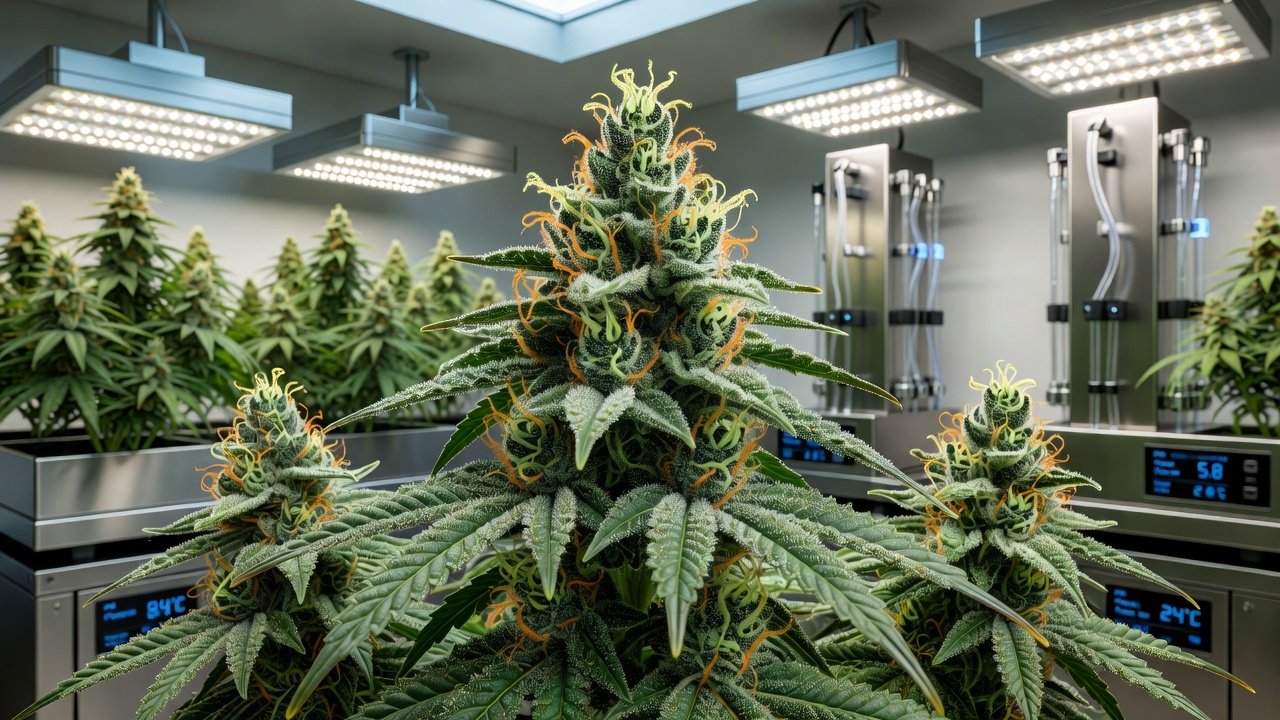
Amnesia Haze remains a favourite among home growers and cannabis enthusiasts for its uplifting cerebral effects and zesty citrus profile. As we move into 2026, changing climate patterns and evolving regulations present new considerations for cultivators seeking consistent results. This sativa-dominant hybrid delivers an energetic high that appeals to creative users while offering moderate CBD levels for balance. Originating from classic Haze genetics crossed with Afghan and Hawaiian influences, the strain produces dense buds with a signature lemon-lime aroma. Growers value its potency, yet success depends on understanding its specific needs under current environmental conditions. For example, many European indoor growers now adjust their schedules around increasingly mild winters that extend pest seasons, while North American cultivators report needing extra shading during unexpected heatwaves in late summer.
Practical guidance begins with site assessment. Home growers should evaluate available space early, noting that Amnesia Haze can stretch dramatically once flowering starts. A concrete example involves a small balcony setup where growers use 11-litre pots and top the plants at the fourth node to keep height under 120 cm. Success also hinges on sourcing stable genetics that tolerate the variable humidity swings common in 2026 weather patterns.
Uplifting Effects and Citrusy Flavour Profile
Users report an immediate mood elevation followed by focused creativity, making Amnesia Haze ideal for daytime use. The high typically lasts two to three hours with minimal couch-lock, thanks to its sativa heritage. Many enthusiasts describe enhanced sensory perception alongside gentle euphoria. In practice, consumers often note improved focus during writing sessions or light physical tasks such as gardening, with the effects tapering smoothly rather than abruptly.
Flavour notes centre on bright citrus with subtle earthy undertones. When properly cured, the smoke or vapour carries a refreshing lemon zest that lingers on the palate. Terpenes like limonene and myrcene drive these characteristics, contributing to both taste and therapeutic potential. Growers can enhance these profiles by maintaining night-time temperatures 4–5 °C cooler than daytime readings during the final three weeks of flower, a technique that preserves volatile terpenes. A real-world example comes from a Canadian grower who reported noticeably sharper citrus notes after switching to organic soil amended with kelp meal.
Balanced THC and CBD Profile
Typical lab results show THC levels between 18-22% paired with 0.5-1% CBD. This ratio provides functional psychoactivity without overwhelming intensity for most users. The modest CBD content helps temper anxiety sometimes associated with high-THC sativas. Third-party testing remains essential in 2026 due to variable seed stock. Home growers should consider sending samples to certified labs for accurate potency verification before harvest. For instance, a grower in California who tested three separate phenotypes found one plant reaching 23% THC while another stayed at 17%, illustrating the value of individual plant testing when possible.
Unique Cultivation Challenges in 2026 Conditions
Amnesia Haze demands patience with a flowering period of 10-12 weeks. Rising global temperatures this decade increase the risk of heat stress and accelerated flowering that can reduce resin production. Indoor growers must maintain temperatures between 22-26°C during lights-on periods while ensuring robust ventilation. A practical solution involves using smart thermostats linked to exhaust fans that activate automatically once readings exceed 26 °C. In one documented case, a UK grower reduced heat stress incidents by 70% after installing two 150 mm inline fans with carbon filters.
Humidity fluctuations pose another challenge. In regions experiencing wetter springs, mould resistance becomes critical during late flower. Implementing oscillating fans and dehumidifiers helps prevent bud rot. Outdoor cultivators in 2026 should monitor local forecasts closely and consider protective structures against sudden downpours. Greenhouse growers can install roll-up sides and automated vents that respond to humidity spikes above 65%.
Pest pressures have shifted with warmer winters allowing certain insects to overwinter more successfully. Regular scouting for spider mites and aphids remains vital, especially in greenhouse setups. Weekly inspections using a 30× loupe on leaf undersides allow early detection before infestations spread. An example from a Dutch collective shows that introducing predatory mites at the first sign of webbing prevented a full outbreak in a 20-plant room.
Seed Selection Advice for Maximum Yields and Potency
Choosing reputable seed banks is paramount. Look for vendors offering detailed lineage information and germination guarantees. Feminized seeds reduce the risk of male plants but may carry slightly lower genetic diversity than regular seeds. Verify supplier lab reports for parent stock stability. Consider autoflowering versions only if space is extremely limited, as they often sacrifice some potency. Request COAs showing recent germination rates above 90%. Starting with quality genetics directly influences final cannabinoid content and overall yield. Many experienced growers recommend purchasing small test batches before committing to larger orders. One grower in Oregon trialled five seeds from two different banks and selected the vendor whose plants showed more uniform growth and higher resin coverage.
Advanced Techniques for 2026 Growers
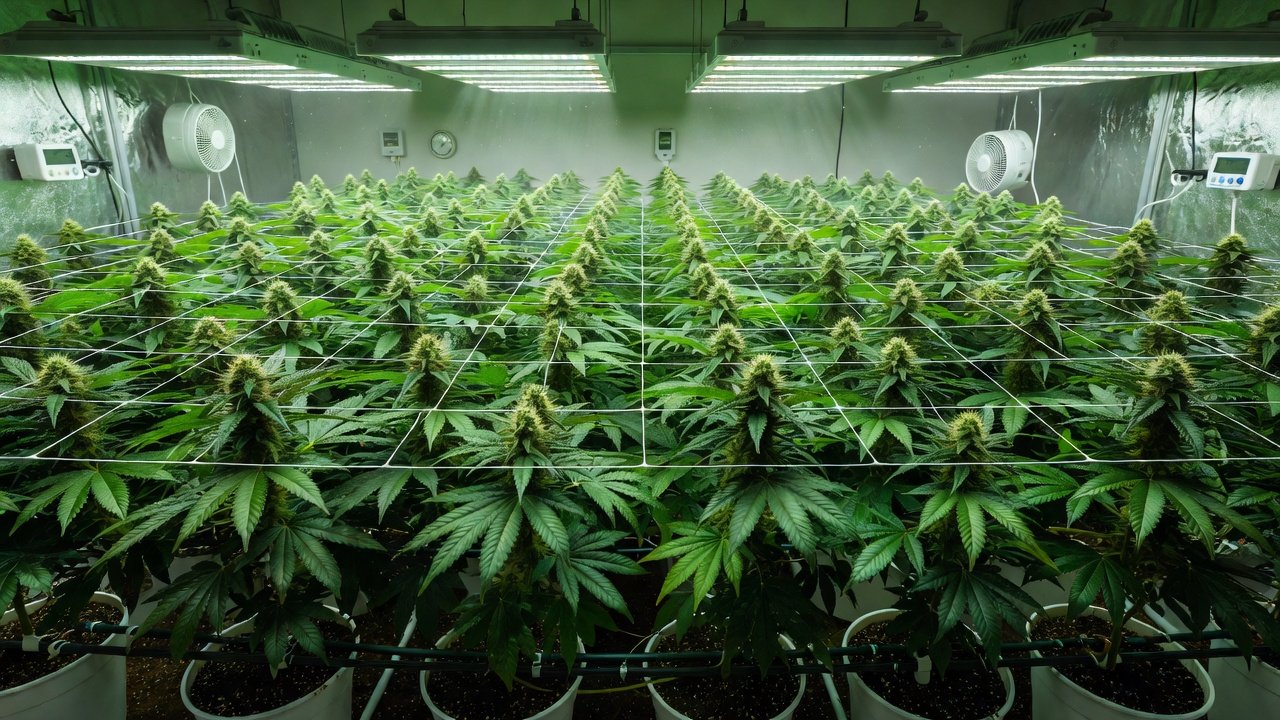
Training methods such as SCROG or low-stress training help manage the strain’s tall growth habit. These approaches improve light penetration and airflow, boosting yields by up to 20% in controlled environments. A step-by-step example involves installing a 5 cm mesh screen 30 cm above the pots, then gently weaving branches through the grid during weeks three to six of vegetative growth. Nutrient schedules should emphasise nitrogen early and transition to phosphorus-rich formulas during bloom. Switching to a bloom booster containing extra potassium around week five of flower often increases bud density without burning leaves when EC is kept below 1.8.
Water quality matters more than ever with increased mineral content in some municipal supplies. Using reverse osmosis systems ensures plants receive optimal pH levels around 6.0-6.5 in soil or 5.5-6.0 in hydroponics. Monitoring with smart sensors for temperature, humidity and VPD allows precise adjustments aligned with 2026 climate variability. Integrating organic amendments like compost tea supports microbial health and resilience against stressors. A weekly aerated compost tea application made from worm castings, molasses and fish hydrolysate has helped several soil growers maintain root health during heat spikes.
Conclusion
Amnesia Haze continues to reward dedicated growers who adapt to evolving conditions. By focusing on climate-appropriate techniques, sourcing verified seeds and understanding its balanced profile, cultivators can achieve impressive yields and potent, flavourful harvests in 2026. Always comply with local regulations and prioritise safety throughout the growing process. For further reading on cannabis research, consult resources from ncbi.nlm.nih.gov.