
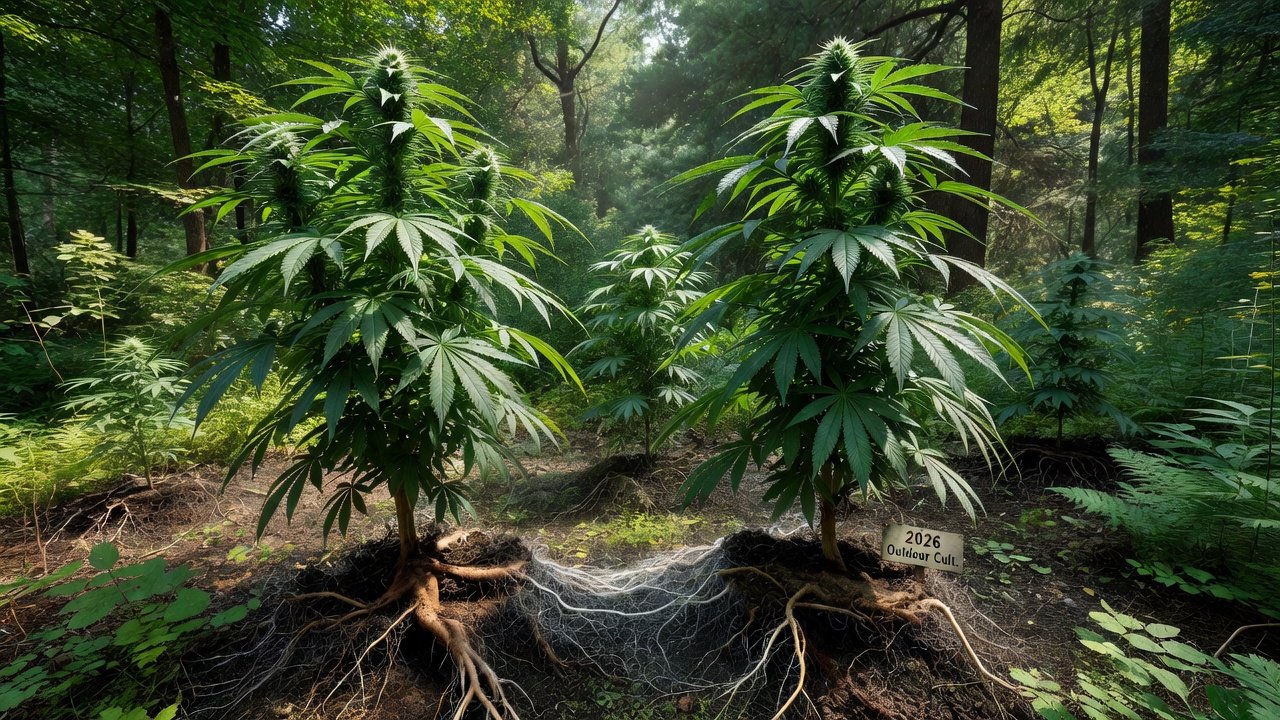
Outdoor cannabis cultivation in 2026 continues to attract home growers seeking sustainable, high-yielding harvests. Mycorrhizal fungi form symbiotic relationships with cannabis roots, dramatically improving nutrient absorption and plant resilience against environmental stresses. These beneficial microbes extend root systems, unlock soil nutrients, and help plants thrive in challenging outdoor conditions like variable weather or poor soil quality. For enthusiasts growing cannabis outside, integrating mycorrhizal fungi offers a natural edge that supports larger, healthier plants without heavy reliance on synthetic fertilizers. In practice, growers in regions with sandy or clay-heavy soils often see the biggest gains because the fungi bridge gaps in nutrient availability that synthetic amendments alone cannot address efficiently.
Understanding Mycorrhizal Fungi Benefits for Cannabis
How Arbuscular Mycorrhizae Colonize Roots
Mycorrhizal fungi, particularly arbuscular types, colonize cannabis root zones and create vast hyphal networks that reach far beyond ordinary roots. This partnership boosts uptake of phosphorus, nitrogen, and micronutrients essential for vigorous growth and potent flower development. In outdoor settings, where soil variability is common, these fungi enhance water retention and drought tolerance, reducing plant stress during dry spells common in guerrilla sites. The hyphae act like microscopic pipelines, transporting water and minerals directly into root cells while the plant supplies the fungi with sugars produced through photosynthesis.
Pathogen Suppression and Structural Gains
Research from agricultural extensions shows mycorrhizae also suppress soil pathogens, providing natural defense. Cannabis plants treated with these fungi often exhibit stronger stems and denser foliage, leading to improved photosynthesis and ultimately higher cannabinoid production. Home growers report fewer nutrient deficiencies when using inoculants at planting time. A practical example involves mixing inoculant into the planting hole of clones destined for a windy hillside; within weeks, stems thicken noticeably and leaf color remains deep green even when surrounding untreated plants yellow from minor deficiencies.
Nutrient Uptake Improvements in Outdoor Environments
Solubilizing Phosphorus in Native Soils
In outdoor cannabis gardens, native soils frequently lack balanced nutrients, making mycorrhizal fungi invaluable. The fungi solubilize bound phosphorus and deliver it directly to roots, minimizing waste and runoff. This efficiency translates to faster vegetative growth and more robust flowering stages, especially in long-season outdoor cultivars. Growers working with compacted or depleted forest-floor soil often apply a thin layer of compost tea alongside the inoculant to jump-start colonization, resulting in visible root mass expansion within 10–14 days.
Reduced Feeding and Long-Term Soil Health
Real-world tests by hobbyists demonstrate that inoculated plants require 20-30% less supplemental feeding while maintaining vibrant green leaves. Enhanced resilience to pests and temperature swings further protects yields. By fostering a living soil microbiome, growers create self-sustaining beds that improve year after year. One concrete tip is to avoid high-phosphorus synthetic fertilizers during the first month after inoculation, as excess salts can inhibit fungal spore germination and delay the symbiotic relationship from forming fully.
Application Methods for Guerrilla Growing Sites
Guerrilla growers face unique challenges with remote, often neglected plots. Apply mycorrhizal inoculants directly to seeds or young transplants by dusting roots before planting. For established sites, mix granular inoculants into topsoil around existing plants during early spring prep. Timing matters: apply on overcast days or in the evening to protect spores from intense sunlight that can reduce viability.
- Choose spore-based products suited for cannabis and apply at rates of 1-2 teaspoons per plant hole.
- Combine with organic compost to encourage rapid colonization.
- Water lightly after application to activate spores without disturbing the site.
- Reapply in subsequent seasons to maintain fungal networks across multiple grows.
- Store unused inoculant in a cool, dry location and use within the manufacturer’s recommended window, typically 12–18 months.
These low-profile methods suit hidden outdoor locations while maximizing root development in poor native soils. Another useful technique involves creating a slurry of inoculant and water, then dipping root balls of seedlings immediately before transplanting; this ensures even coverage and quick contact between roots and spores.
Selecting Outdoor Cannabis Seeds for Best Results
Pairing mycorrhizal fungi with the right genetics amplifies success. Choose hardy, outdoor-adapted seeds with strong resistance to mold and pests. Autoflowering varieties or photoperiod strains bred for northern climates perform well when fungi support nutrient delivery. Landrace-influenced hybrids often develop deeper taproots that pair especially well with fungal networks, allowing plants to access moisture and minerals at greater soil depths.
Look for landrace-influenced hybrids that develop extensive root systems. Premium seed banks emphasize vigor suited to living soil systems. Test small batches first to observe how specific strains respond to fungal inoculation in your local conditions. Keep simple records noting germination rates, early root development, and final yield per plant; this data helps refine seed choices for future seasons when working with the same mycorrhizal product.
Real-World Examples of Maximizing Outdoor Yields
One experienced grower in the Pacific Northwest reported doubling yields after switching to mycorrhizae-treated soil in a forested guerrilla plot. By selecting resilient sativa-dominant seeds and applying fungi at transplant, plants reached 8 feet with massive colas despite rocky terrain. The grower also incorporated leaf mulch from surrounding trees to maintain consistent soil moisture, which further supported the fungal network during a particularly dry July.
Another enthusiast in a dry southern region used inoculants on indica hybrids, achieving drought-resistant plants that produced 1.5 pounds per plant. Consistent application across seasons built soil health, cutting input costs significantly.
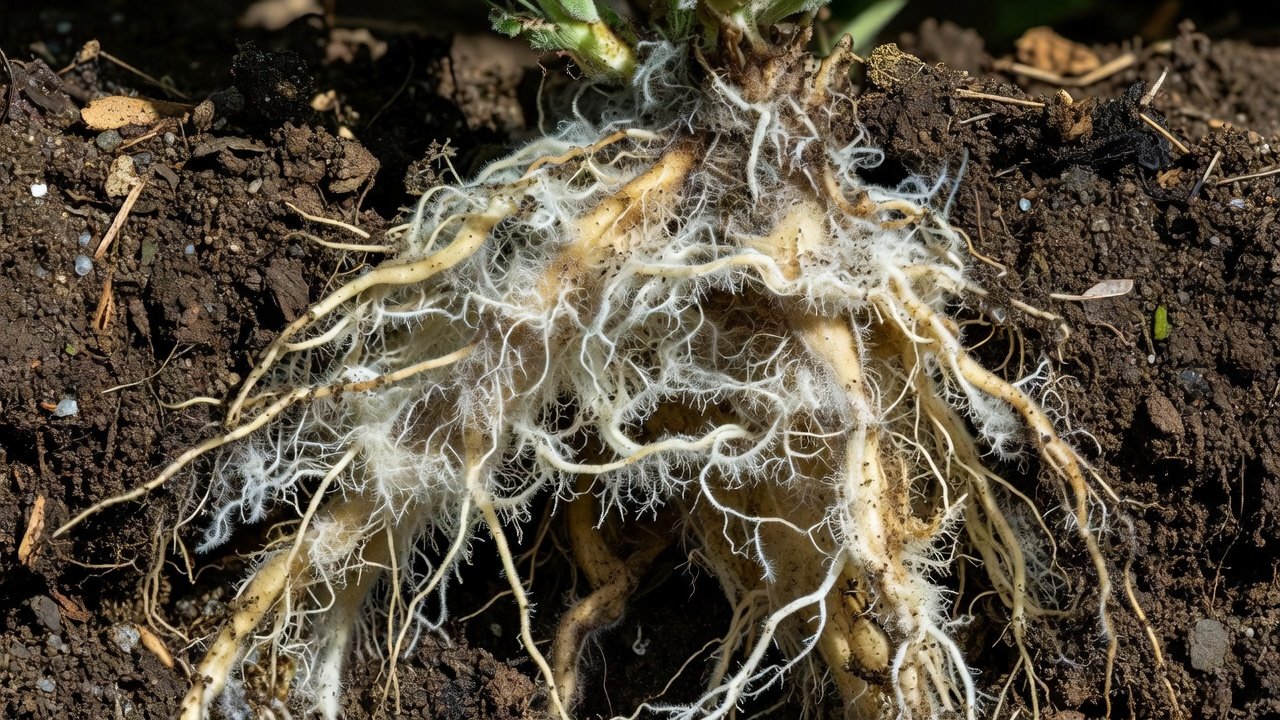
These cases highlight how fungi integration turns marginal outdoor spots into productive gardens. A third example comes from a Midwest grower who combined inoculant with cover-crop roots left in place over winter; the following spring the fungal population was already established, allowing transplants to establish faster than in freshly tilled beds.
Conclusion: Integrating Fungi for Sustainable Outdoor Success
Mycorrhizal fungi represent a powerful, eco-friendly tool for outdoor cannabis cultivation. By improving nutrient uptake, building resilience, and supporting guerrilla techniques, growers achieve superior results with selected seeds. Start incorporating these fungi today to cultivate thriving plants and maximize 2026 harvests naturally. For more on soil biology, visit usda.gov and extension.umn.edu. Regular observation of root health at the end of each season provides the best feedback on whether the fungal partnership is delivering consistent benefits.