
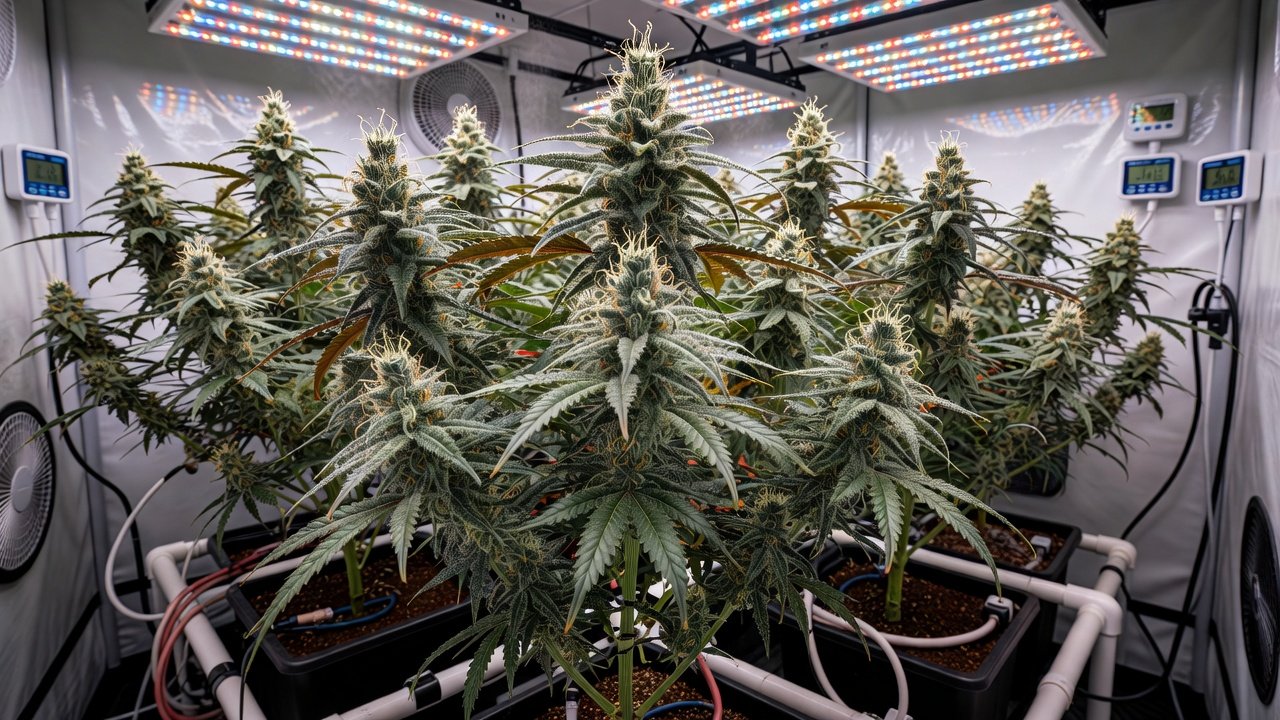
Indoor hydroponic cannabis cultivation in grow tents offers precise control over every variable, from lighting to nutrients, making it ideal for home growers seeking consistent, high-quality yields. As we move into 2026, mastering the final stages—harvesting at peak ripeness, proper drying, and meticulous curing—remains essential for preserving delicate terpenes and maximizing cannabinoid potency. This guide provides advanced, step-by-step techniques tailored specifically for hydroponic systems under controlled grow lights, helping you avoid common mistakes that can degrade flavor, aroma, and effects. We also cover strategic indoor seed selection to streamline your next growing cycle. For instance, a grower running a 4×4 tent with a 600W LED and deep water culture system can expect tighter control over variables than soil-based setups, leading to faster cycles and cleaner results when post-harvest steps are executed correctly.
Understanding Optimal Harvest Timing in Hydroponics
Determining the perfect harvest window is critical in hydroponic setups because plants often mature faster under optimized LED lighting and constant nutrient delivery. Monitor trichomes using a jeweler’s loupe or digital microscope; aim for 70-90% cloudy trichomes with 10-30% amber for a balanced high that retains full terpene profiles. Pistils should be 70-80% darkened and receded, while fan leaves begin yellowing naturally. In grow tents, track the flowering stage from the flip to 12/12 lighting—most hydroponic strains reach maturity between weeks 8 and 11, but always verify visually rather than relying solely on breeder timelines. A practical example: check the same top and lower buds daily starting at week 7, photographing trichomes under 60x magnification to spot the shift from clear to milky.
Environmental cues matter too. Maintain stable tent conditions at 68-75°F with 45-55% humidity during late flower to avoid stress that could accelerate or delay ripening. Flush plants with pH-balanced water for 7-10 days prior to harvest to remove residual salts, enhancing smoothness and flavor in the final product. In a typical 5-gallon hydro bucket system, replace the nutrient solution with RO water adjusted to 5.8-6.2 pH, changing it every 48 hours to prevent salt buildup that affects taste.
Step-by-Step Harvesting Process for Hydroponic Plants
Begin harvesting during the dark period or early morning when terpene levels peak. Cut entire plants at the base or remove individual branches to manage space in smaller tents. Work in a clean, low-light environment to minimize trichome damage. Trim large fan leaves immediately but leave sugar leaves for protection during drying. Use sharp, sterilized scissors to prevent introducing pathogens in your enclosed hydroponic setup. An effective routine includes wiping blades with 99% isopropyl between plants and working on a sanitized table under a 20W red headlamp.
Handle buds gently to avoid crushing resin glands. Place freshly cut material on clean racks or hang upside down immediately. For large hydro yields, process in batches to maintain control over drying conditions. Document strain-specific notes for future reference, including exact harvest day and observed trichome percentages. Consider this ordered approach:
- Turn off lights and fans 12 hours before cutting.
- Harvest lower branches first to reduce canopy density.
- Place cut material on food-grade trays lined with parchment.
- Move everything into the drying tent within 30 minutes.
Effective Drying Techniques in Controlled Grow Tents
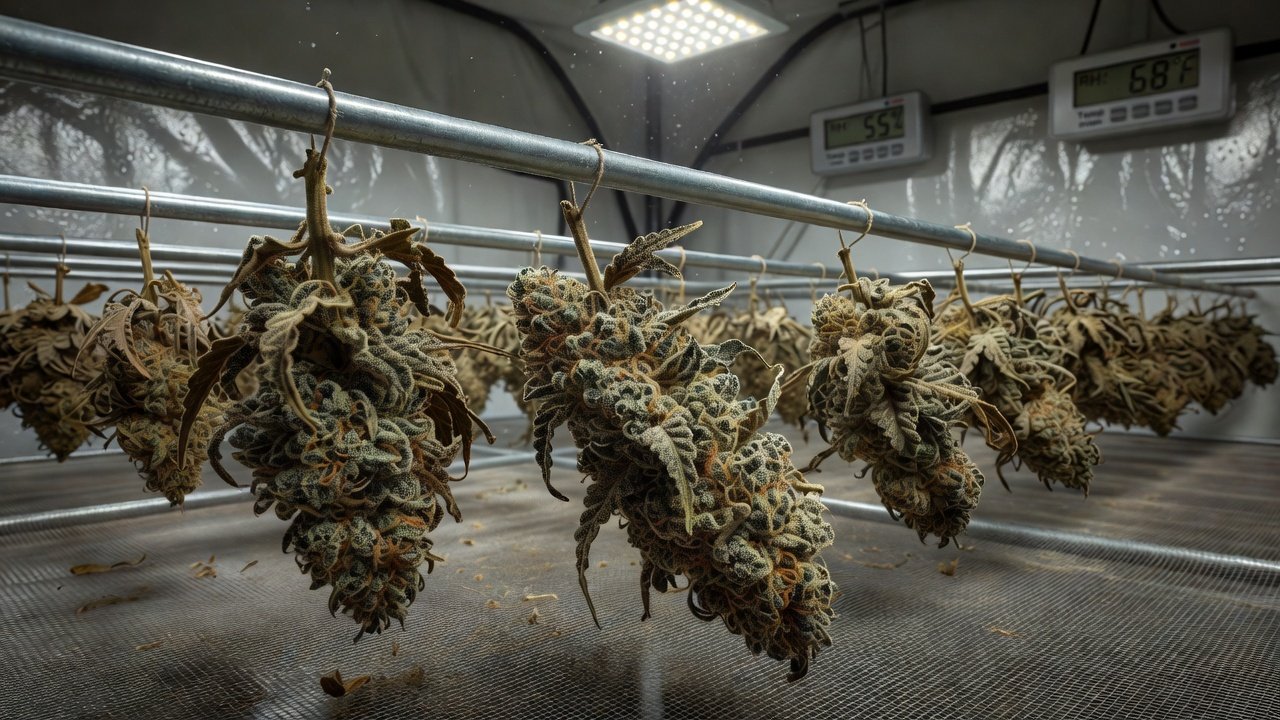
Drying is where many indoor growers lose terpenes if conditions are not dialed in. Hang branches or place buds on mesh screens in your grow tent with lights off and ventilation reduced. Target 60-70°F and 45-55% relative humidity with gentle airflow from oscillating fans positioned indirectly. This slow dry typically takes 7-14 days; buds are ready when stems snap cleanly rather than bend. In a 3×3 tent, position two 6-inch clip fans on low speed at opposite corners, aimed at the walls rather than directly at buds, to create a gentle breeze of 0.5–1 mph.
Monitor daily with a hygrometer to prevent mold in the humid microclimate of a tent. If humidity spikes above 60%, increase exhaust slightly. Avoid rapid drying from excessive heat or fans, which volatilizes terpenes and produces harsh smoke. Hydroponic buds often contain more water weight initially, so patience here directly translates to smoother, more potent results. Track weight loss daily; most hydro buds lose 65-75% of their wet weight before stems snap.
The Curing Process to Maximize Terpene Retention and Potency
Once dried, transfer buds to airtight glass jars filled to 75% capacity. Burp jars daily for the first week, then every few days for 2-4 additional weeks. Maintain internal jar humidity at 58-62% using two-way humidity packs if needed. Store in a cool, dark space around 65°F. This anaerobic curing phase allows chlorophyll breakdown while locking in cannabinoids and terpenes for enhanced aroma and effects. A concrete tip: use wide-mouth quart jars for smaller harvests and label lids with painter’s tape noting strain and day-one humidity reading.
Advanced growers extend cure times to 6-8 weeks for premium quality. Sample small amounts weekly to track flavor development. Proper curing can increase perceived potency by preserving volatile compounds that degrade with improper handling. Label each jar with strain, harvest date, and cure start for organized future use. Rotate jars during burping so bottom buds receive equal exposure to air exchange.
Selecting Indoor Cannabis Seeds for Future Cycles
While processing your current harvest, evaluate which phenotypes performed best under your specific LED and hydroponic parameters. Source feminized or autoflower indoor seeds from reputable breeders known for tent-friendly genetics with strong resistance to common issues like powdery mildew. Plan your next cycle by ordering seeds during cure to align with your grow calendar, focusing on strains that match your tent size and light intensity for optimized yields. For example, choose compact indicas if your tent height is under 6 feet.
Store seeds in cool, dark, airtight containers with desiccants. Test germination rates on a small batch before committing space. This forward planning ensures continuous production and allows experimentation with new indoor-optimized varieties. Keep a simple spreadsheet logging each seed lot’s origin, expected flowering time, and observed yield per watt.
Avoiding Common Pitfalls in Indoor Post-Harvest
Over-drying is a frequent error that destroys terpene profiles—always err on the side of slower drying. Poor ventilation during cure invites mold; never seal jars if buds feel damp. Inconsistent lighting schedules or temperature swings in the tent during late stages can reduce overall potency. Invest in quality monitoring tools and maintain detailed logs to refine your process each cycle. These practices consistently deliver superior indoor hydroponic cannabis that stands out for flavor and strength. Keep a dedicated notebook or app entry for every harvest, noting room temperature, humidity swings, and final jar humidity after 30 days.
Conclusion
By precisely timing your harvest, executing controlled drying in the grow tent, and following a patient curing regimen, you will achieve maximum terpene retention and potency from your hydroponic cannabis. Integrating thoughtful seed selection ensures your indoor operation remains efficient and high-performing across multiple cycles. Apply these methods diligently to elevate your home growing results in 2026 and beyond.