
Introduction to Pest Management in Feminized Cannabis
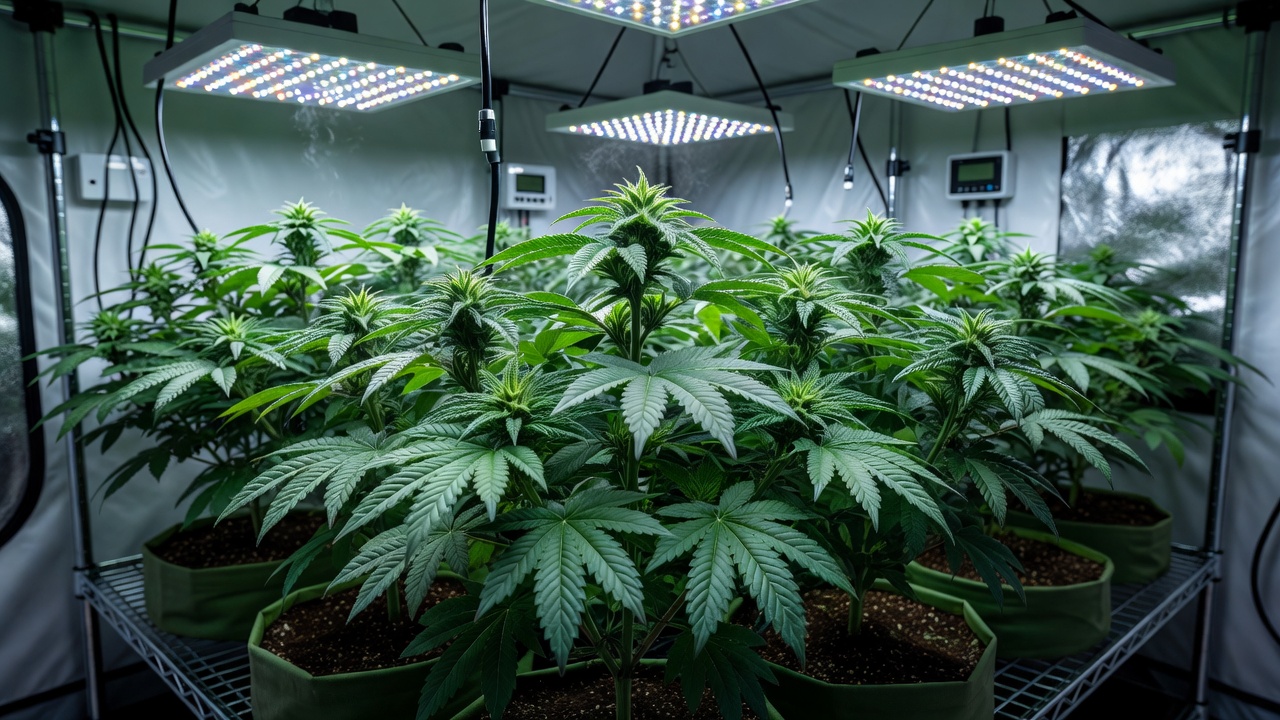
Growing feminized cannabis seeds offers home cultivators reliable female plants that focus energy on bud production rather than seeds. However, these plants remain vulnerable to a range of pests that can quickly damage yields if left unchecked. Photoperiod varieties share many of the same threats, making integrated approaches essential for both. In 2026, with evolving climate patterns affecting indoor and outdoor grows, proactive management becomes even more critical for successful harvests.
Early intervention protects plant health and preserves cannabinoid profiles. This guide focuses on common pests, detection methods specific to female plants, and sustainable solutions suited to feminized seed growers. By combining organic techniques with seasonal adjustments, enthusiasts can minimize chemical use while maximizing plant vigor. For example, a grower starting with 10 feminized plants in a 4×4 tent can expect 20-30% higher yields when pests are caught before week four of flower, compared to untreated infestations that reduce trichome density and terpene output.
Common Pests Targeting Feminized and Photoperiod Plants
Spider mites rank among the most destructive, thriving in warm, dry environments common to indoor grows. These tiny arachnids suck sap from leaves, causing stippling and eventual defoliation. A single female mite can produce hundreds of offspring in two weeks under 80°F conditions, quickly webbing entire canopies. Aphids and whiteflies follow closely, excreting honeydew that promotes mold. Fungus gnats attack roots in overwatered soil, weakening feminized plants during vegetative stages by feeding on root hairs and introducing pathogens.
Thrips and caterpillars pose additional risks outdoors, while root aphids target container grows. Female plants often show stress through reduced bud sites and altered trichome production when infested. Understanding these pests helps growers using feminized seeds anticipate issues before they spread to photoperiod companions. Concrete guidance includes checking soil moisture at 1-inch depth daily to prevent gnat breeding, as overwatering above 60% saturation creates ideal larval conditions.
Early Detection Signs in Female Cannabis Plants
Inspecting the undersides of leaves weekly reveals spider mite webs or eggs early. Use a 30x jeweler’s loupe during the first hour of lights-on when mites are least active. Yellowing stippling patterns indicate feeding damage, while curling leaves may signal aphid colonies clustered near new growth. For female plants, watch for slowed flowering response or hermaphroditic tendencies triggered by stress from pests, such as pollen sacs forming on lower branches by week three of bloom.
Sticky traps placed near the canopy catch flying adults like whiteflies, with counts above five per trap signaling action. Root inspection during transplanting uncovers fungus gnat larvae, which appear as small white worms in the top inch of soil.
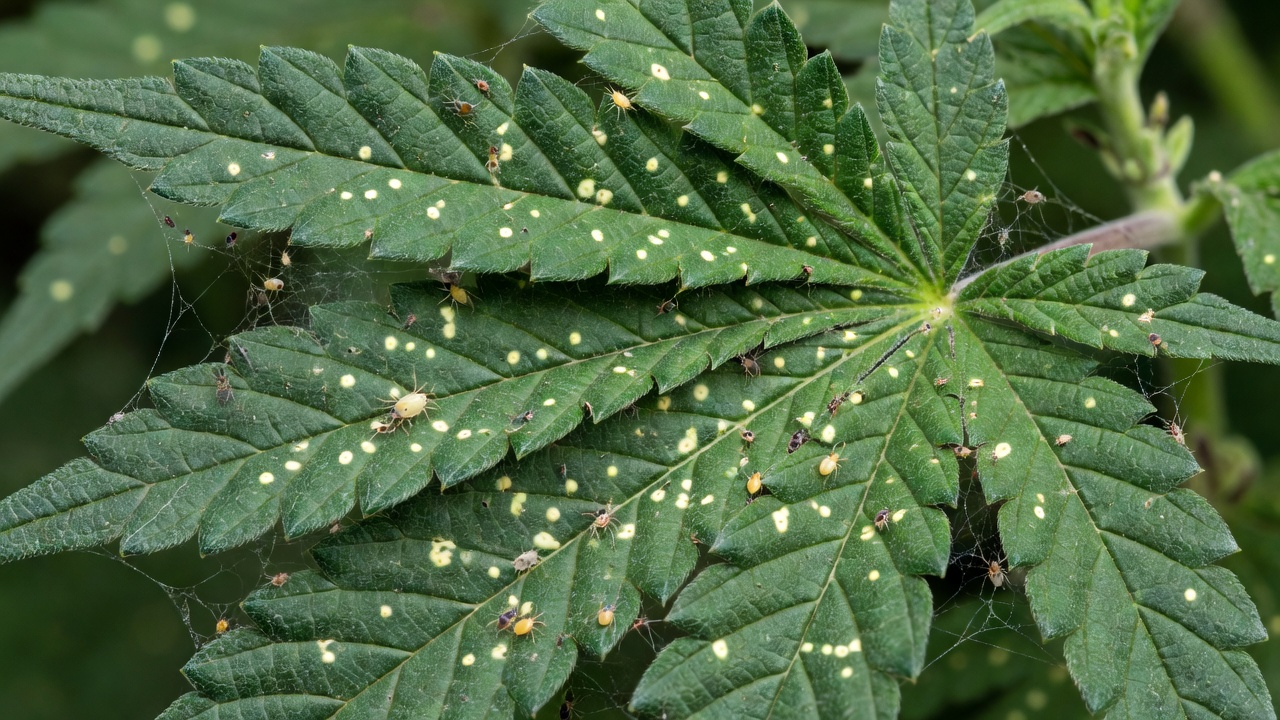
Regular magnification with a jeweler’s loupe aids precise identification, allowing intervention before populations explode in 2026’s potentially warmer conditions. Practical example: mark leaves with tape on day one of scouting and recheck the same spots every 48 hours to track spread rates accurately.
Organic Prevention Strategies for Home Growers
Companion planting with basil or marigolds deters aphids naturally in outdoor setups by releasing repellent volatiles. Space plants 18 inches apart in raised beds to improve airflow. Maintaining optimal humidity below 50% during flowering discourages spider mites; use a dehumidifier set to 45% RH and monitor with a digital hygrometer placed at canopy level. Soil health through compost teas strengthens root systems against gnats and root aphids—brew a 5-gallon batch with 2 cups worm castings and aerate for 24 hours before applying weekly at 1 cup per gallon of soil.
Beneficial insects such as ladybugs and predatory mites provide biological control without residues; release 50-100 ladybugs per 10 plants at dusk for best establishment. Neem oil sprays applied in vegetative stages create barriers—mix 1 tablespoon neem with 1 teaspoon castile soap per quart of water and spray undersides every 7-10 days. Diatomaceous earth protects soil surfaces when sprinkled in a 1/8-inch layer around stems. These methods suit feminized seed cultivation by avoiding disruptions to delicate flowering cycles.
- Monitor environmental controls daily with logs noting temperature swings over 10°F
- Quarantine new plants for two weeks in a separate area with independent ventilation
- Use yellow sticky cards proactively, replacing them every 10 days or when 20 insects accumulate
- Rotate crops to break pest cycles by avoiding the same strain in the same pots for two consecutive grows
Integrated Pest Management Tailored for Feminized Seeds
IPM begins with cultural practices like proper spacing and airflow to reduce pest habitats. Keep plants 12-18 inches apart and run oscillating fans at low speed continuously. Monitoring thresholds guide action, escalating only when needed—for spider mites, treat at five mites per leaf on average across 10 sampled leaves. For feminized plants, mechanical removal of visible pests precedes organic sprays to protect trichomes; wipe leaves with a damp cloth or use a handheld vacuum on low for larger insects.
Biological agents integrate seamlessly with chemical-free goals. Introduce predatory mites at 1 per 10 prey mites when counts rise. In 2026, growers should document seasonal trends in a simple notebook or app to refine future plans, noting first mite sighting dates and effective treatments. This layered approach minimizes resistance and supports robust female plant development from seed to harvest. Learn more about core IPM principles from UC IPM.
Step-by-Step IPM Application Example
- Week 1-2 veg: Install sticky traps and scout twice weekly
- Week 3 veg: Release beneficials if any pests appear
- Early flower: Switch to neem only if mechanical removal fails
- Mid-flower onward: Rely on environmental controls and avoid all sprays
Seasonal Adjustments for Healthy 2026 Harvests
Spring starts demand vigilant mite checks as temperatures rise above 75°F; increase ventilation and begin weekly neem applications on new clones. Summer outdoor grows benefit from increased beneficial insect releases amid higher pest pressure—order 500 predatory mites per 100 sq ft in June. Fall photoperiod transitions require humidity control to prevent mold secondary to aphid damage; lower RH to 40% and prune lower leaves for airflow. Winter indoor cultivation focuses on root zone warmth to deter gnats by using seedling mats set to 72°F and reducing watering frequency to once every 5-7 days.
Adjusting ventilation and lighting schedules according to regional forecasts helps feminized plants stay resilient. Consistent record-keeping ensures strategies evolve with each year’s unique challenges, such as tracking how 2026’s projected 2°F average temperature increase affected mite reproduction rates in your specific setup.
Conclusion
Effective pest management empowers feminized cannabis growers to achieve premium 2026 harvests. Through early detection, organic prevention, and adaptive IPM, both feminized and photoperiod plants thrive. Consistent application of these practices safeguards female plant potential while aligning with sustainable cultivation values. Growers who implement weekly scouting and maintain detailed logs typically report 15-25% fewer pest-related losses compared to reactive approaches.