
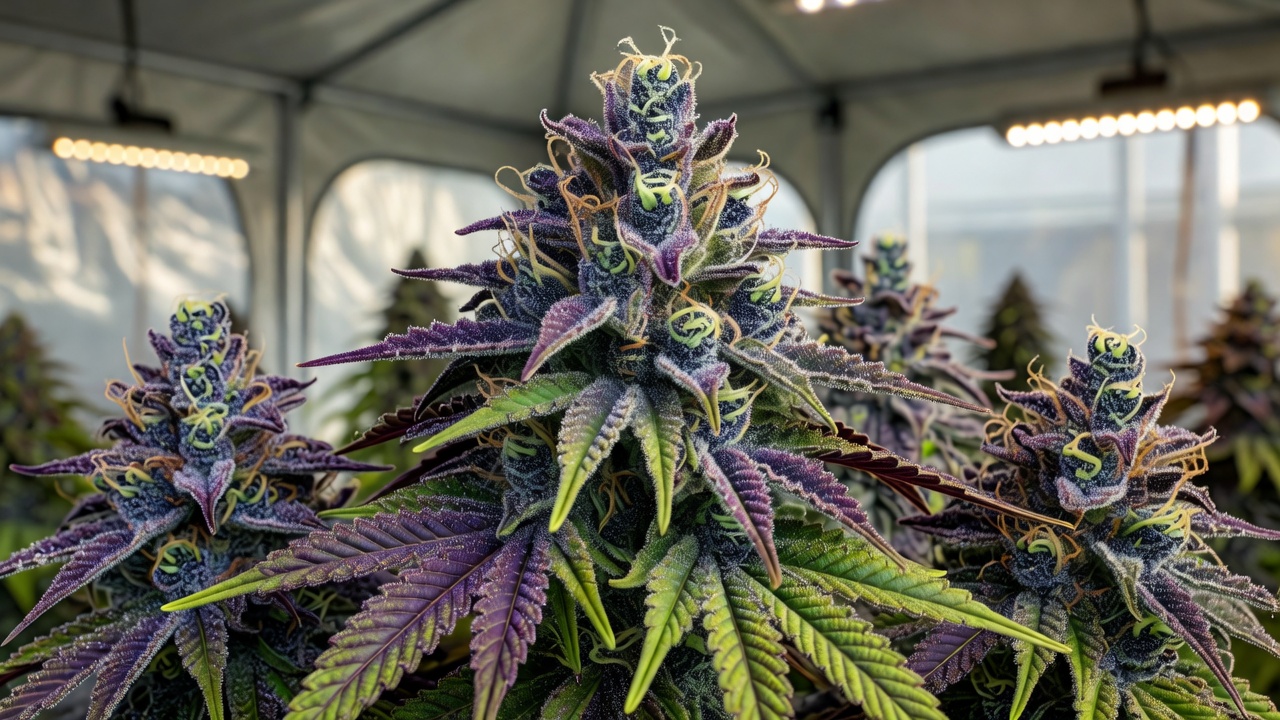
Runtz has become a standout hybrid in the cannabis world, captivating growers and enthusiasts with its vibrant appearance and balanced effects. In 2026, this strain continues to influence seed selection decisions among home cultivators seeking reliable yields and premium quality. This review examines its unique characteristics, from candy-inspired flavors to cultivation strategies tailored for modern growing environments. Home growers in particular value its forgiving growth pattern and consistent results across varying skill levels, making it a frequent topic in online forums and seed catalogs this year.
Origins and Genetics of Runtz
Runtz emerged from a cross between Zkittlez and Gelato, delivering a balanced indica-sativa profile that appeals to both recreational and medicinal users. Breeders have refined its lineage over the years, resulting in stable phenotypes that perform consistently in indoor and outdoor setups. Home growers appreciate its moderate height and robust structure, which makes it manageable even in smaller spaces. Zkittlez contributes the sweet berry genetics and colorful expression, while Gelato adds creamy undertones and dense bud formation. The result is a hybrid that rarely exceeds four feet indoors without training, allowing cultivators to maximize limited grow tents or closets.
The genetic background contributes to dense, colorful buds that develop striking purple and green hues. This visual appeal, combined with high resin production, positions Runtz as a premium choice for those building a diverse seed collection in 2026. Many phenotypes display reliable traits such as thick stems and strong lateral branching, reducing the risk of unexpected hermaphroditism that plagues less stable crosses. Seed buyers often select Runtz when they want genetics that deliver both bag appeal and repeatable performance across multiple cycles.
Effects and User Experience
Users report a euphoric onset that transitions into deep physical relaxation without heavy sedation. This makes Runtz suitable for evening use or creative sessions where focus remains intact. Many home growers note its ability to alleviate stress while preserving mental clarity, a trait that sets it apart from more potent indicas. Typical experiences begin with an uplifting cerebral lift within ten minutes of inhalation, followed by a gradual body melt that eases muscle tension yet leaves users functional enough for light activities like reading or cooking.
In 2026, feedback from cultivation communities highlights its versatility across different consumption methods. Whether vaporized or infused into edibles, the effects provide a consistent candy-coated experience that enhances mood and promotes restful sleep later in the evening. Intermediate users often describe the high as lasting two to three hours with a smooth comedown, making it ideal for micro-dosing sessions. Growers who also consume their harvest frequently mention pairing small amounts with evening routines to unwind after long workdays without next-day grogginess.
Flavor Profile and Aroma
The signature candy-like flavors define Runtz, blending sweet berry notes with hints of tropical fruit and earthy undertones. Upon inhalation, a sugary zest dominates, followed by a smooth, dessert-like finish that lingers pleasantly. Growers often describe the aroma as reminiscent of freshly opened candy packs, making it a sensory delight during harvest. The terpene bouquet intensifies in the final two weeks of flowering, filling the grow space with sweet, fruity notes that become especially pronounced after proper curing.
Terpene profiles rich in limonene and caryophyllene drive these flavors, contributing to both taste and potential therapeutic benefits. For seed buyers evaluating options, this aromatic complexity adds significant value when planning flavor-focused gardens. Limonene provides the bright citrus lift while caryophyllene adds subtle spice and grounding earthiness. Many cultivators report that slow-drying at 60 degrees Fahrenheit and 60 percent humidity preserves these delicate terpenes better than faster methods, resulting in smoother smoke and stronger flavor retention.
THC, CBD, and Cannabinoid Profile
Runtz typically tests between 19-25% THC with minimal CBD levels under 1%. This potency delivers strong effects while remaining accessible for intermediate users. In 2026 lab analyses, consistent cannabinoid ratios support its reputation for balanced psychoactivity paired with mild anti-inflammatory properties. Growers using home testing kits often see THC climb steadily from week six of flower onward, allowing precise harvest decisions based on desired strength rather than calendar alone.
Seed selection often hinges on these metrics, as higher THC strains like Runtz command premium market prices. Growers monitoring cannabinoid development through modern testing kits can optimize harvest timing for maximum potency. When cured correctly, the finished flower maintains its cannabinoid content for months if stored in airtight containers away from light. This stability makes Runtz a reliable choice for those who prefer to stockpile harvests for personal use throughout the year.
Growing Runtz: Practical Insights for 2026
Successful cultivation of Runtz requires attention to environmental controls, particularly humidity levels during flowering. Indoor growers benefit from LED lighting setups that enhance trichome development, while outdoor cultivators in temperate climates achieve strong results with proper pruning techniques. Maintaining relative humidity between 55-60 percent in late vegetation and dropping to 40-50 percent during flower prevents mold while encouraging resin production. A 4×4 foot tent with two 300-watt full-spectrum LEDs typically supports four plants trained to a flat canopy, delivering the upper end of expected yields.
Flowering time averages 8-9 weeks, yielding 400-500 grams per square meter indoors. Nutrient schedules emphasizing phosphorus during bloom stages maximize bud density.
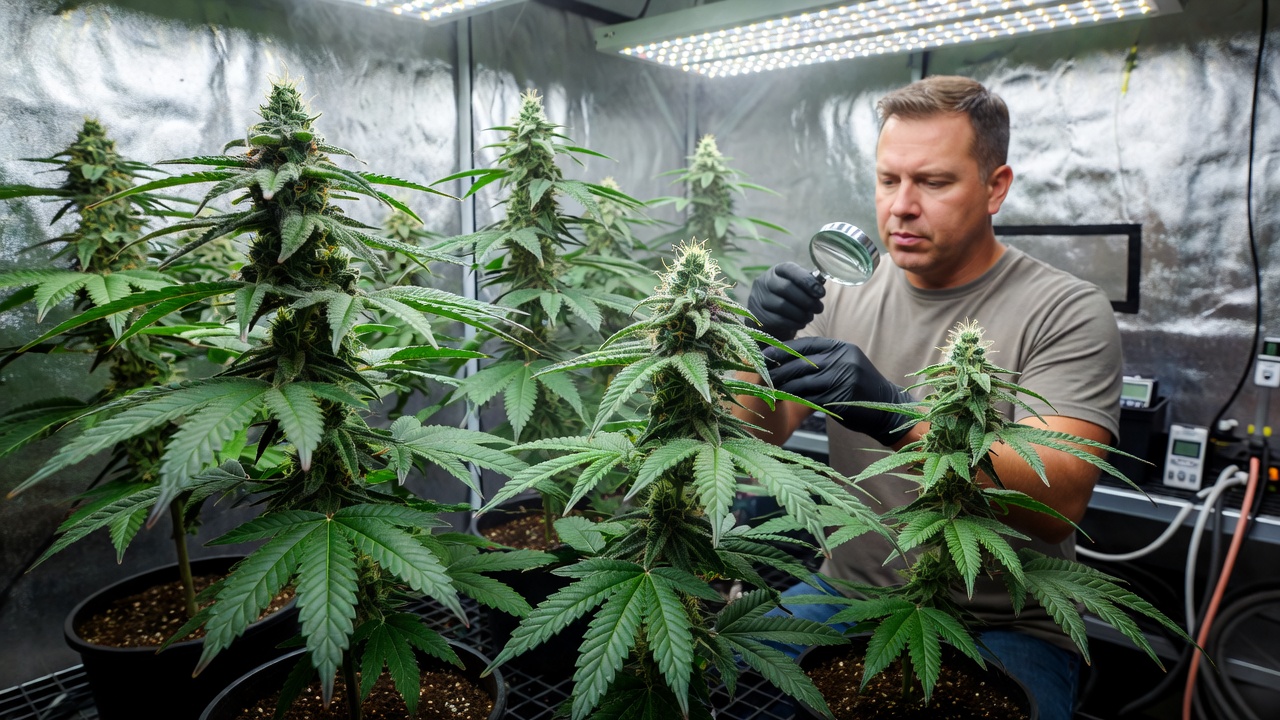
Resistance to common pests has improved in recent seed batches, though vigilant monitoring remains essential for optimal results. Many growers switch to a bloom formula with an NPK ratio around 1-4-5 starting at week three of flower, supplemented with calmag and beneficial microbes to support root health.
Advanced techniques such as low-stress training help manage canopy height and boost light penetration. In 2026, many enthusiasts incorporate automated climate systems to maintain ideal temperatures between 20-26°C, ensuring consistent quality across multiple harvests. Low-stress training involves gently bending main stems at a 45-degree angle during week three of vegetation and securing them with soft ties, which encourages multiple colas instead of one dominant top. Outdoor growers in USDA zones 8-10 report success by planting in well-amended soil and pruning lower branches at week four to improve airflow. Regular scouting for spider mites and aphids, combined with weekly applications of neem oil during vegetation, keeps issues minimal without affecting flavor.
Why Runtz Stands Out for Seed Buyers
When comparing strains for purchase, Runtz excels due to its combination of high yields, distinctive flavors, and adaptable growth patterns. Its popularity ensures widespread availability from reputable seed banks, reducing risks associated with lesser-known genetics. Beginners appreciate the strain’s resilience to minor fluctuations in pH or watering schedules, while advanced growers enjoy experimenting with training methods to push yields higher.
Home growers value the strain’s forgiving nature for beginners while offering enough complexity to challenge experienced cultivators. This balance influences seed buying decisions, especially for those prioritizing both potency and ease of maintenance in limited spaces. Compared with pure indicas that can stretch excessively or sativas that demand long flowering times, Runtz finishes quickly enough for multiple indoor cycles per year. Its market reputation also means fresh seed stock arrives regularly, giving buyers confidence in viability and genetic stability.
Further insights into strain performance can be found at leafly.com and detailed cannabinoid research at en.wikipedia.org.
Conclusion
Runtz remains a top contender in 2026 for cannabis enthusiasts focused on flavor, effects, and reliable cultivation. Its candy profile and balanced cannabinoid content make it a smart addition to any grow operation. By applying targeted growing insights, home growers can achieve impressive results that justify its place in seed selections year after year. Consistent attention to environmental details and post-harvest handling ensures the final product matches the premium expectations this strain has earned across cultivation communities.