
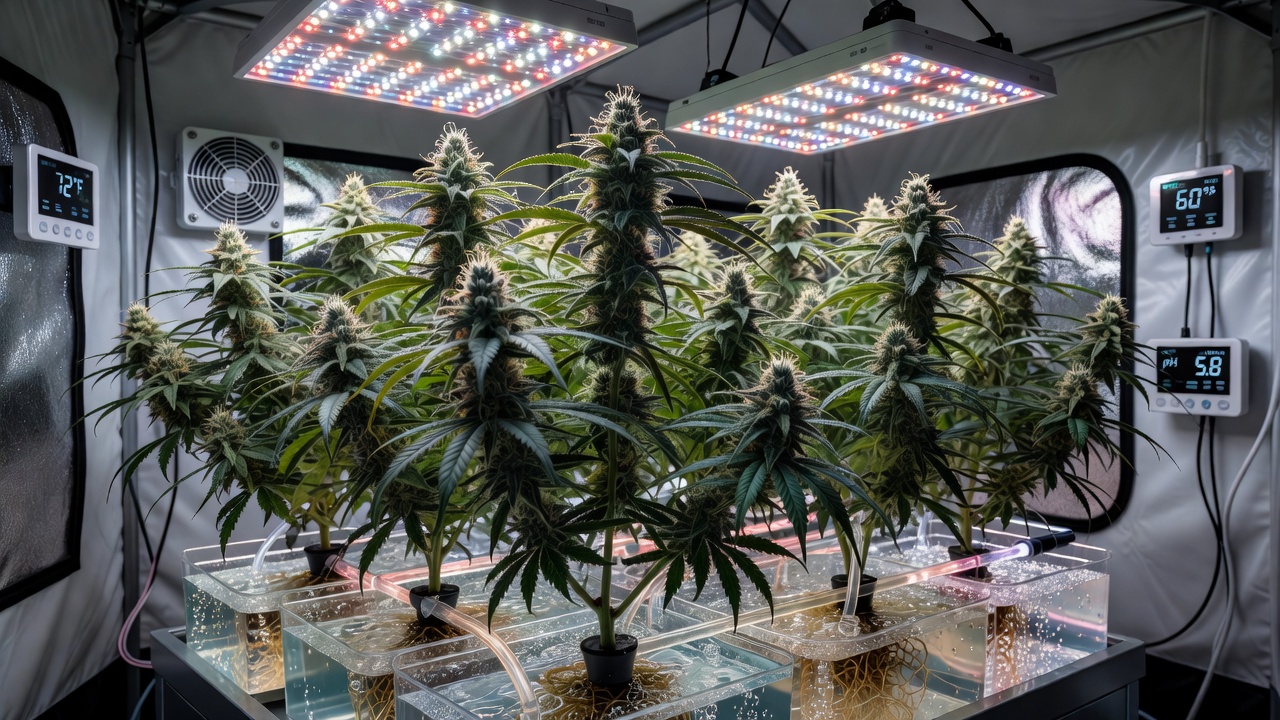
Mastering light management is essential for successful indoor cannabis cultivation, especially in hydroponic systems where every variable can be precisely controlled. In 2026, home growers benefit from advanced LED technology that allows fine-tuned photoperiod adjustments during the critical flowering stage. This guide explores proven strategies for photoperiod cannabis grown from indoor seeds, helping enthusiasts achieve consistent, high-quality results in grow tents. By understanding how light cycles influence plant hormones and resin production, cultivators can optimize every phase from transition to harvest.
Understanding Ideal Photoperiod Adjustments
The Basics of the 12/12 Light Cycle
Most photoperiod cannabis strains transition to flowering under a 12/12 light cycle, providing 12 hours of light and 12 hours of uninterrupted darkness. In hydroponics, this schedule triggers hormonal changes that promote bud development while minimizing vegetative growth. For example, a grower using rockwool cubes in a 4×4 tent might switch from 18/6 to 12/12 on day 28 of vegetative growth, observing the first pistils within seven to ten days. This precise timing ensures plants do not stretch excessively before focusing energy on flowers.
Spectrum Shifts for Enhanced Resin and Terpenes
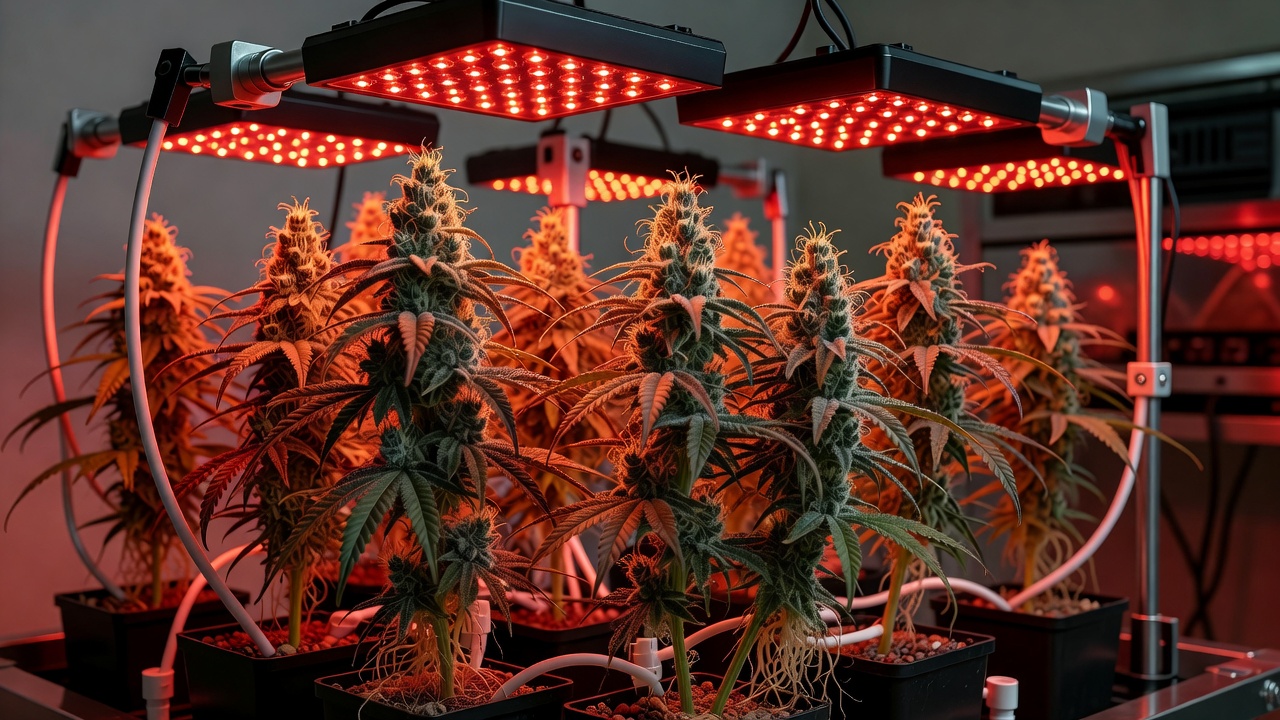
Modern full-spectrum LEDs enable spectrum shifts toward red wavelengths (around 660nm) during mid-flower to enhance resin production and terpene profiles. Practical guidance includes programming fixtures to increase red output by 20 percent starting at week four of flower. A concrete example is switching from a 4000K vegetative spectrum to a 3000K bloom setting on a 600W LED, which many growers report boosts trichome density by the sixth week.
Gradual Reductions to Minimize Plant Stress
Adjustments may include gradually reducing light hours from 18/6 over several days rather than an abrupt switch, which can reduce stress on plants. Hydroponic setups benefit from stable environments where temperature and humidity remain consistent alongside light changes. Research from authoritative sources such as USDA hemp resources highlights how controlled lighting influences cannabinoid development across various cultivation methods. In practice, reduce light by one hour per day for three days while monitoring leaf turgor to confirm minimal stress.
Scheduling Techniques Tailored to Indoor Seeds
Strain-Specific Photoperiod Strategies
Start by identifying your strain’s specific needs—indica-dominant varieties often respond well to strict 12/12 from day one of flower, while sativas may benefit from an initial 13/11 cycle for the first week. A practical example involves an OG Kush hybrid that receives exactly 12 hours from the switch, versus a Haze sativa that starts at 13 hours to prevent premature budding. Use reliable digital timers integrated with smart controllers to automate schedules and prevent deviations that could cause hermaphroditism.
Weekly Monitoring and Nutrient Alignment
Monitor plant response weekly and adjust light distance as buds develop to avoid light burn. For hydroponic systems, align nutrient changes with light schedule milestones, such as boosting phosphorus at the four-week mark under reduced photoperiod. Consistent records of daily light integral (DLI) values help optimize growth across multiple harvests. Aim for a DLI between 35 and 45 mol/m²/day during peak flower, adjusting fixture height accordingly.
Using Timers and Record Keeping
Implement backup battery timers in case of power outages. Log daily observations in a simple notebook or app, noting any shifts in bud swell or leaf color that signal the need for minor photoperiod tweaks.
Common Mistakes to Avoid in Grow Tents
Preventing Light Leaks During Darkness
Light leaks during the dark period represent one of the most frequent errors, potentially reversing flowering progress and reducing overall yields. Ensure grow tents are fully sealed with no gaps around doors, vents, or electrical entries. A common fix is applying blackout tape to seams and using light-proof cord ports, tested by standing inside the tent with lights off.
Avoiding Timer Inconsistencies and Spectrum Oversights
Inconsistent timer settings or power fluctuations can also disrupt the photoperiod, leading to stressed plants and lower potency. Overlooking spectrum adjustments with modern LEDs is another pitfall—keeping vegetative blue light dominant throughout flower limits bud density. Maintain proper light intensity, typically 600-900 PPFD in late flower, and avoid placing fixtures too close to canopy tops. Regular calibration of equipment prevents cumulative issues that compound over an eight-week flowering cycle.
Advanced Light Management Strategies
Dimmable LEDs and App-Controlled Profiles
Utilize dimmable LEDs to fine-tune intensity based on plant stage and strain genetics. Many 2026 models offer app-controlled spectrum profiles that automatically shift red-to-far-red ratios as flowering progresses. Pair these with environmental sensors to maintain ideal VPD levels alongside lighting changes. For instance, lower intensity to 70 percent during the final two weeks if plants show signs of light stress.
Supplemental Far-Red Lighting and Even Coverage
Implement supplemental far-red lighting for the final two weeks to promote faster ripening without extending overall cycle time. In hydroponic tents, position multiple smaller fixtures for even coverage rather than relying on a single high-output unit. This approach minimizes hotspots and supports uniform bud development across all plants. A typical setup uses three 200W bars arranged in a grid pattern at 18 inches above the canopy.
Yield Optimization Through Precise Lighting
Tracking Metrics for Continuous Improvement
Combine optimized photoperiods with targeted spectrum management to increase both biomass and cannabinoid content. Track metrics such as grams per watt and compare across cycles to identify the most effective schedules for your specific setup. Many growers report 15-25% yield improvements by gradually tapering light hours in the final weeks while maintaining high red spectrum output.
Integrating CO2 and Defoliation Techniques
Integrate CO2 supplementation during peak light periods to further boost photosynthesis rates in flowering plants. Regular defoliation timed with light adjustments improves light penetration to lower bud sites. These combined techniques deliver denser, more resinous flowers that meet the expectations of discerning home growers and enthusiasts. For example, removing fan leaves on day 21 and day 42 of flower under 800 PPFD often results in visibly thicker colas.
Conclusion
Effective photoperiod management in hydroponic cannabis cultivation requires attention to detail and the right equipment. By applying these scheduling techniques, avoiding common tent mistakes, and leveraging modern grow lights, indoor growers can achieve reliable, high-yielding results year after year. Continued experimentation with light parameters will further refine outcomes in controlled environments. Documenting each cycle’s light settings alongside final yields provides valuable data for future improvements.