
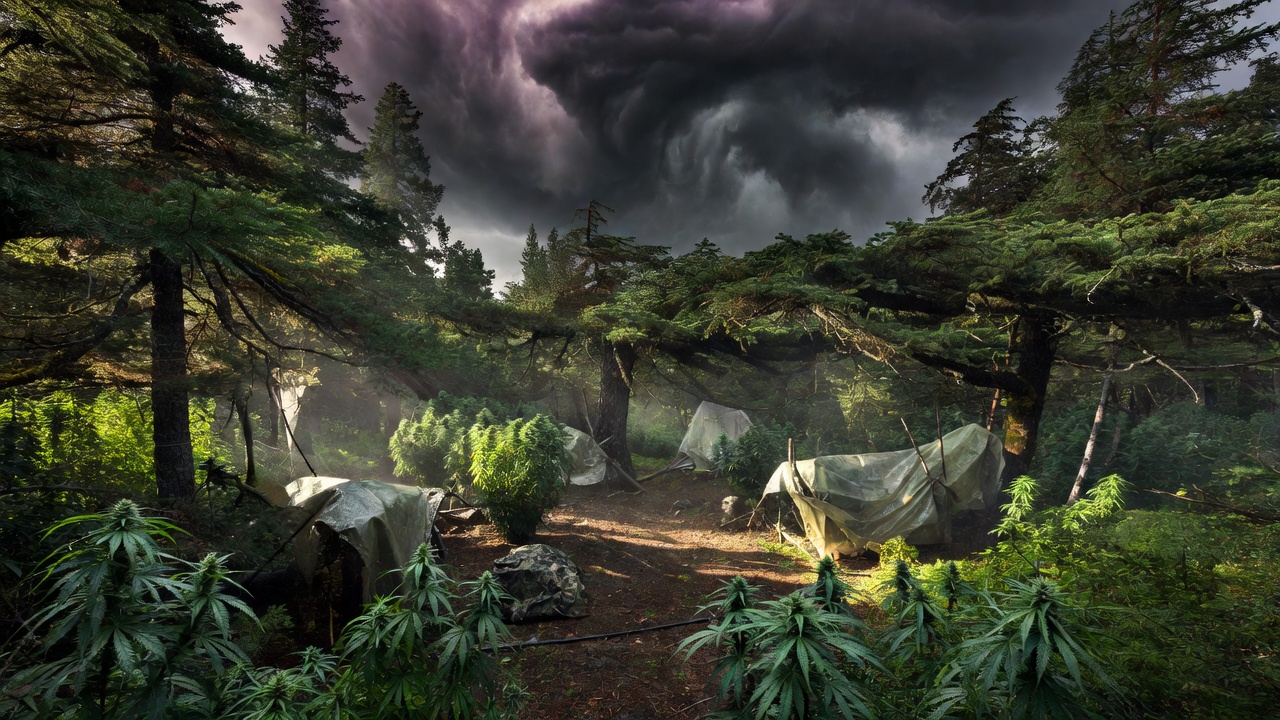
As climate patterns grow more erratic in 2026, outdoor cannabis cultivation demands resilient strategies and hardy genetics. Home growers and enthusiasts turning to guerrilla methods must adapt quickly to sudden temperature swings, heavy rains, and prolonged droughts. This guide delivers step-by-step techniques using robust outdoor seeds to protect plants, manage sites effectively, and secure strong harvests despite unpredictable conditions. For example, regions once known for stable summers now see week-long heatwaves followed by flash floods, forcing growers to prepare for both water scarcity and excess moisture in the same season.
Selecting Hardy Outdoor Seeds for 2026 Conditions
Choosing the right genetics forms the foundation of success in variable weather. Focus on strains bred for outdoor resilience, such as those with autoflowering traits or indica-dominant profiles that tolerate cooler nights and resist mold. Look for seed banks emphasizing climate-adaptive varieties developed for northern latitudes or high-humidity zones. These seeds often feature faster flowering times that help avoid late-season storms. Concrete choices include selecting autoflowering hybrids like those derived from ruderalis crosses, which finish in 8-10 weeks regardless of daylight changes, or indica-dominant photoperiod strains known for dense bud structure that sheds rain effectively.
Testing germination rates indoors before transplanting ensures viability. Start with small batches to evaluate performance under your local microclimate. Soak 10-20 seeds in water for 24 hours, then transfer to damp paper towels at 20-25°C; expect 80%+ sprouting within 3-5 days for quality stock. Pairing hardy seeds with organic soil amendments builds natural resistance from day one. Mix 30% compost, 20% perlite, and 10% worm castings into native soil to improve drainage and microbial activity, giving seedlings a strong start against early fungal threats.
Choosing and Preparing Guerrilla Growing Sites
Site selection is critical for minimizing risks in guerrilla operations. Seek remote locations with natural windbreaks like tree lines or slopes facing south for maximum sunlight. Avoid flood-prone lowlands and areas with heavy foot traffic. Ideal spots receive 6-8 hours of direct sun while remaining screened by dense foliage. Soil testing for pH and nutrient levels allows targeted improvements using compost or perlite. Use a portable pH meter or test strips aiming for 6.0-6.8; if readings fall below 5.5, incorporate agricultural lime at 1 kg per square meter and retest after two weeks.
Clear competing vegetation while leaving some cover for camouflage. Remove invasive grasses within a 2-meter radius but retain low shrubs to mask plant silhouettes. Install discreet irrigation systems fed by nearby water sources to handle dry spells. A gravity-fed drip line from a hidden rainwater barrel delivers 2-4 liters per plant every three days during drought. Always map multiple backup sites in case primary locations face unexpected threats such as new hiking trails or logging activity.
Protective Setups Against Extreme Weather
Building protective structures shields plants from 2026’s volatile elements. Use lightweight hoop houses covered with UV-stabilized plastic or shade cloth to buffer temperature extremes. Construct 1.5-meter-high frames from 20mm PVC pipes bent into arches spaced 1 meter apart, then secure with ground stakes driven 30 cm deep. Cover with 150-micron greenhouse film during cold snaps or 50% shade cloth during heatwaves exceeding 32°C. Secure frames with ground stakes and guy lines rated for high winds. For heavy rain events, elevated beds or raised mounds improve drainage and reduce root rot risks.
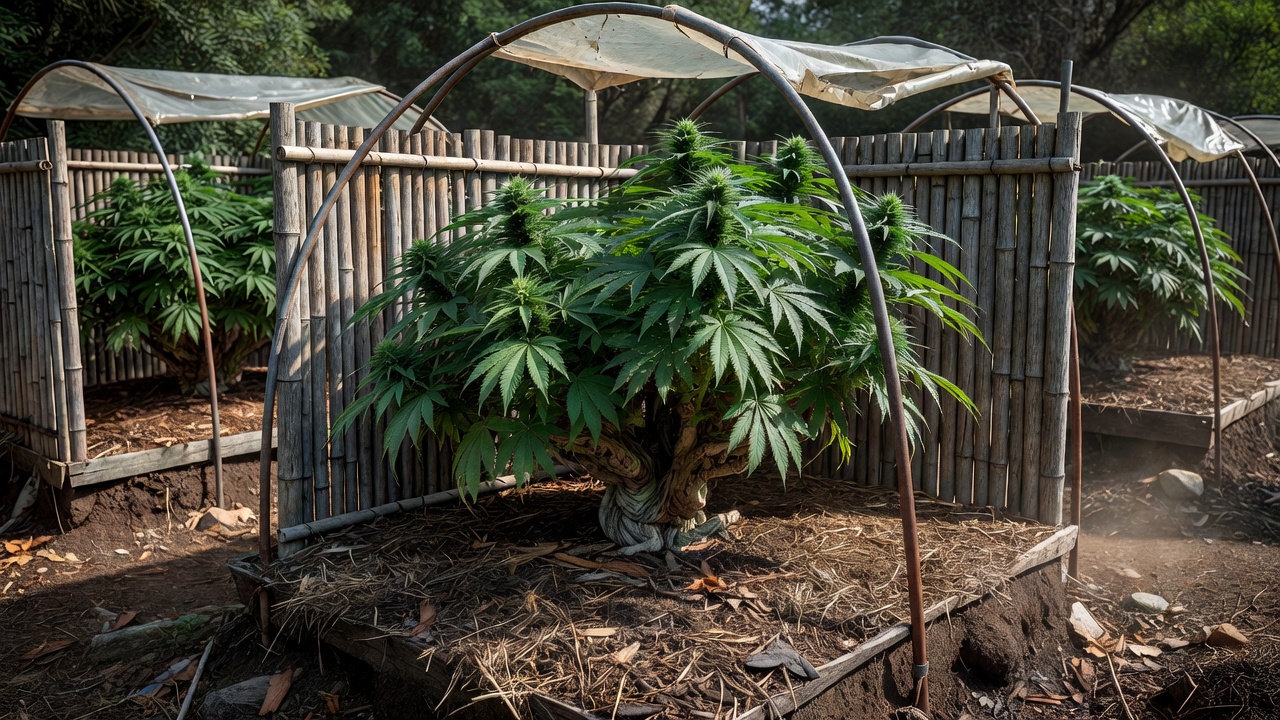
Windbreaks constructed from bamboo or recycled fencing further stabilize microclimates. Erect 2-meter bamboo screens on the prevailing wind side, anchored with rebar, to cut wind speed by 40% and raise nighttime temperatures by 2-3°C. Monitor forecasts daily and deploy temporary tarps or row covers during alerts. These setups integrate seamlessly into natural surroundings while providing reliable defense. In practice, a grower in a coastal area used modular row covers tied with bungee cords that could be deployed in under 15 minutes when storms approached.
Step-by-Step Site Management and Maintenance
Regular site visits maintain plant health without drawing attention. Begin each check by inspecting for pests and signs of stress, then water deeply but infrequently to encourage deep roots. Schedule visits at dawn or dusk, limiting time on site to 20-30 minutes. Water 5-10 liters per mature plant at the base once soil feels dry 5 cm down, promoting roots that reach 60 cm deep. Mulch heavily with organic materials to retain moisture and suppress weeds. Apply 5-8 cm of straw or wood chips around the base, keeping it 10 cm from stems to prevent rot.
Prune lower branches strategically to improve airflow and reduce disease pressure. Remove leaves and branches below 30 cm at week four of vegetation using sterilized shears. Rotate or adjust protective covers as seasons progress. Shift hoop-house plastic to ventilation mode once daytime highs stabilize above 18°C. Document growth milestones in a private journal to refine techniques over multiple cycles. Note dates of first true leaves, flowering onset, and any weather events alongside photos taken from consistent angles. Consistent maintenance routines compound into higher survival rates and better overall vigor.
Optimizing Plant Health and Maximizing Yields
Nutrient management tailored to outdoor realities supports robust development. Apply balanced organic fertilizers during vegetative stages and switch to bloom boosters at the right photoperiod triggers. Use a 5-5-5 NPK fish-and-seaweed blend at 1 tablespoon per liter every 10 days until pre-flowering, then transition to 2-8-10 bloom formula. Foliar feeding with compost teas strengthens immunity against fungal issues common in humid 2026 summers. Brew aerated compost tea for 24 hours using 1 part compost to 10 parts water and spray lightly every 14 days.
Training methods like low-stress training maximize light exposure in limited guerrilla spaces. Bend main stems at 45° angles and secure with soft ties to create multiple colas, increasing yield potential by 25-40%. Harvest timing based on trichome maturity rather than calendar dates accounts for weather delays. Check buds with a 60x loupe; harvest when 70-80% of trichomes turn milky with 10-20% amber. Proper drying and curing in controlled environments preserve potency and flavor from your hard-earned outdoor crop. Hang branches in a dark space at 18-21°C and 45-55% humidity for 10-14 days, then jar with daily burping for two weeks.
Common Challenges and Troubleshooting
Unexpected frost or heatwaves require rapid responses such as emergency coverings or supplemental watering. When forecasts predict below 5°C, deploy double-layer fleece covers overnight. Mold outbreaks demand immediate removal of affected foliage and improved ventilation. Cut out infected buds 5 cm beyond visible mold and increase airflow with additional bamboo stakes. Wildlife pressure calls for non-toxic deterrents like motion-activated lights or natural repellents. Solar-powered strobe units placed at knee height deter deer and rabbits without chemicals.
Tracking local climate data helps anticipate patterns and adjust plans proactively. Record rainfall and temperature from a simple weather station app over two seasons to predict optimal planting windows. Community forums for outdoor growers provide shared insights on region-specific adaptations without compromising operational security. Exchange coded messages about microclimate performance while avoiding location details.
Conclusion
Thriving with outdoor cannabis in 2026’s unpredictable climate hinges on hardy seeds, strategic guerrilla sites, and adaptable protective measures. By following these detailed techniques for site management and plant care, home growers can overcome environmental hurdles and achieve rewarding yields. Stay observant, prioritize resilience, and refine your approach each season for continued success. Small adjustments, such as earlier planting or extra mulch layers, often separate average harvests from exceptional ones under changing conditions.