
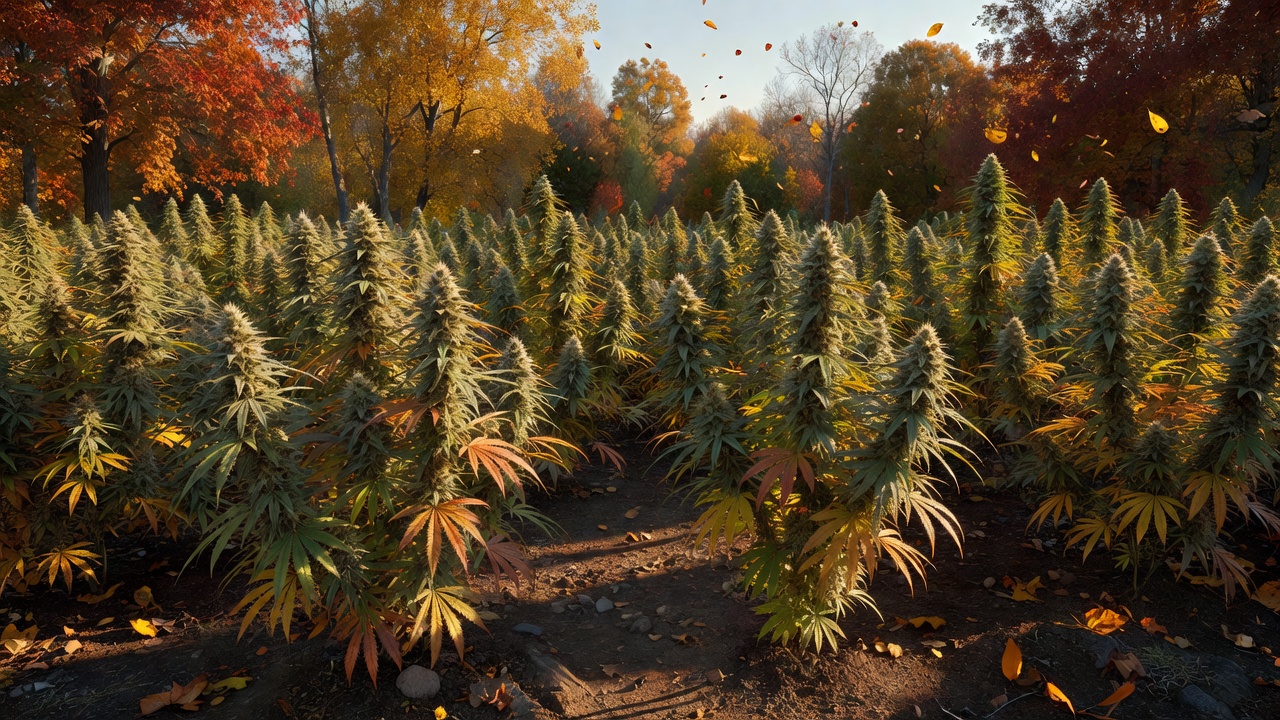
Harvesting outdoor cannabis at the precise moment maximizes potency, flavor, and yield while minimizing risks from weather and pests. For home growers in 2026, understanding trichome development and pistil maturation provides the most reliable signals. This guide walks through proven inspection techniques, seasonal weather influences, and strain-specific considerations to help you time your harvest perfectly. Proper timing can mean the difference between average buds and exceptional ones that deliver robust effects and smooth smoke. Many growers lose quality by rushing or delaying based on guesswork rather than data, so learning these visual cues builds confidence and consistency season after season.
Mastering Trichome Inspection for Peak Potency
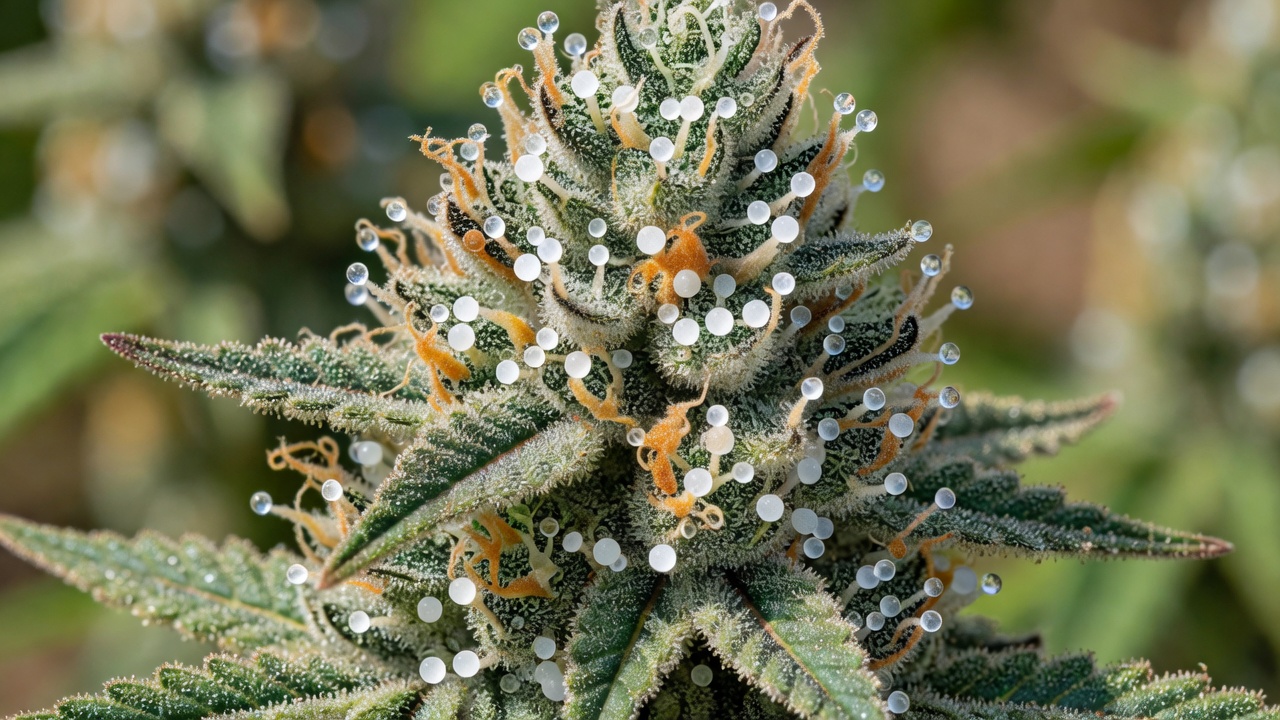
Trichomes are the tiny resin glands on cannabis buds and leaves that produce cannabinoids and terpenes. Their color changes signal maturity: clear trichomes indicate early stages with lower THC, while milky white ones represent peak THC levels. Amber trichomes signal THC degradation into CBN, which produces more sedative effects. Use a jeweler’s loupe or digital microscope with at least 60x magnification to examine buds from multiple plants and canopy levels. For concrete guidance, purchase a 60-100x handheld microscope with LED light and inspect in the morning when dew has dried. Focus on the calyxes rather than leaves, as these structures mature more evenly.
Begin checks two weeks before expected harvest. Sample buds from top, middle, and lower branches because they mature at different rates. Aim for 70-90% milky trichomes with 10-30% amber for a balanced high. Outdoor conditions can accelerate or delay this progression, so consistent monitoring is essential. In practice, a grower in a coastal climate might find top colas reach 80% milky by mid-October while lower branches lag at 60%, requiring a staggered harvest over several days. Document percentages daily in a notebook to spot trends and avoid harvesting too soon when most trichomes remain clear and potency is still building.
Interpreting Pistil Changes Accurately
Pistils, the hair-like structures on buds, offer a complementary visual cue. Early in flowering they appear white and upright. As maturity approaches, they darken to orange, brown, or red and curl inward. When 70-90% of pistils have changed color and receded, the plant is usually ready. Combine this with trichome data for confirmation, as pistil color alone can be misleading in humid conditions where browning occurs prematurely. A practical example involves checking three sites per plant: gently part the buds with clean fingers and count the proportion of curled pistils under good natural light.
Inspect multiple sites on each plant. Lower buds often show pistil changes later than top colas. Avoid harvesting solely on pistil color if trichomes remain mostly clear, as this can result in lower THC content. Use an ordered checklist: first note pistil percentage, then verify with trichomes, and finally assess overall bud swell and aroma strength. This layered approach prevents common errors such as cutting plants that look finished from above but still have clear trichomes underneath.
Accounting for 2026 Fall Weather Patterns
Fall 2026 is expected to bring variable temperatures and increased precipitation in many growing regions, according to NOAA climate outlooks. Early frosts or prolonged rain can damage mature buds through mold and bud rot. Monitor local forecasts closely starting in September and prepare protective measures such as temporary covers or early harvest if heavy rain is predicted. Concrete steps include setting phone alerts for humidity above 55% and keeping lightweight tarps or hoop-house plastic ready for quick deployment during storms.
Cooler nights accelerate trichome ambering, while warm days may extend the window. Track cumulative degree days and humidity levels. High humidity above 60% during late flower increases mold risk, prompting earlier harvest even if trichomes are not fully milky. In one documented case, a Midwest grower harvested three days early after three consecutive nights of 90% humidity, preserving 85% of the crop that would otherwise have developed botrytis. Always cross-check weather data with on-site observations of leaf texture and bud density.
Strain-Specific Harvest Timing Differences
Indica-dominant strains typically finish 1-2 weeks earlier than sativa-dominant varieties in outdoor settings. Autoflowering hybrids often reach maturity in 8-10 weeks from sprout regardless of season. Check breeder recommendations for your specific genetics, then adjust by 7-14 days based on local microclimate and observed trichome development. For example, a Northern Lights indica may signal readiness by late September while a Haze sativa needs until mid-October; test both with the same loupe to confirm the difference.
Landrace strains from equatorial regions may require longer flowering periods and show slower pistil changes. Document your plants’ progress in a grow journal to refine timing year after year. Record daily trichome percentages, weather notes, and final lab THC values if available. Over multiple seasons this data reveals patterns unique to your yard’s microclimate, such as a south-facing slope that ripens plants five days faster than the north side.
Optimizing for Maximum THC and Bud Quality
Flush plants with plain water 10-14 days before harvest to improve flavor. Reduce nitrogen and increase phosphorus-potassium nutrients in the final weeks. Maintain consistent temperatures between 60-75°F (15-24°C) during late flower to preserve terpenes. After cutting, dry in a dark space at 60-70°F with 45-55% humidity for 7-14 days to protect cannabinoids. A useful tip is to hang whole branches rather than individual buds to slow drying and retain moisture evenly.
Handle buds gently to avoid trichome damage. Cure in airtight jars, burping daily for the first two weeks. Proper post-harvest handling can increase perceived potency and smoothness significantly. Add humidity packs calibrated to 58-62% if jars drop below target levels, and avoid opening jars in bright light. These steps turn good outdoor harvests into premium product that stores well for months without losing aroma or effect.
Avoiding Common Outdoor Harvest Pitfalls
Many growers harvest too early due to impatience or weather anxiety, resulting in lower THC. Others wait too long and lose quality to rain or pests. Always cross-reference trichomes and pistils rather than relying on calendar dates alone. Protect against botrytis by improving airflow and removing affected material immediately. Install small fans under canopies on humid days and prune lower leaves two weeks prior to increase circulation.
Store harvested material away from direct light and heat to prevent cannabinoid degradation. Test a small sample from each plant if possible to confirm lab results align with visual assessments. Keep dried buds in opaque containers or paper bags inside a cool closet. These habits reduce waste and ensure every harvest meets the quality standards set during the growing season.
Conclusion
Precise harvest timing through trichome and pistil analysis, combined with awareness of 2026 weather trends and strain characteristics, delivers superior outdoor cannabis. Consistent observation and careful post-harvest practices ensure maximum THC retention and overall bud quality for home growers. By following these expanded techniques year after year, cultivators develop intuition that turns each season into a more reliable and rewarding experience.