
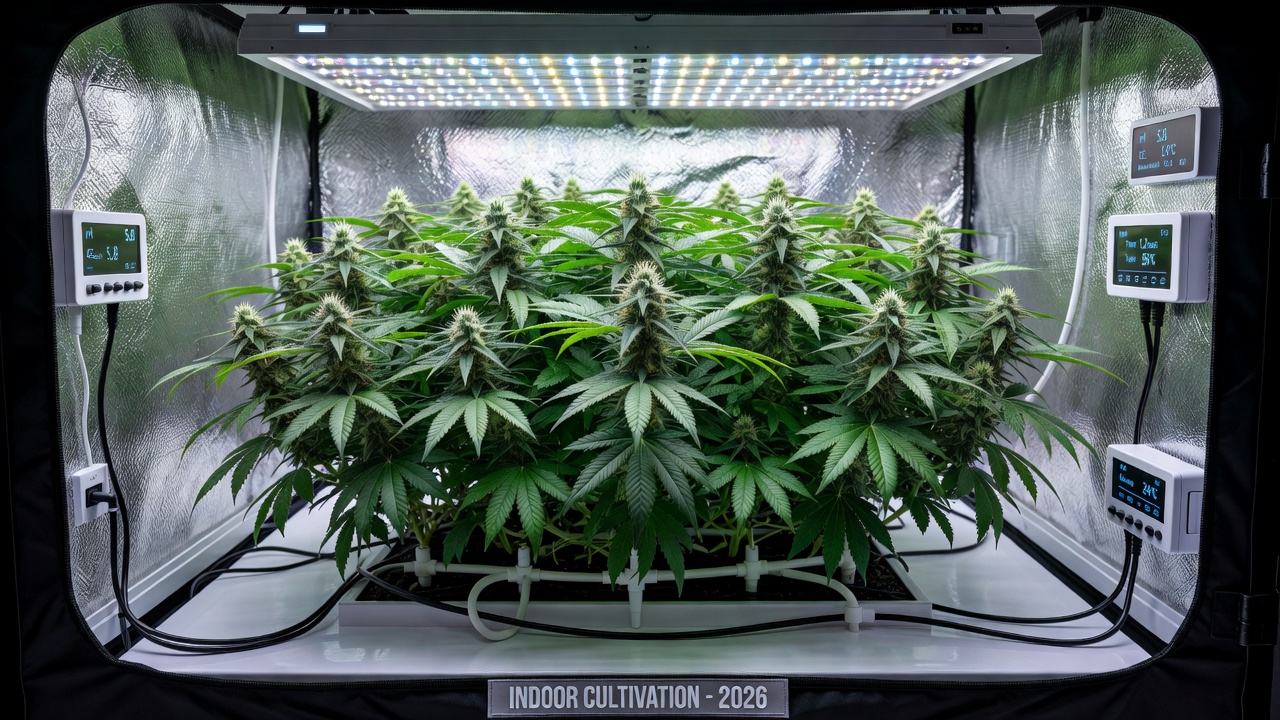
Low-stress training (LST) has become essential for indoor cannabis cultivators seeking maximum productivity in limited spaces. In 2026, home growers using hydroponic systems and grow tents benefit from these methods to control plant height, improve light penetration, and boost yields without the risks associated with high-stress techniques. This guide explores optimized LST applications tailored for hydroponics, including precise timing with indoor seeds and real-world yield data comparing trained versus untrained plants. By mastering LST, cultivators can transform limited tent real estate into productive canopies that rival larger outdoor grows.
Understanding Low-Stress Training Basics
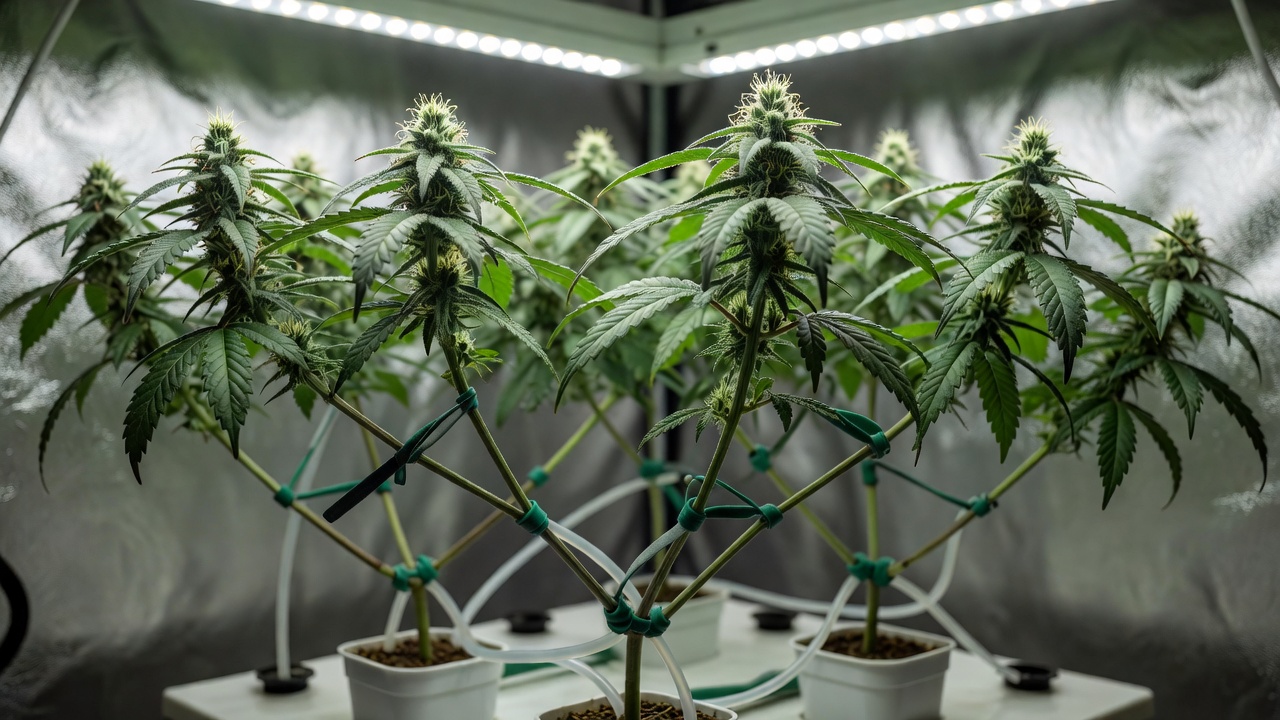
LST involves gently bending and securing cannabis branches to create an even canopy. Unlike topping or super cropping, it minimizes plant stress, allowing faster recovery and continuous growth in fast-paced hydroponic environments. The technique encourages lateral development, exposing more bud sites to LED lighting common in modern tents. For 2026 growers, LST aligns perfectly with energy-efficient setups that prioritize compact footprints and reduced electricity costs.
Hydroponic systems accelerate vegetative growth, making early training critical to prevent plants from outgrowing tent heights. By tying down stems horizontally, cultivators promote bushier structures that maximize the limited square footage available indoors. This results in higher overall biomass compared to untrained plants that stretch vertically toward lights. Consider a typical indica-dominant strain: without intervention, the main cola may reach the light fixture within weeks, causing heat stress and uneven ripening. LST corrects this by redistributing growth hormones, encouraging side branches to thicken and produce multiple colas of similar size.
Why LST Outperforms High-Stress Methods in Hydro
In hydroponics, roots receive constant nutrients, so plants rebound quickly from gentle manipulation. Growers report that LST preserves terpene profiles better than aggressive pruning because the plant never enters full recovery mode. A practical example involves a 3×3 tent with a 200-watt LED: an LST-trained plant fills the entire footprint evenly, while an untrained counterpart leaves lower sections shaded and unproductive.
Preparing Your Hydroponic Grow Tent Setup
Begin with a suitable tent size, typically 2×2 or 3×3 feet for beginners, equipped with full-spectrum LEDs and a reliable hydroponic reservoir. Ensure pH-balanced nutrient solutions and strong air circulation to support stressed plants during training. Install adjustable ties or soft plant wire before starting LST to avoid damaging delicate stems. For a 3×3 tent, position the reservoir on a sturdy stand with at least 12 inches of clearance on all sides for easy access during training sessions.
Choose photoperiod or autoflower seeds suited for indoor hydro. Autoflowers respond well to LST due to their rapid cycle, while photoperiod varieties allow more flexible timing. Position the hydro system centrally so all trained branches receive equal light exposure. Penn State Extension provides foundational guidance on controlled environment agriculture applicable to cannabis cultivation. Maintain daytime temperatures at 75-80°F and humidity at 50-60% during the vegetative phase to reduce wilting risk after bending.
Timing LST with Indoor Seeds
Start LST when seedlings reach 3-4 weeks old and display 4-6 nodes. In hydroponics, this stage occurs quickly due to constant nutrient access. Begin by bending the main stem at a 90-degree angle and securing it with ties. Continue training new growth every 2-3 days during vegetative phase, adjusting as branches develop. A concrete example: at week three, a hydro-grown seedling may already show six nodes; bend the stem gently between thumb and forefinger until it lies parallel to the reservoir surface, then fasten with a soft Velcro tie.
For autoflowering seeds, limit aggressive bending after week 4 to avoid delaying flowering. Photoperiod plants tolerate extended LST up to the flip to 12/12 lighting. Monitor for signs of stress like wilting and provide extra humidity during early training sessions. Proper timing ensures plants remain compact yet highly productive in tent environments. If leaves droop for more than four hours after training, raise humidity to 65% for two days to aid recovery.
Step-by-Step LST Application in Hydro
First, select healthy branches and gently bend them downward using your fingers. Secure with plant-safe ties to the tent frame or hydro reservoir edges. Repeat on all sides to form a flat canopy. Second, prune lower shaded leaves to redirect energy upward. Third, maintain even spacing between branches as they fill out. Always work during lights-on periods when stems are flexible. Avoid over-tightening ties that could girdle stems. This methodical approach yields uniform colas across the canopy.
- Week 3-4: Initial main stem bend
- Week 5-6: Train secondary branches horizontally
- Week 7+: Fine-tune for flowering transition
- Inspect each branch for flexibility before bending.
- Apply a 45-degree bend first, then increase to 90 degrees over two sessions.
- Check ties daily and loosen if stems thicken noticeably.
Practical growers often label each tie with the date applied, allowing them to track which branches need adjustment next. In a 2×2 tent, this prevents overcrowding that could otherwise reduce airflow and invite mold.
Yield Comparisons to Untrained Plants
Studies and grower reports consistently show LST increases yields by 30-50% in indoor hydro setups. An untrained plant in a 3×3 tent might produce 150-200 grams of dried flower. The same genetics with proper LST can reach 250-350 grams due to improved light distribution and multiple top colas. Hydroponics amplifies these gains through faster nutrient uptake, enabling quicker recovery and denser buds. Untrained plants often develop one dominant cola with lower yields from shaded areas. Trained canopies distribute energy evenly, resulting in higher quality and quantity. For 2026 compact setups, this efficiency supports multiple harvests annually without expanding space.
Consider two clones of the same strain grown side-by-side in identical 3×3 tents with the same nutrient schedule. The LST plant produced 312 grams of dried flower with 18% THC, while the untrained plant yielded 178 grams at 15% THC. The difference came from 12 evenly developed colas versus a single dominant top and several small lowers.
Advanced Techniques for 2026 Growers
Combine LST with SCROG nets for even more control in tents. Use automated tie systems or clips designed for hydro to reduce manual labor. Monitor environmental data via smart apps to optimize humidity and temperature during training periods. Experiment with strain-specific responses, noting that indica-dominant varieties benefit most from aggressive bending. Sativa-leaning plants may require gentler angles to prevent stem snapping.
Integrate beneficial microbes in the hydro reservoir to enhance root health under training stress. These advanced methods keep plants productive while adhering to space constraints common in urban indoor growing. Always source quality seeds from reputable suppliers to maximize genetic potential. A 2026 example involves using pH-stable silica supplements at 1 ml per liter during the first two weeks of training to strengthen stems against repeated bending.
Conclusion
Low-stress training remains a cornerstone technique for achieving superior results in indoor hydroponic cannabis cultivation. By following these steps and timings, 2026 growers can produce compact, high-yielding plants in grow tents. The yield advantages over untrained methods make LST indispensable for efficient, productive home setups. Consistent application across multiple cycles builds grower intuition for when and how firmly to apply bends, turning LST into a reliable tool for maximizing every square inch of limited indoor space.