
Introduction to Lighting Autoflowers
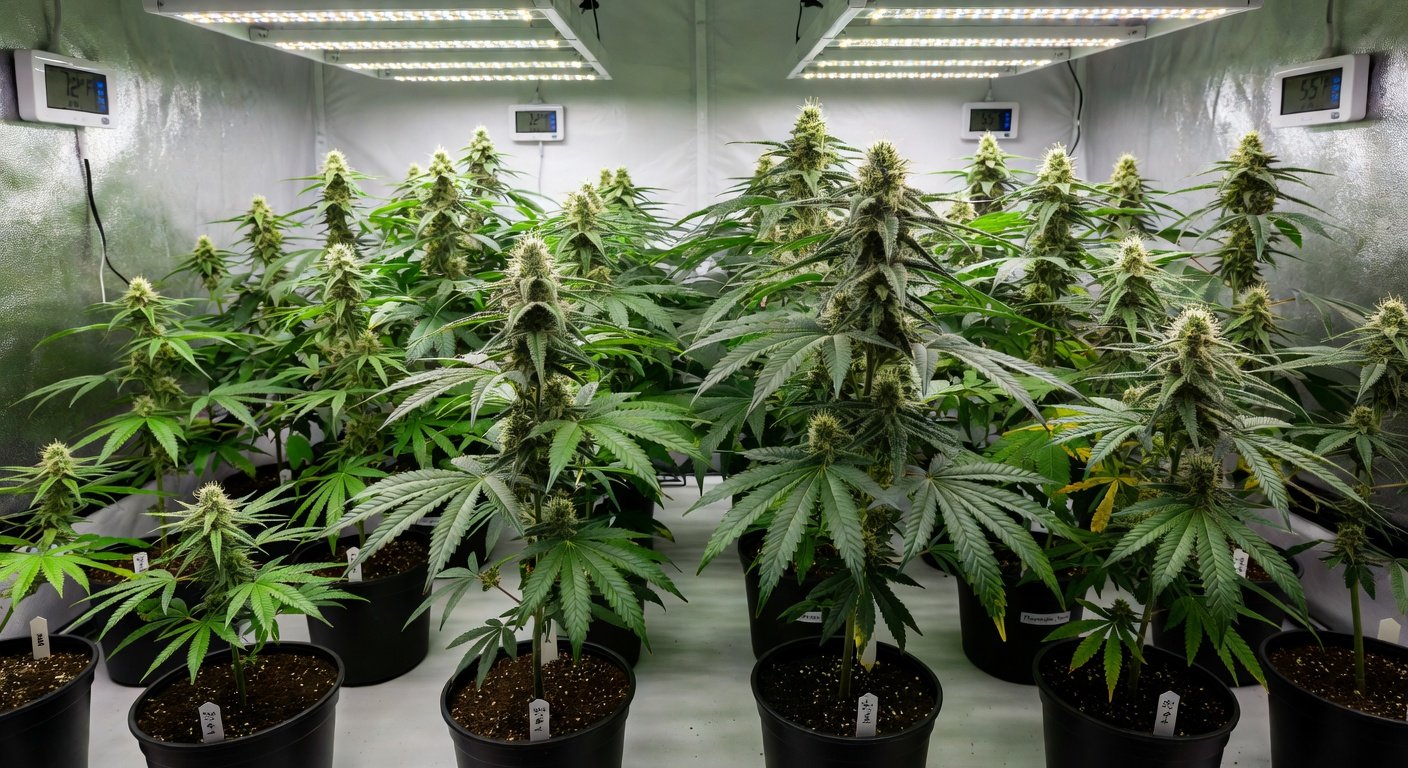
Autoflowering cannabis strains have revolutionized home growing by eliminating the need for light schedule changes to trigger flowering. These plants transition automatically from vegetative growth to bloom, typically within 2-4 weeks from seed. For optimal results in 2026, understanding light cycles and intensities is crucial for home growers using tents or indoor setups. Proper lighting directly influences growth speed, yield, and cannabinoid potency.
Recommended Light Cycles from Seed to Harvest
Autoflowers thrive under extended photoperiods because they do not rely on darkness to flower. The most popular schedules are 18/6 and 20/4, with some opting for 24/0. Starting from germination, maintain consistent light to support rapid development. Seedlings benefit from 18 hours of light daily to establish strong roots and foliage without overwhelming young plants.
As plants enter the pre-flower stage around week three, increasing light hours can accelerate bud formation. Harvest typically occurs at 8-12 weeks total. Avoid reducing light hours, as this offers no benefit and may reduce overall biomass.
18/6 vs 20/4: Weighing the Options
The 18/6 cycle provides 18 hours of light and 6 hours of darkness. This schedule mimics natural conditions somewhat while allowing plants rest periods that aid in nutrient uptake and stress recovery. Many growers report balanced growth and solid yields with lower electricity costs. In contrast, 20/4 delivers 20 hours of light and just 4 hours of rest, often resulting in faster vegetative growth and slightly higher yields due to increased photosynthesis time.
Debates center on plant health: 20/4 may boost production but risks minor stress if intensities are too high. Studies suggest both perform well, with 20/4 edging out in controlled tests for certain genetics. Choose based on your setup and energy budget.
Optimal Light Intensities for Each Stage
Light intensity measured in PPFD is key. Seedlings need 200-400 µmol/m²/s, vegetative plants 400-600, and flowering 600-900. Keep distances appropriate to prevent burn—start LEDs at 24 inches and adjust based on plant response. Monitor daily light integral (DLI) around 30-40 mol/m²/day for peak performance.
Comparing LED, HPS, and Fluorescent Lighting
LEDs dominate modern autoflower grows for efficiency and full-spectrum output tailored to cannabis needs. They run cool, consume less power, and support high intensities without excess heat. HPS lights deliver intense red-orange spectrum excellent for flowering but generate significant heat, requiring robust ventilation in tents. Fluorescent options like T5s suit seedlings and clones with gentle, broad light but lack intensity for dense buds later on.
LEDs offer the best long-term value for home enthusiasts, while HPS suits budget flowering boosts and fluorescents excel early on. Hybrid approaches combining LEDs with supplemental fluorescents are popular.
Pro Tips to Prevent Stretching and Light Stress
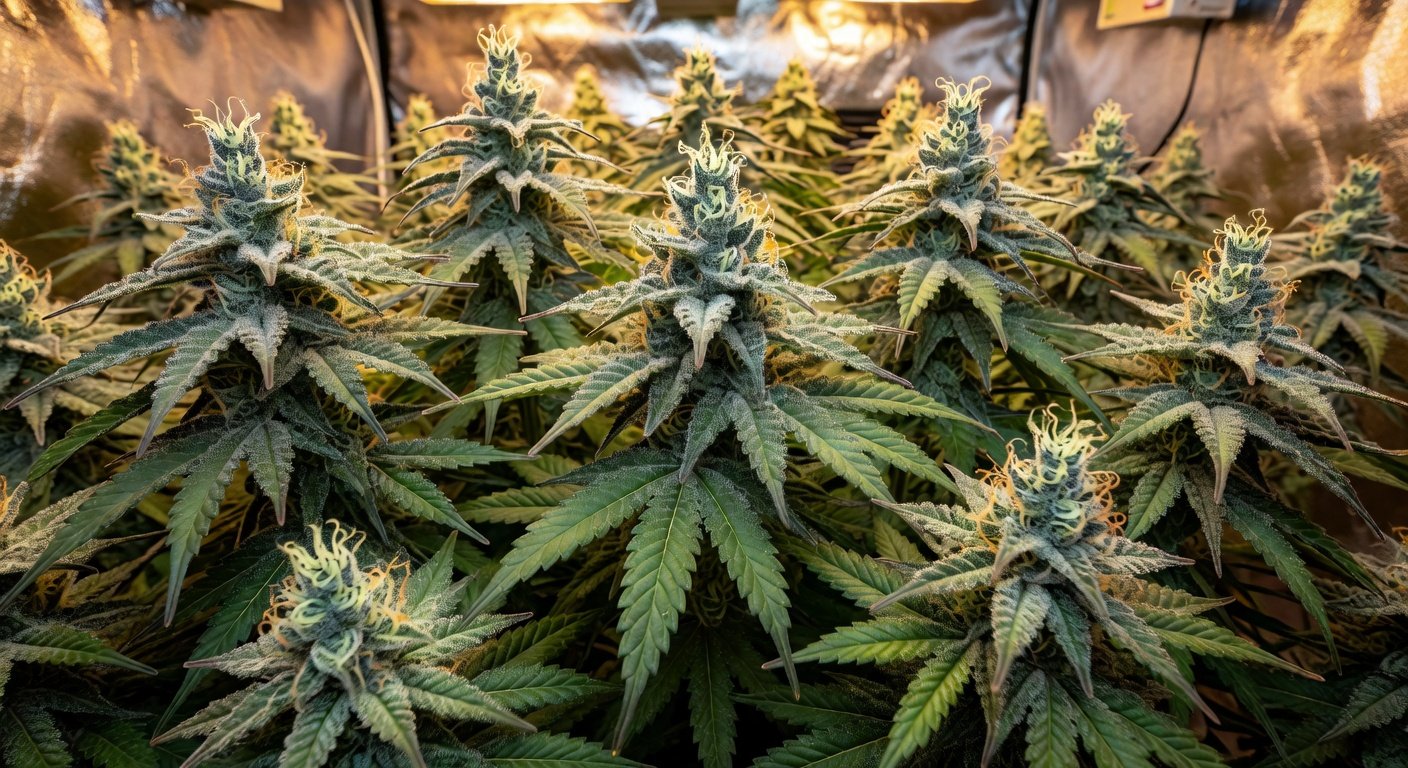
Prevent stretching by maintaining proper intensity from day one and using blue-heavy spectra early. Rotate plants weekly for even exposure. For light stress signs like bleaching or tacoing leaves, raise fixtures immediately and dim if possible. Ensure 12-18 inches between canopy and lights depending on type. Use fans for air circulation to strengthen stems naturally.
Maximizing Potency with Smart Lighting
To enhance THC and terpene levels, focus on consistent full-spectrum lighting through bloom and consider slight UV supplementation in late flower with specialized LEDs. Avoid over-lighting that causes stress and reduces quality. Pair optimal cycles with quality autoflower seeds from reputable breeders for genetic potential. Track environmental factors like humidity at 40-50% during flower.
Further insights on cultivation science are available from University of Minnesota Extension and research summaries at National Institutes of Health. Experiment with small adjustments per strain to dial in your ideal setup and enjoy bountiful, potent harvests year-round.