
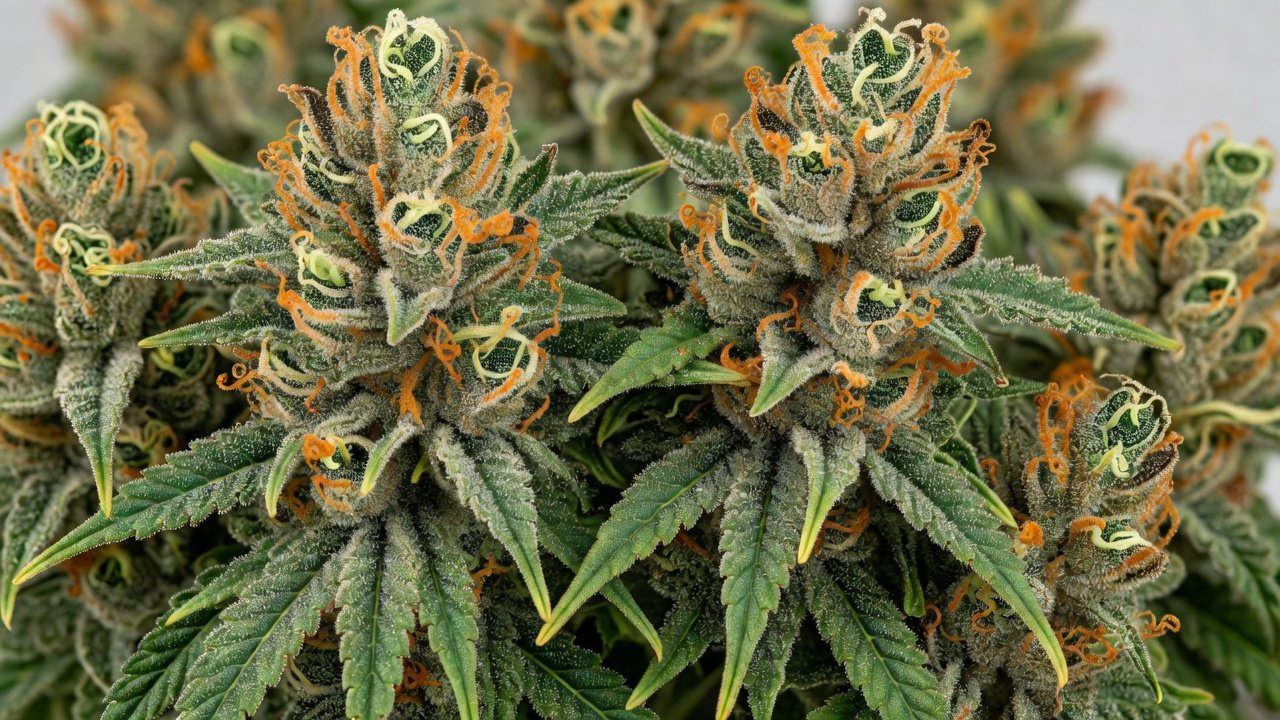
Introduction to Sour Diesel in 2026
Sour Diesel remains one of the most iconic sativa-dominant strains available to home cultivators and enthusiasts. Its reputation for delivering clear-headed energy paired with a distinctive fuel-like aroma has kept it relevant even as new hybrids flood the market. In this 2026 spotlight review, we examine fresh testing data, real-world effects, and practical growing strategies tailored for growers seeking reliable high yields.
Whether you are selecting seeds for flavor intensity or building a home garden focused on potent sativas, Sour Diesel offers a classic benchmark. Recent lab results confirm its balanced cannabinoid profile while highlighting improvements in modern seed stock stability. Home growers often turn to this strain when they want predictable performance without sacrificing the sharp, energizing character that made it famous decades ago.
Energizing Effects and 2026 Cannabinoid Profile
Users consistently report an uplifting cerebral high that promotes focus and creativity without heavy sedation. This makes Sour Diesel ideal for daytime use or creative projects. According to aggregated 2026 testing from multiple licensed labs, average THC levels range from 19% to 24%, with standout batches reaching 26%. CBD content typically falls between 0.4% and 1.1%, providing a gentle balancing effect that reduces anxiety for many consumers.
The strain’s terpene profile, rich in limonene and caryophyllene, contributes to its mood-enhancing properties. Growers note that plants expressing higher myrcene levels tend to deliver slightly more relaxing body effects while still maintaining the signature heady lift. These findings align with ongoing research from sources such as https://norml.org. For practical application, many users microdose Sour Diesel in the morning to sustain productivity during work sessions or artistic endeavors, reporting improved concentration for two to three hours before a smooth taper.
Real-World User Experiences
Practical examples from 2026 grower forums show that Sour Diesel shines when consumed via dry herb vaporizer at 175-185°C, releasing limonene-forward notes while minimizing harshness. One indoor cultivator in Colorado documented journaling sessions where a single bowl improved idea generation without the jittery edge sometimes found in higher-THC hybrids. Another grower in Oregon noted that pairing modest doses with light physical activity like gardening amplified the creative benefits while keeping anxiety at bay thanks to the modest CBD presence.
Pungent Diesel Flavor and Aroma Characteristics
The flavor experience begins with a sharp, gasoline-like inhale that quickly transitions into earthy citrus notes on the exhale. This pungent diesel aroma is produced by high levels of terpenes including beta-caryophyllene and limonene. In 2026 sensory evaluations, testers rated Sour Diesel’s aroma intensity at 8.7 out of 10, placing it among the most distinctive classics still in circulation.
Proper curing enhances these flavors significantly. Growers who dry buds slowly at 60-65°F with 55-60% humidity preserve the volatile compounds responsible for the strain’s signature scent. Over-drying quickly dulls the diesel punch that enthusiasts seek. A concrete example comes from a Pacific Northwest grower who maintained 58% humidity for ten days, resulting in buds that retained their fuel-forward profile even after three months of jar storage with occasional burping.
Optimizing Post-Harvest Handling
To further protect terpenes, cultivators recommend trimming fan leaves before hanging whole branches rather than wet trimming, which can strip away surface resins. One practical tip is to use paper bags for the first 48 hours of drying to slow moisture release, then transition to mesh racks. This staged approach has helped many home growers maintain the 8.7 aroma rating through the entire curing window.
Cultivation Techniques for High-Yield Sativas
Sour Diesel thrives in warm, sunny conditions and responds well to training methods that maximize light penetration. Indoor growers achieve impressive results using SCROG setups that encourage lateral branching and even canopy development. Expect flowering times of 9-10 weeks with yields reaching 500-600 grams per square meter under optimal LED lighting.
Outdoor cultivation in Mediterranean-style climates produces the highest biomass. Plants can stretch to 2 meters or more, so early topping and LST techniques are essential. Nutrient schedules should emphasize nitrogen during vegetative growth before switching to bloom formulas rich in phosphorus and potassium.
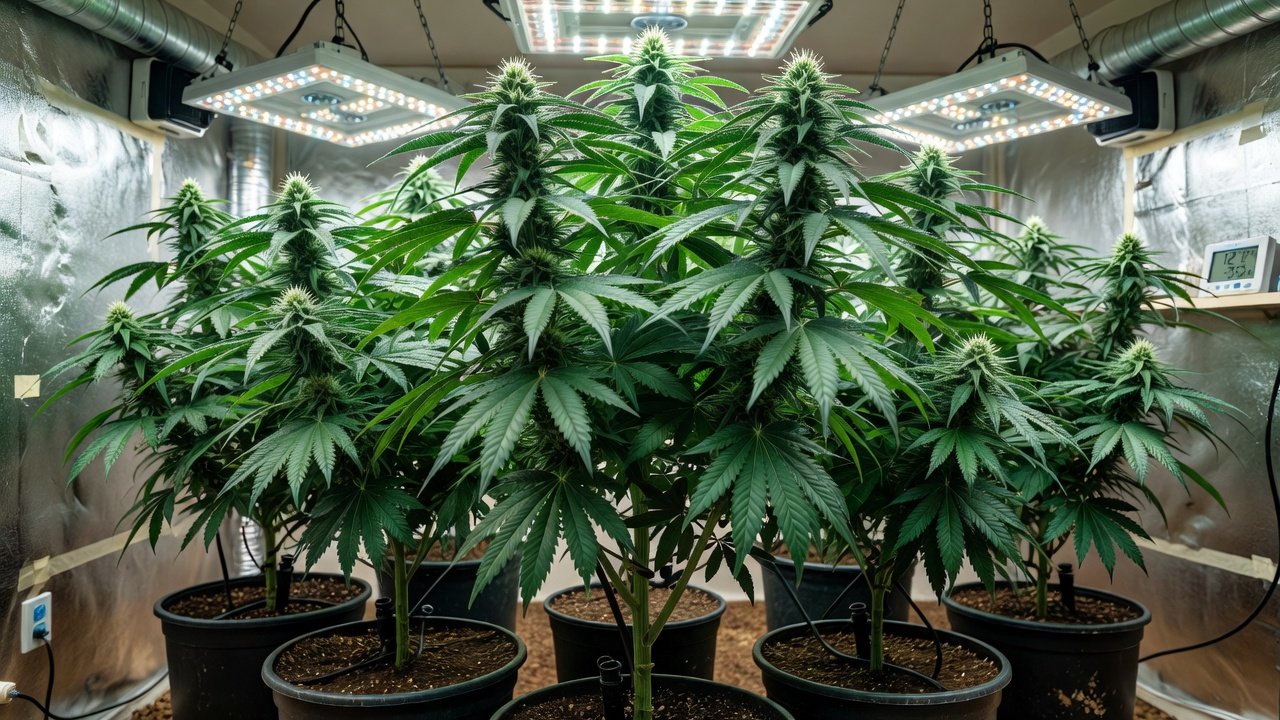
Common challenges include susceptibility to powdery mildew in humid environments. Regular airflow and defoliation help mitigate this risk. Many experienced cultivators recommend organic soil mixes amended with compost teas to support robust terpene development. For instance, a grower in Northern California reported success by applying a weekly aerated compost tea containing fish hydrolysate and kelp during weeks three through six of flower, which boosted both yield and the intensity of the diesel aroma.
Step-by-Step Indoor SCROG Example
- Start 4-6 feminized Sour Diesel seeds in 1-gallon pots under 18/6 lighting.
- Top plants at the fourth node and begin low-stress training to spread branches horizontally.
- Install a SCROG net at 12 inches above soil once plants reach 18 inches tall.
- Switch to 12/12 lighting once the canopy fills 70% of the net and begin bloom nutrients at 600 ppm.
- Defoliate lower shaded leaves weekly and maintain 78°F day / 68°F night temperatures with 45% humidity in flower.
Seed Selection Tips for Flavor and Potency
When purchasing Sour Diesel seeds, prioritize breeders who provide recent COA data and stability reports. Look for feminized or regular seeds from reputable sources that maintain original genetics rather than heavily crossed versions. 2026 market options include stabilized lines with improved resistance to common pests.
Buyers focused on maximum potency should select phenotypes that test above 22% THC in vendor trials. For flavor preservation, choose seed banks that emphasize terpene-rich mother plants. Always verify germination rates and request batch-specific lab results before committing to large purchases. A practical example is contacting the breeder directly for photos of mother plants and recent third-party terpene panels, which many 2026 vendors now supply upon request.
Comparing Sour Diesel to Current Market Options
Modern sativa hybrids such as Sour Tangie or Durban Poison derivatives offer similar energy but often lack the raw diesel intensity. Sour Diesel continues to stand out for its balanced effects and reliable yields. Newer autoflower versions provide faster turnaround but sacrifice some flavor depth and potency consistency compared with photoperiod classics.
Home growers weighing options should consider space, desired effects, and harvest timing. Sour Diesel remains a strong choice for those who value its historic profile and proven cultivation performance over novelty strains. One grower who tried both noted that while an autoflower Sour Diesel cross finished in 75 days, the terpene complexity and 24% THC ceiling of the photoperiod version justified the extra three weeks of flowering time.
Final Thoughts for Home Cultivators
Sour Diesel delivers on its legacy promise of energizing effects, unmistakable aroma, and solid yields when grown with attention to detail. With 2026 testing confirming stable cannabinoid ratios and refined seed availability, this strain continues to earn its place in home gardens. Focus on proper environmental control and quality genetics to enjoy the full potential of this enduring favorite. Concrete steps such as monitoring VPD during flower, using organic amendments, and selecting verified seed stock translate directly into higher-quality harvests that preserve the strain’s iconic character year after year.