
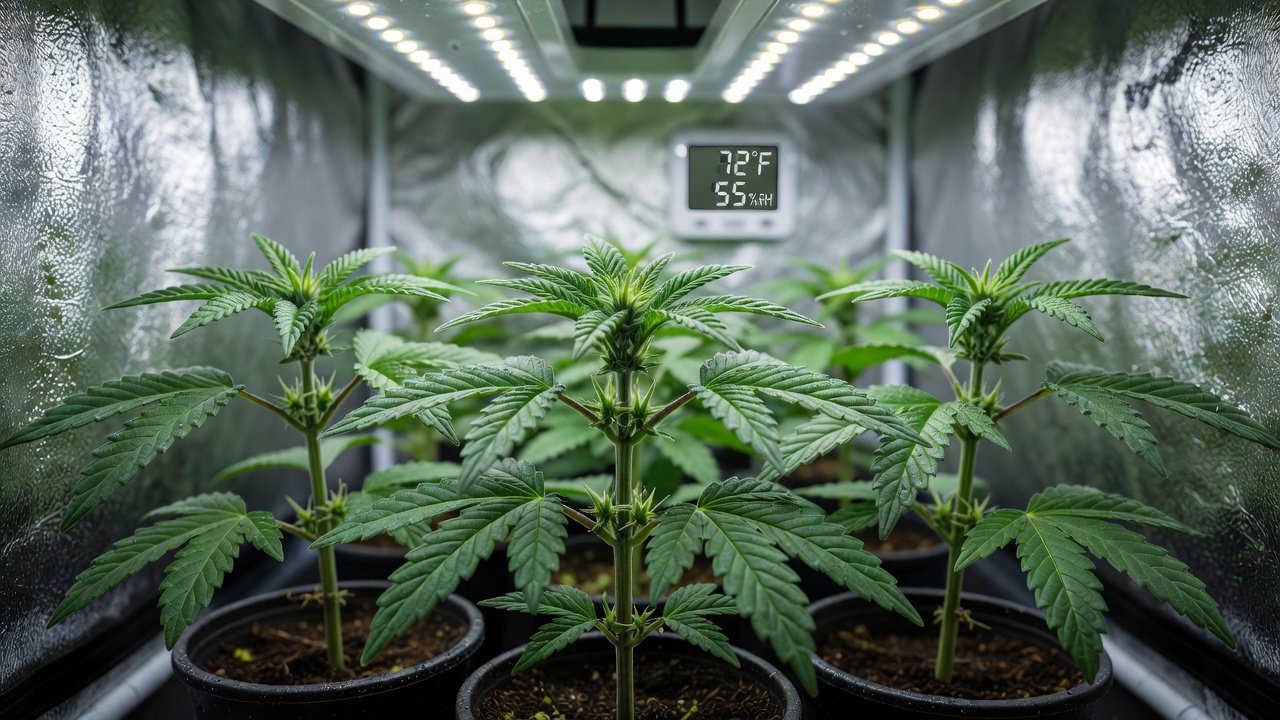
Identifying the sex of cannabis plants early is essential for home growers aiming to optimize yields and avoid pollination issues. In 2026, seed buyers benefit from refined best practices that combine traditional observation with modern cultivation tools. This guide details proven methods to distinguish male from female plants before full flowering, helping you remove males promptly and focus resources on productive females. Early sexing saves significant time and resources because male plants produce pollen that can fertilize females, leading to seeded buds with lower cannabinoid content. Home cultivators in 2026 often start with small tent setups or balcony gardens, making precise identification even more critical when space is limited.
Understanding Cannabis Sexing Basics
Cannabis plants are dioecious, meaning individual plants are either male or female. Females produce the resinous flowers sought for consumption, while males generate pollen sacs that can fertilize females and reduce potency. Starting from seed in 2026 requires patience during the vegetative stage, as sex becomes apparent around the fourth to sixth week. Early detection prevents wasted space and nutrients on unproductive males. For example, a grower with a 4×4 tent can fit eight plants in veg but may only keep four females after sexing, reallocating light and airflow immediately.
Dioecious Nature and Pollination Risks
Because cannabis is dioecious, each seed has roughly a 50 percent chance of being male when using regular seeds. Females develop pistillate flowers that collect pollen, while males form staminate structures. If pollen reaches female flowers, buds become seeded and lose potency. Practical guidance includes labeling each plant with tape and noting node changes daily once plants reach the fourth week.
Modern growers emphasize environmental stability to encourage clear pre-flower development. Consistent temperatures between 70-80°F and humidity around 50-60% support healthy growth without triggering stress that might mask sex characteristics. Selecting high-quality feminized or regular seeds from reputable sources sets the foundation for successful sexing. In practice, maintain a logbook recording daily temperature swings and any leaf discoloration that could indicate nutrient issues masking pre-flowers.
Visual Cues for Early Identification
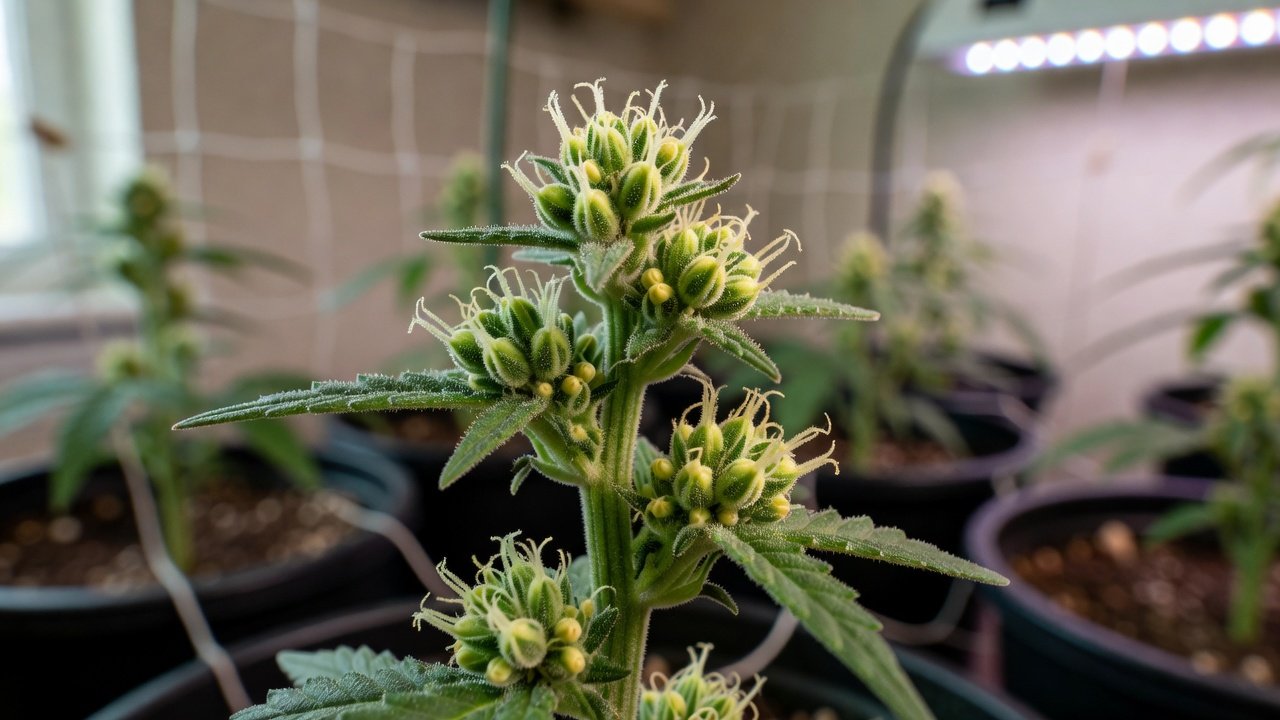
The most reliable early signs appear at the nodes where branches meet the stem. Female pre-flowers form small, pear-shaped calyxes with white pistils emerging, typically visible under magnification. Male pre-flowers develop round pollen sacs that resemble tiny balls, lacking the hair-like pistils. Examining plants with a jeweler’s loupe or digital microscope reveals these differences clearly by week five. A concrete example is checking the fourth node from the top under 30x magnification around day 28; females show a tiny V-shaped calyx with two white hairs, while males show smooth round bumps.
Leaf structure and growth patterns offer supplementary clues. Females often exhibit more compact, bushy growth with thicker stems, while males tend toward taller, spindlier forms. However, these traits vary by strain, so node inspection remains the gold standard. Avoid confusing stipules with pre-flowers, as they appear on both sexes early on. Use a consistent checklist: look for pistils versus sacs, note stem thickness, and photograph each node weekly for comparison.
Timelines and Growth Stages
From germination, cannabis enters the vegetative phase lasting three to six weeks depending on lighting and genetics. Sexing becomes feasible once plants reach 4-6 inches tall with several node sets. In 2026 home setups, many growers switch to a 12/12 light cycle around week four to accelerate pre-flower visibility without full bloom stress. For instance, an autoflower grower might keep 18/6 lighting but still inspect nodes at week four, while photoperiod plants benefit from the flip to reveal sex faster.
Regular monitoring every two days after week four catches changes quickly. Some fast-flowering strains reveal sex as early as week three under optimal conditions. Delaying identification risks males releasing pollen, which can ruin an entire crop if not removed immediately. Set calendar reminders on your phone for node checks at days 21, 28, and 35 post-germination.
Tools and Techniques for Home Growers
Essential tools include a 30x-60x magnifying loupe, good lighting, and a notebook for tracking plant progress. Digital apps now assist with photo analysis in 2026, though manual inspection stays most accurate. Clone a branch from suspect plants and force it into flower under 12/12 lights for confirmation without affecting the main plant. This cloning method works well for valuable genetics: take a 4-inch cutting, root it in water for seven days, then flower it separately to confirm sex.
Stress methods like gentle bending or slight nutrient adjustments can sometimes hasten pre-flower expression but should be used sparingly. Over-stressing risks hermaphroditism. Always work in clean environments to prevent contamination during close examination. Sanitize your loupe with isopropyl alcohol between plants to avoid spreading pests.
Lighting, Stress Methods, and Cultivation Tips
Full-spectrum LED lights at 18-24 hours during vegetation promote vigorous growth and clear sex expression. Position lights 18-24 inches above plants to avoid heat stress that could distort pre-flowers. In 2026, smart controllers help maintain precise schedules for consistent results across multiple plants. A practical schedule example is 20 hours on, 4 hours off, with lights raised gradually as plants stretch.
Minor stress techniques, such as low-stress training, encourage even canopy development and better light penetration for spotting pre-flowers. Avoid high-stress methods like topping until sex is confirmed. Monitor pH levels between 6.0-7.0 in soil to support overall plant health during this critical period. Keep a simple pH meter handy and test runoff water weekly.
Common Mistakes to Avoid in Home Setups
Many beginners misidentify pre-flowers due to insufficient magnification or rushing the process before week four. Another frequent error is overlooking males hidden among females, leading to accidental pollination. Always isolate and remove males as soon as pollen sacs appear. Use a dedicated removal bag to carry males outside without releasing pollen indoors.
Poor lighting or inconsistent environments can delay or obscure sex traits. Overwatering or nutrient imbalances also hinder clear development. In 2026, investing in quality ventilation prevents mold issues that might complicate inspections. For authoritative guidance on cannabis regulations and safe cultivation, consult Health Canada. Keep a spare fan running at low speed to maintain steady airflow around nodes during inspection periods.
Maximizing Yields Through Prompt Action
Removing males early frees up space, light, and nutrients for female plants, potentially increasing yields by 30-50%. Track your plants’ progress in a grow journal to refine techniques season after season. Combining early sexing with proper lighting and minimal stress ensures robust, high-quality harvests for home enthusiasts. After culling males, top the remaining females once and begin low-stress training to fill the canopy evenly, resulting in denser colas at harvest.