
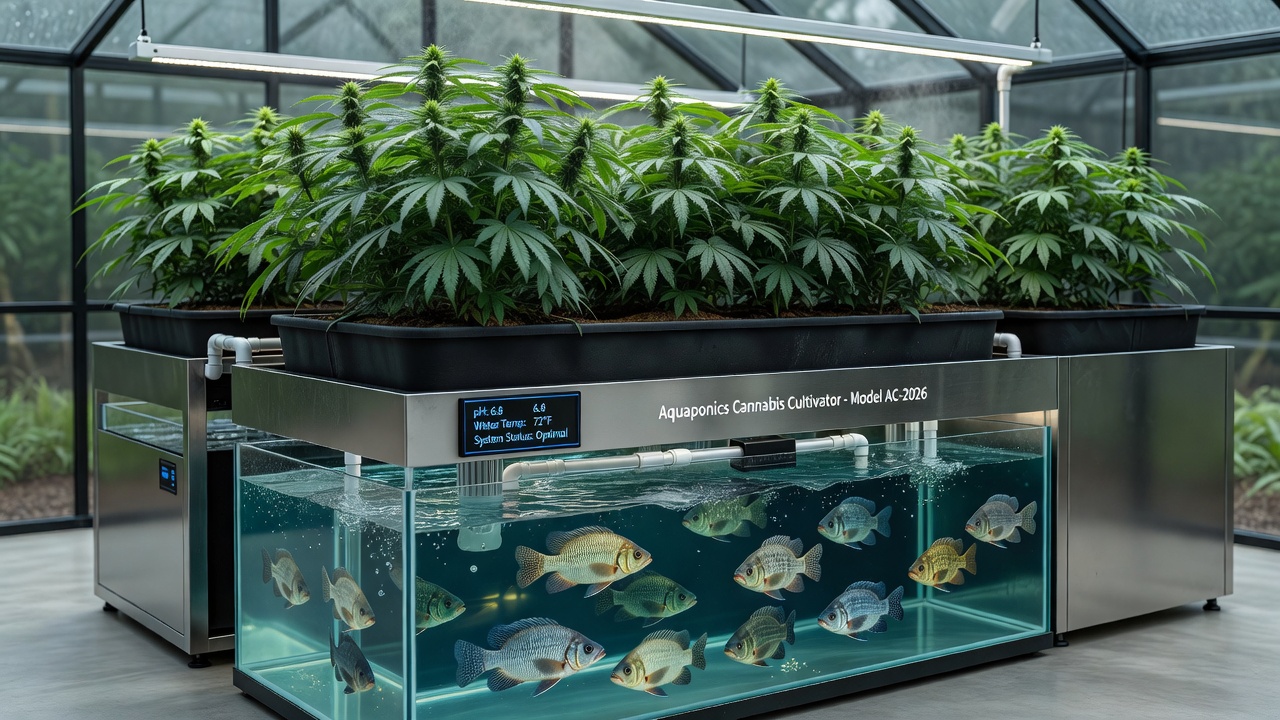
Setting up an aquaponics system offers home growers a sustainable way to cultivate cannabis from seed while harnessing natural nutrients from fish waste. This closed-loop method combines aquaculture and hydroponics, creating a balanced ecosystem that minimizes waste and external inputs. In 2026, eco-conscious cultivators are increasingly turning to these systems to reduce their environmental footprint without sacrificing plant quality or yields.
Understanding Aquaponics for Cannabis Cultivation
Aquaponics integrates fish farming with cannabis growing, where fish produce ammonia-rich waste that beneficial bacteria convert into nitrates—essential nutrients for plant growth. Cannabis thrives in this environment because it receives a steady supply of organic nutrients, promoting robust root development and vigorous vegetative growth. Unlike traditional soil methods, aquaponics eliminates the need for synthetic fertilizers, aligning perfectly with sustainable practices favored by modern seed buyers.
The symbiotic relationship benefits both components: plants filter the water for the fish, maintaining a healthy aquatic environment. For cannabis enthusiasts, this means consistent nutrient delivery that supports everything from germination to flowering stages. Research from the Food and Agriculture Organization highlights aquaponics as a resource-efficient technique suitable for various crops, including high-value plants like cannabis. In practice, a grower might stock a 75-gallon tank with tilapia and watch leaves green up within weeks as nitrates stabilize around 30 ppm, demonstrating how the loop reduces external inputs by up to 90 percent compared to soil or hydroponic setups.
Key Biological Processes at Work
Beneficial bacteria such as Nitrosomonas and Nitrobacter colonize surfaces in the grow beds and biofilter. These microbes first convert ammonia to nitrite, then nitrite to nitrate, which cannabis roots absorb readily. Maintaining surface area for bacterial growth—using media with high porosity like expanded clay—ensures rapid cycling and prevents toxic spikes that could stunt seedlings.
Designing and Setting Up Your Aquaponics System
Begin by selecting a suitable location with stable temperatures between 65-75°F and access to natural or supplemental lighting. A basic setup includes a fish tank, grow beds filled with media like clay pebbles, a water pump, and biofilters. For cannabis, vertical or horizontal grow beds work well to maximize space in home environments. Ensure the system is scaled appropriately—start small with 50-100 gallon tanks for beginners to manage water volume effectively.
Install aeration devices to keep oxygen levels high for fish and roots alike. Position grow lights or utilize greenhouse conditions to provide 18 hours of light during vegetative growth.
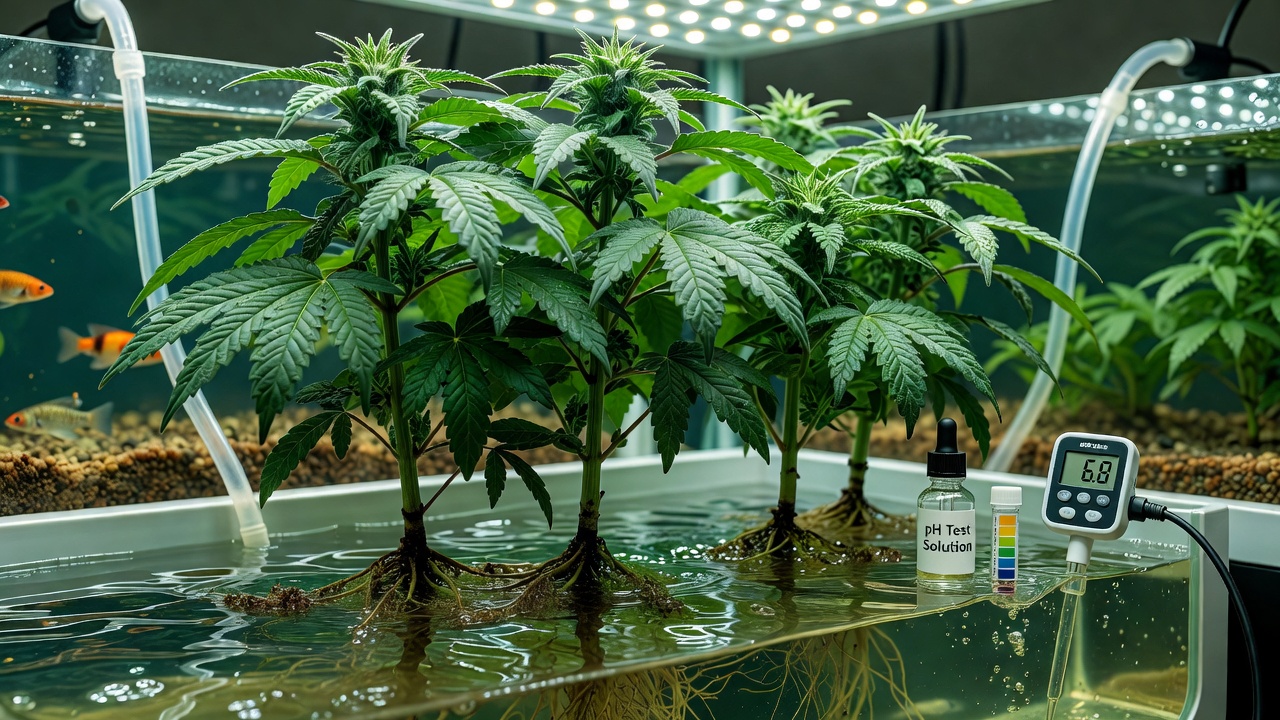
Proper plumbing prevents leaks and allows easy water circulation from fish tank to plant beds and back. Test the system for a few weeks before introducing cannabis seeds to establish bacterial colonies. A practical example involves using a 500-gallon-per-hour pump with a timer set for 15-minute on/off cycles, ensuring roots receive oxygenation while water moves steadily through the beds without flooding.
Choosing Components and Layouts
Select food-grade IBC totes or fiberglass tanks to avoid chemical leaching. Clay pebbles or lava rock provide excellent drainage and bacterial habitat; rinse them thoroughly before use. Vertical towers suit compact spaces, while flood-and-drain beds offer simpler maintenance for first-time operators. Aim for a fish-to-plant ratio of roughly one pound of fish per square foot of grow bed to balance waste production with nutrient demand.
Starting Cannabis Seeds in Aquaponic Environments
Germinate high-quality cannabis seeds using rockwool cubes or directly in the grow media once the system is cycled. Maintain water temperatures around 70°F to encourage sprouting within 3-7 days. Seedlings benefit from the gentle nutrient flow, developing strong stems and leaves quickly. Choose strains known for resilience in hydroponic-like conditions to optimize success rates.
Transition seedlings to the main grow beds after the first true leaves appear. Monitor for any signs of nutrient burn, though fish waste typically provides balanced levels. This stage sets the foundation for healthy plants that can reach impressive heights in aquaponics setups. For instance, placing three seeds of a strain like Blue Dream in rockwool cubes floating on a raft system often yields 80 percent germination when pH holds steady at 6.5.
Early Seedling Care Practices
Keep humidity around 60-70 percent and provide gentle airflow to strengthen stems. Avoid over-wetting young roots; a thin film of water in the media suffices. Once roots emerge from cubes, transplant directly into clay pebble beds so they access the constant nutrient stream without transplant shock.
Managing pH and Nutrient Balance
pH management is critical in aquaponics, with an ideal range of 6.0-7.0 for cannabis uptake and fish health. Use pH testing kits regularly and adjust with natural buffers like potassium bicarbonate if levels drift. Fish waste supplies nitrogen, phosphorus, and potassium naturally, but supplement with trace elements such as iron if deficiencies appear in leaf color.
Regular water testing ensures ammonia stays below 0.5 ppm and nitrates between 20-50 ppm for optimal growth. Over time, the system self-regulates, but initial cycling with ammonia sources accelerates bacterial establishment. This balanced approach supports explosive growth phases while keeping the ecosystem stable. A concrete schedule includes testing every other day during the first month, adding chelated iron at 2 ppm if interveinal yellowing appears on lower leaves.
Handling Common Imbalances
When ammonia creeps above 1 ppm, reduce feeding or add more plants temporarily. Low nitrates may require increasing fish stocking density or dosing small amounts of organic fish food to boost waste. Always adjust pH in tiny increments of 0.2 units per day to avoid stressing fish or bacteria.
Monitoring Plant Health and Fish Welfare
Daily checks on leaf color, root health, and fish behavior help catch issues early. Yellowing leaves may indicate pH imbalances or insufficient light, while lethargic fish signal oxygen or ammonia problems. Integrated monitoring tools, including apps for 2026 growers, track parameters like dissolved oxygen and temperature in real time.
- Inspect roots weekly for rot or algae buildup.
- Observe fish for signs of disease and maintain stocking densities at 1 inch of fish per gallon.
- Prune cannabis plants to improve airflow and light penetration.
- Record growth metrics to refine future cycles.
Healthy fish like tilapia or goldfish provide consistent waste, supporting lush cannabis foliage and dense buds later on. In one documented home setup, daily visual checks combined with weekly root rinsing prevented a potential algae outbreak and kept plants thriving through week eight of flower.
Integrated Pest and Disease Strategies
Use beneficial insects such as ladybugs for aphids and maintain water clarity to discourage fungal issues. If fish show clamped fins, perform a 10 percent water change and check aeration immediately. Logging data in a simple spreadsheet helps identify patterns, such as slower growth correlating with temperature drops below 68°F.
Optimizing Yields in Closed-Loop Systems
To maximize yields, transition plants to a 12/12 light cycle for flowering while maintaining nutrient flow. Pruning techniques and training methods like low-stress training encourage bushier growth and higher bud sites. In aquaponics, expect 20-30% faster growth compared to soil due to direct nutrient access.
Harvest timing based on trichome development ensures peak potency. Post-harvest, the system can be reset for the next seed run with minimal downtime. Sustainable practices like these appeal to enthusiasts seeking self-sufficiency in 2026. Growers often report 400-500 grams per square meter indoors by topping plants at week three of vegetative growth and using SCROG nets to spread canopy evenly over the beds.
Advanced Training and Harvest Techniques
Apply low-stress training by gently bending main stems at 45-degree angles and securing them with soft ties. During flowering, reduce nitrogen-rich waste input by feeding fish less frequently while monitoring nitrate levels to stay within 30-40 ppm. Dry and cure buds in controlled environments at 60°F and 50 percent humidity to preserve terpenes developed from the organic nutrient profile.
Conclusion
Aquaponics represents an advanced, eco-friendly frontier for cannabis cultivation from seed. By mastering pH, monitoring, and system balance, home growers achieve impressive results with reduced environmental impact. As techniques evolve, these closed-loop methods will continue empowering sustainable cannabis enthusiasts worldwide.