
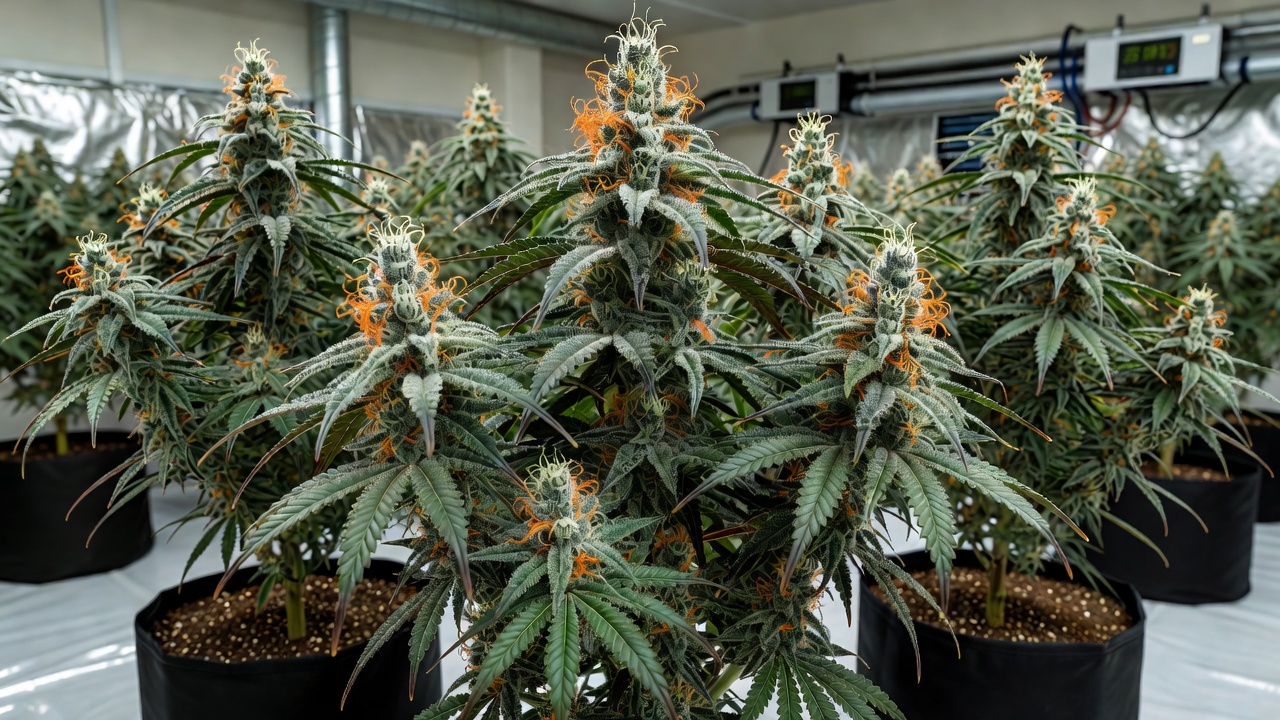
OG Kush remains one of the most sought-after cannabis strains worldwide, prized for its potent effects and distinctive terpene profile. In 2026, home growers and enthusiasts face an expanding market of seed banks, making it essential to identify stable phenotypes that deliver reliable results. Selecting the right genetics starts with understanding lineage and breeding practices that ensure consistency in growth, yield, and aroma. For home cultivators, this means moving beyond flashy packaging and instead focusing on verifiable data that directly translates into healthier plants and more predictable harvests. Practical examples include tracking how a particular seed lot performs across different indoor setups, such as comparing LED versus full-spectrum lighting outcomes on the same genetic stock.
Tracing the Authentic OG Kush Lineage
OG Kush traces its roots to a cross between Chemdawg and a Pakistani Kush, with possible influences from Lemon Thai or other landrace strains. Reputable breeders document this heritage through detailed records spanning multiple generations. When evaluating seed banks, examine their published breeding history to confirm the strain’s origins rather than relying on marketing claims alone. Growers can request pedigree charts that list specific parent plants, including the exact Chemdawg cut used and the Pakistani Kush accession number. In practice, a grower ordering from a transparent bank might receive documentation showing three generations of backcrossing to lock in the fuel-heavy aroma while retaining the Kush structure. This level of detail helps distinguish authentic lines from diluted versions that have lost the signature lemon-fuel balance over time.
Growers seeking authenticity should prioritize banks that provide batch-specific information, including parent plant selection criteria and stabilization methods. This transparency helps avoid diluted or mislabeled versions that have proliferated in recent years. Cross-referencing with independent databases strengthens confidence in the genetic claims. For example, a cultivator might compare a bank’s reported flowering time of 8–9 weeks against multiple grow journals from the same seed batch to confirm uniformity before committing to a full tent run. Such verification reduces the risk of discovering halfway through flowering that some plants finish two weeks earlier than others, complicating harvest schedules.
Evaluating Reputable Seed Banks for Quality
Not all seed providers maintain the same standards of genetic preservation. Look for banks with established reputations, third-party testing, and clear policies on phenotype stability. In 2026, top operations emphasize controlled breeding environments and regular genetic audits to minimize drift. Concrete guidance includes checking whether the bank maintains climate-controlled mother rooms and uses tissue culture to eliminate pathogens before releasing seeds. A practical example is reviewing a provider’s annual audit report that lists average cannabinoid variance across tested batches; variance below 3 percent indicates reliable selection work.
Key indicators include membership in industry associations, customer reviews focused on consistency, and availability of regular versus feminized seeds with documented outcomes. Avoid banks that offer unusually low prices without supporting data, as these often cut corners on selection processes. Home growers can start with a small test pack of ten seeds from two different banks, documenting germination rates and early vigor side by side. This side-by-side trial quickly reveals which supplier delivers more uniform seedlings, saving time and resources on larger purchases later.
Verifying Lineage and Breeding History
Lineage verification involves more than a name on a packet. Request or review certificates of analysis, grow reports from previous buyers, and any available genomic data. Breeding history reveals how many generations a strain has been stabilized, directly impacting uniformity in terpene expression and flowering times.
- Check for multi-generational backcrossing records that show repeated selection for the classic OG Kush leaf morphology and resin density.
- Confirm use of elite clones rather than seed-only propagation, which helps maintain the original chemotype without unwanted variation.
- Review any outcrosses that might alter classic OG Kush traits, such as increased stretch or changes in myrcene dominance.
These steps protect against genetic instability that can lead to variable yields or inconsistent flavors across a crop. In a real-world scenario, a grower noticing slight differences in stem thickness among seedlings can reference the bank’s backcross log to determine whether the variation falls within expected limits or signals a stability issue.
Factors Influencing Consistent Yields and Terpenes
Stable phenotypes produce predictable harvests with high resin content and the signature fuel-lemon aroma of true OG Kush. Environmental factors interact with genetics, so selecting seeds bred for resilience to common stressors improves outcomes. Terpene profiles remain consistent only when breeders select for specific chemotypes over successive generations. Growers benefit from maintaining consistent VPD levels between 0.8 and 1.2 kPa during vegetative growth and slightly lower during flowering to preserve volatile terpenes.
Pay attention to reported THC and terpene percentages from independent labs. Phenotypes that maintain 20%+ THC alongside myrcene and limonene dominance deliver the classic experience enthusiasts expect. Leafly maintains extensive strain data that can supplement bank information. A practical tip is logging weekly terpene intensity scores by gently rubbing a leaf and noting the aroma strength; this simple sensory test often correlates with lab results and helps identify standout plants early.
Advanced Phenotype Selection Techniques
Once seeds arrive, advanced growers employ rigorous selection protocols. Start by germinating a larger batch than needed, then monitor seedlings for vigor, leaf structure, and early aroma development. Mark promising individuals for cloning and further testing under identical conditions. During the first three weeks, note internode spacing and root development speed; plants showing rapid, even growth are more likely to finish as keepers.
During flowering, evaluate bud density, trichome production, and resistance to mold or pests. Keep detailed notes across multiple runs to identify truly stable performers.

This methodical approach separates elite keepers from average plants. Consider tissue culture or advanced cloning methods in 2026 to preserve top selections indefinitely. Many experienced cultivators now combine traditional observation with basic genetic testing kits for added certainty. For instance, running a small PCR test on leaf tissue can confirm the absence of common mutations that affect cannabinoid ratios before investing months into a mother plant.
Avoiding Common Genetic Pitfalls
Common mistakes include purchasing from unverified sources or ignoring phenotype variation within packs. Some banks release unstable hybrids labeled as OG Kush, leading to disappointing results. Always start with small test grows before committing to large-scale cultivation. A useful practice is labeling every plant with its seed lot number and running at least two identical environments to isolate genetic performance from environmental variables.
Cross-reference multiple sources and join grower communities for real-world feedback on specific seed lots. This diligence ensures access to authentic genetics that perform as expected year after year. Documenting yields in grams per watt across different phenotypes provides hard numbers that guide future purchases and help eliminate underperforming lines quickly.
Conclusion
Mastering OG Kush selection in 2026 requires focus on verified lineage, reputable banks, and systematic phenotype evaluation. By prioritizing breeding history and consistency metrics, growers secure reliable yields and the distinctive terpene profiles that define this legendary strain. Continued attention to these factors supports successful home cultivation and preserves the genetic integrity of OG Kush for future seasons. Implementing the outlined verification steps and selection techniques turns the challenge of an expanding seed market into an opportunity for consistent, high-quality results.