
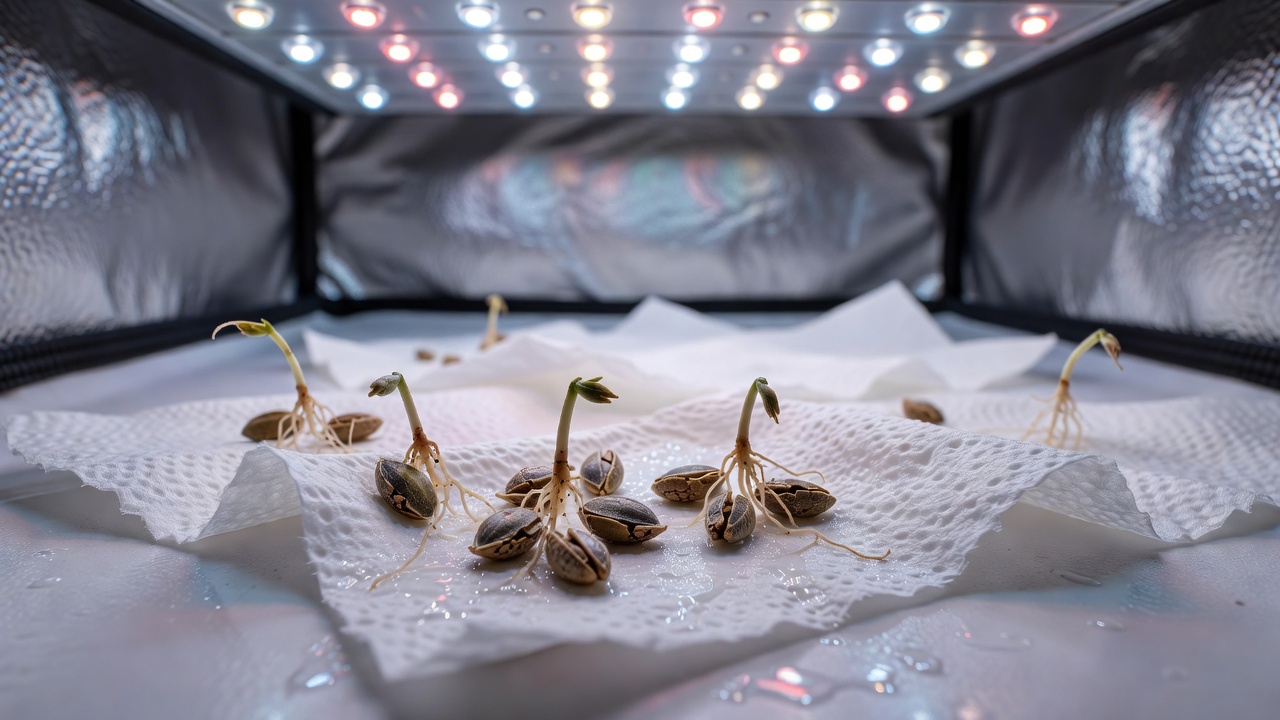
Introduction to Germinating Cannabis Seeds for Hydroponics
Germinating cannabis seeds successfully is the foundation of any productive indoor hydroponic grow. In 2026, home growers using grow tents and advanced LED lighting systems can achieve germination rates above 90% by following precise, tailored techniques. This guide focuses on methods optimized for hydroponic setups, where seeds transition directly into inert media like rockwool or clay pebbles without soil. Proper germination ensures vigorous seedlings that thrive under controlled environments, leading to faster vegetative growth and higher yields.
Beginners and intermediate cultivators benefit from understanding how temperature, humidity, and light interact in enclosed tents. Unlike soil grows, hydroponics demands sterile conditions to prevent pathogens. With modern grow lights providing full-spectrum output from day one, seedlings receive the exact photons needed for robust root development. This article covers seed selection, preparation, detailed steps, and troubleshooting to help you avoid common failures. For example, maintaining a stable 75°F environment in a 4×4 tent can reduce germination time by two days compared to fluctuating room temperatures.
Selecting High-Quality Seeds for Indoor Hydroponic Setups
Choosing the right seeds dramatically impacts success in hydroponic environments. Opt for feminized or autoflowering varieties bred specifically for indoor cultivation, as these perform well under artificial lighting in confined grow tents. Look for strains with short flowering times and resistance to mold, since humidity levels in tents can fluctuate. Reputable seed banks provide detailed genetic information, including expected germination viability and growth patterns suited to hydro systems. Practical examples include selecting Northern Lights or Blue Dream feminized seeds that show 95%+ viability rates when sourced fresh.
Inspect seeds visually before purchase: mature seeds are dark brown or tiger-striped with a hard shell. Avoid pale or cracked seeds, which indicate poor viability. In 2026, many suppliers offer indoor-optimized genetics tested for LED compatibility. Consider purchasing from sources that guarantee freshness, and store seeds in a cool, dark place until use. This selection process sets the stage for seamless integration into your hydroponic workflow. Growers often test small batches of five seeds first to confirm viability before committing to larger orders.
Preparing Your Grow Tent and Hydroponic Equipment
Before germination begins, prepare the grow tent environment meticulously. Set up a 2×2 or 4×4 tent with reflective walls to maximize light efficiency from your LED fixtures. Install a hygrometer and thermometer to maintain 70-80°F temperatures and 70-80% relative humidity during the germination phase. Ventilation fans should run at low speeds to provide gentle airflow without drying out seeds. A concrete tip is to place a small oscillating fan on its lowest setting 18 inches from the germination area to mimic natural air movement.
Hydroponic components include rockwool cubes, starter plugs, or net pots filled with clay pebbles. Sterilize all media with pH-balanced water (5.5-6.0) to eliminate contaminants. Position LED lights 24-36 inches above the germination area, starting at low intensity. Have pH meters, EC pens, and distilled water ready. This preparation minimizes stress once seeds are introduced to the system. One grower example involves pre-soaking ten rockwool cubes overnight in 1 gallon of pH-adjusted water to ensure uniform moisture before seed placement.
Step-by-Step Germination Process for Hydroponics
Follow this proven method for reliable results. First, soak seeds in distilled water for 12-24 hours at room temperature until they sink. Next, place them between moist paper towels inside a sealed container or directly into pre-soaked rockwool cubes. Maintain darkness and consistent moisture for 2-5 days until taproots emerge. Clearer guidance includes checking seeds every 12 hours and misting paper towels lightly if they begin to dry.
Once roots appear, transfer immediately to your hydroponic medium within the grow tent. Plant taproot-down at a shallow depth and mist lightly. Turn on LED lights at 20-30% intensity for the first 48 hours, gradually increasing. Monitor daily for moisture levels and adjust tent humidity as needed. This process typically yields sprouts within 3-7 days total. For practical application, label each cube with the strain name and soak date to track progress across multiple varieties.
Key steps in detail:
- Seed selection and soaking: Choose five to ten seeds and soak in a small glass of distilled water, changing water after 12 hours if needed.
- Media preparation and sterilization: Rinse rockwool or clay pebbles thoroughly with pH 5.8 water to remove dust and achieve proper moisture retention.
- Placement in tent under controlled conditions: Position seeds or cubes 30 inches under LEDs with humidity dome in place for the first 72 hours.
- Light introduction and environmental tweaks: Raise intensity by 10% daily while keeping temperatures between 72-78°F to encourage even sprouting.
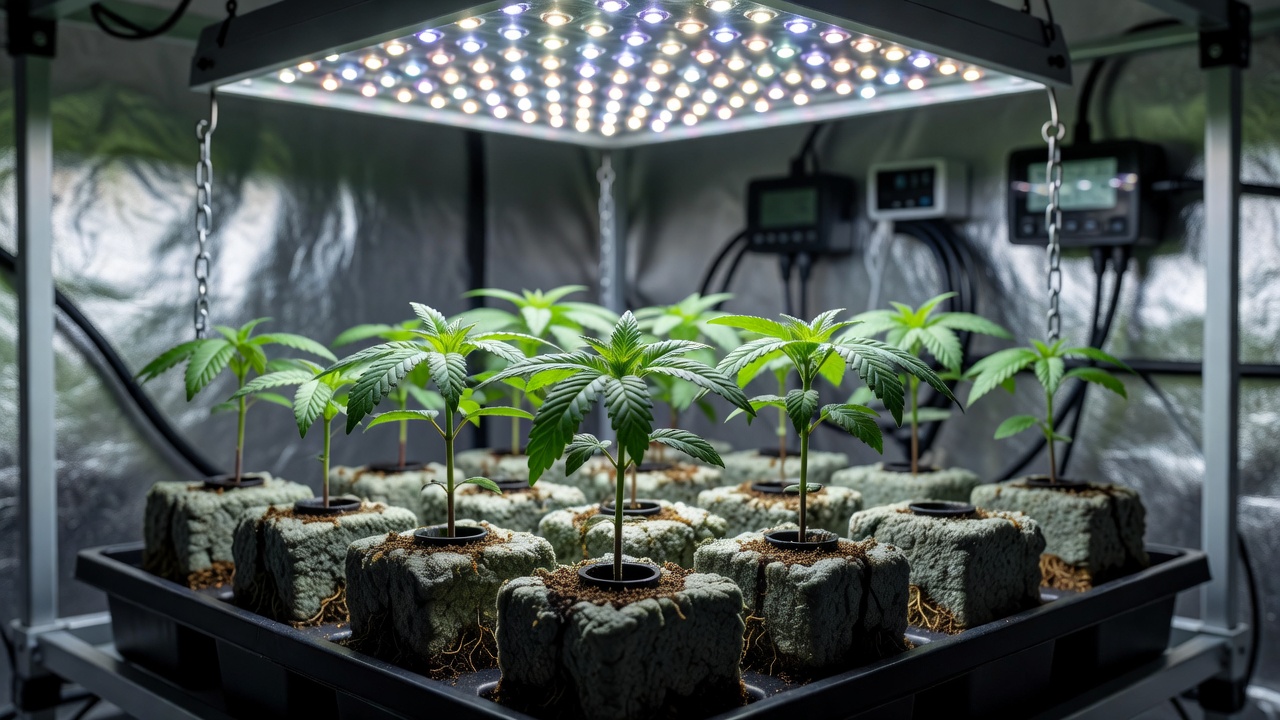
Transitioning Seedlings into Full Hydroponic Systems
After germination, acclimate seedlings to your main hydroponic reservoir or drip system. Start with low nutrient concentrations (EC 0.4-0.6) and pH 5.8-6.2. Increase light intensity over the first week while monitoring leaf development. In grow tents, space plants adequately to prevent overcrowding under LEDs. A real-world example is transplanting week-old seedlings into a 5-gallon DWC bucket system and running lights at 40% power initially to avoid shock.
Watch for signs of healthy transition: upright stems and vibrant green cotyledons. Adjust tent ventilation to maintain 60-70% humidity as roots strengthen. This phase bridges germination to vegetative growth, ensuring plants adapt quickly to recirculating water systems. Track daily EC and pH readings in a simple notebook to spot trends early and make small corrections before issues arise.
Common Pitfalls and How to Avoid Them
Many growers fail due to overwatering rockwool, leading to damping-off. Always allow slight drying between mistings. Poor temperature control in tents causes slow or failed germination—use seedling heat mats if ambient conditions drop below 70°F. Inadequate light distance burns tender sprouts; follow manufacturer guidelines for LEDs. Concrete advice includes placing a digital thermometer probe directly in the media to verify actual temperatures rather than relying on ambient readings.
Another issue is using tap water with high chlorine; always opt for filtered or pH-adjusted solutions. Contaminated media introduces fungi, so prioritize sterility. By tracking variables daily and starting with proven strains, you can sidestep these problems for consistent high success rates. One documented case showed a 40% improvement in germination after switching to distilled water and adding a small dehumidifier during humid summer months.
Conclusion
Mastering hydroponic cannabis germination in grow tents with LED lights empowers home growers to achieve reliable, high-yield results. By focusing on quality seed selection, precise environmental controls, and careful transitions, beginners and intermediates alike can build thriving indoor gardens in 2026. Apply these techniques consistently, and your hydroponic setups will deliver exceptional outcomes from the very first sprout. Regular practice with small test batches refines personal methods and builds confidence for larger-scale operations.