
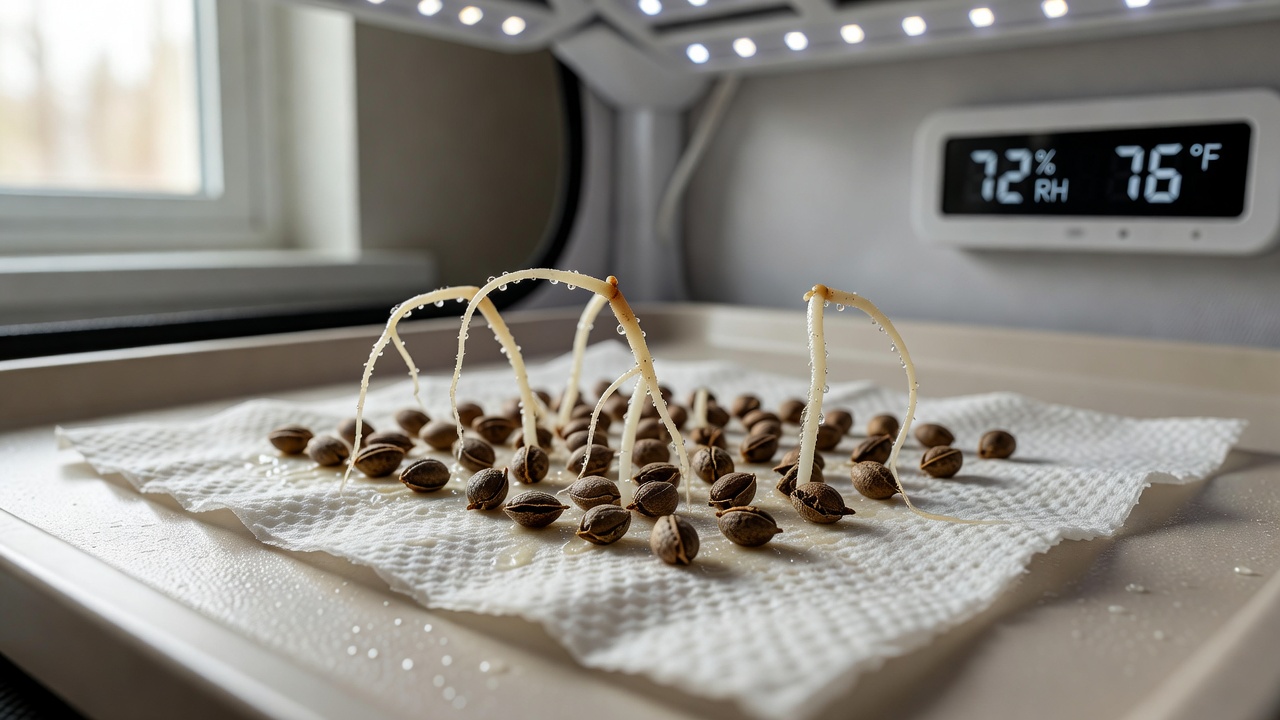
Germinating feminized seeds successfully is the foundation of any productive photoperiod cannabis grow. In 2026, home cultivators continue to refine these early-stage methods to maximize female plant viability while minimizing common setbacks like low germination rates or weak seedlings. This guide walks through the most reliable approaches tailored specifically for feminized genetics, helping enthusiasts produce robust plants ready for the full photoperiod cycle. Growers report that investing extra care in the first 10 days often translates to 20-30 percent higher yields at harvest, as healthy roots established early support larger colas later on.
Why Feminized Seeds Excel for Photoperiod Cultivation
Feminized seeds eliminate the risk of male plants, allowing growers to focus resources on high-yielding females. Photoperiod strains respond to light cycle changes, making early health critical for later flowering success. Choosing quality feminized stock from reputable sources ensures genetic stability and higher success rates compared to regular seeds. For example, a home grower selecting seeds from a verified breeder typically sees 95 percent female expression, whereas random regular seeds might yield only 50 percent females that require culling.
Understanding seed anatomy helps. Each viable seed contains an embryo primed for female development when properly activated. Poor handling during this phase can lead to stunted growth that affects the entire season. Concrete guidance includes storing unopened seed packs in a cool, dark drawer at 40-50°F until use, then inspecting each seed under bright light for a dark, tiger-striped shell that indicates maturity rather than a pale or cracked exterior that signals lower viability.
Optimal Timing for 2026 Germination Starts
Align germination with your local climate and indoor setup. For most indoor photoperiod grows, starting in late winter or early spring provides ample time for vegetative growth before switching to flower. In 2026, many enthusiasts monitor extended weather patterns to time outdoor transitions safely. A practical example is a grower in USDA zone 7 who begins indoor germination on February 15 so plants reach 18 inches tall by the last frost date in mid-May, allowing seamless movement to outdoor beds.
Begin the process 7-10 days before planting to account for variable germination speeds. Avoid rushing during extreme temperatures, as feminized seeds are sensitive to stress that could impact sex expression later. Indoor growers using heat mats set to 75°F often achieve taproot emergence in 36-48 hours, while those in cooler rooms may wait five days; keeping a simple log of daily temperatures helps refine timing year after year.
Proven Germination Techniques for Feminized Seeds
Several methods deliver consistent results. The paper towel technique remains popular: place seeds between moist paper towels in a dark, warm spot around 70-80°F. Check daily and transplant once taproots reach 0.5 inches. A concrete step-by-step involves folding a paper towel into quarters, moistening it with distilled water until damp but not dripping, placing up to six seeds spaced apart, covering with another moist towel, and sealing inside a zip bag before positioning near a gentle heat source such as the top of a refrigerator.
Direct soil germination suits beginners. Use a light, aerated medium in small pots kept at consistent moisture without waterlogging. Water-only methods involve soaking seeds in a glass of room-temperature water for 24-48 hours until they sink and crack. Always handle seeds gently with tweezers to protect the delicate shell.
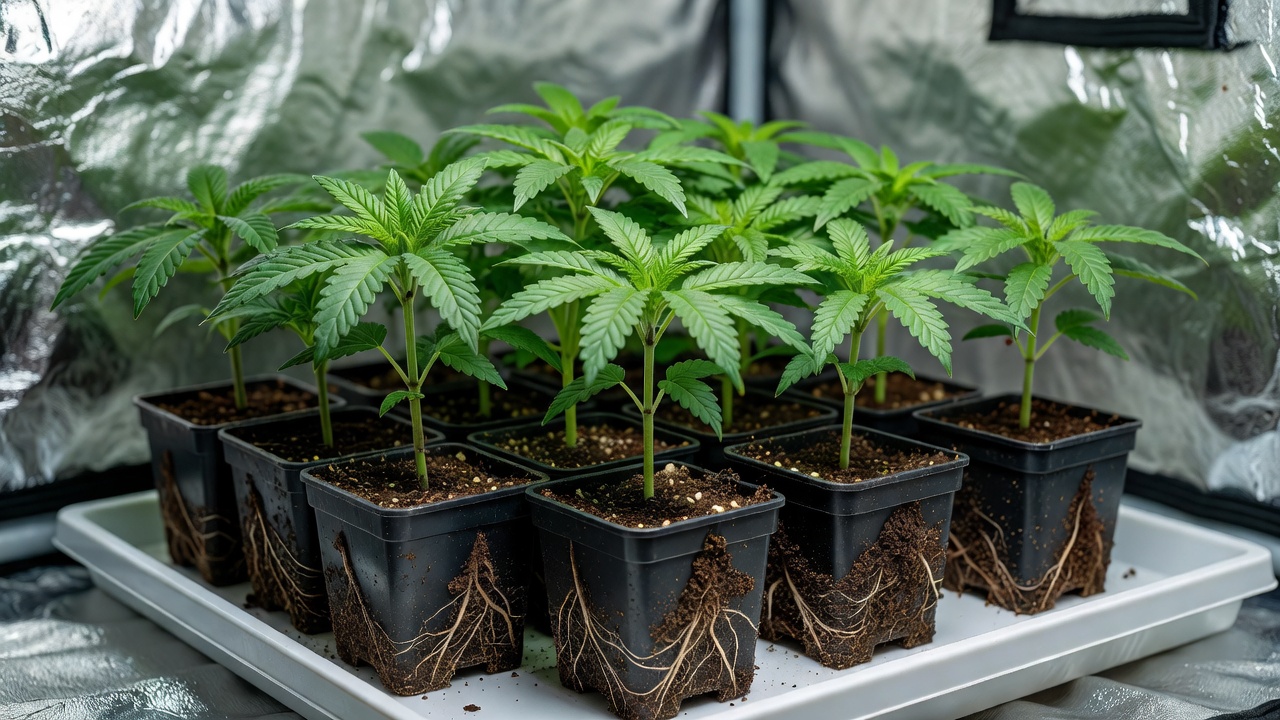
Sterilize tools and surfaces beforehand to prevent mold introduction. One experienced cultivator recommends pre-soaking older seeds for 36 hours in water with a drop of hydrogen peroxide per cup to boost oxygen levels and raise success from 60 percent to over 85 percent.
Paper Towel Method in Detail
- Prepare two paper towels and a shallow dish.
- Moisten towels with pH-balanced water at 6.5.
- Place seeds between layers and enclose in darkness.
- Inspect every 12 hours without disturbing the seeds.
- Transplant at the 0.5-inch taproot stage using sterilized tweezers.
Environmental Factors That Boost Viability
Temperature between 68-77°F and humidity at 70-90% create ideal conditions. Use a propagation dome or sealed container to maintain moisture while allowing slight air exchange. Indirect light or complete darkness during the first 48 hours prevents premature stress. A practical example is placing the container on a seedling heat mat with a thermostat probe inserted into the medium so the root zone stays at 72°F even if room temperature drops at night.
- Monitor pH of water at 6.0-7.0 for optimal enzyme activity.
- Avoid direct sunlight or strong LEDs until seedlings emerge.
- Rotate containers daily for even growth if using artificial heat sources.
These factors directly influence root development and early vigor in photoperiod plants. Growers who maintain a digital hygrometer inside the dome often adjust vents twice daily to keep humidity near 80 percent, preventing both drying out and condensation that leads to rot.
Troubleshooting Early-Stage Issues in Feminized Grows
Low germination often stems from old seeds, improper moisture, or temperature swings. Soak older stock longer or use a mild hydrogen peroxide solution to improve oxygen availability. Mold appears from excess water—reduce humidity and improve airflow immediately. In one documented case, a batch stored for two years achieved 78 percent germination after a 48-hour soak in 3 percent hydrogen peroxide diluted 1:4 with water.
Weak or yellowing seedlings indicate nutrient burn or light issues. Start with plain water and introduce mild feeds only after true leaves form. Damping-off disease is prevented through sterile media and proper ventilation. For persistent problems, test a small batch first to refine your technique before committing larger quantities. Keeping a notebook with dates, temperatures, and outcomes allows growers to spot patterns such as consistent failure above 82°F.
Transitioning Seedlings to Vegetative Growth
Once seedlings develop 3-4 sets of leaves, gradually introduce full-spectrum lighting and begin light feeding. Maintain 18/6 light cycles for photoperiod feminized plants to encourage strong vegetative structure. Transplant carefully into larger containers to avoid root disturbance. A common practice is moving seedlings under 200-watt LEDs at 24 inches height for the first week, then lowering to 18 inches as they acclimate, while feeding a 2-1-2 NPK solution at 300 ppm once the second set of true leaves appears.
Document your process each season to identify patterns and improve future 2026 and beyond grows. Simple spreadsheets tracking germination percentage, days to first true leaves, and final plant height provide data that compounds knowledge over multiple cycles.
Conclusion
Mastering germination sets the stage for abundant harvests from feminized photoperiod seeds. By focusing on timing, precise environments, and quick troubleshooting, home growers can achieve high success rates year after year. Consistent practice with these methods ensures healthy female plants that thrive through the complete growth cycle. For further reading on cannabis regulations, visit cdc.gov/marijuana and nih.gov.