
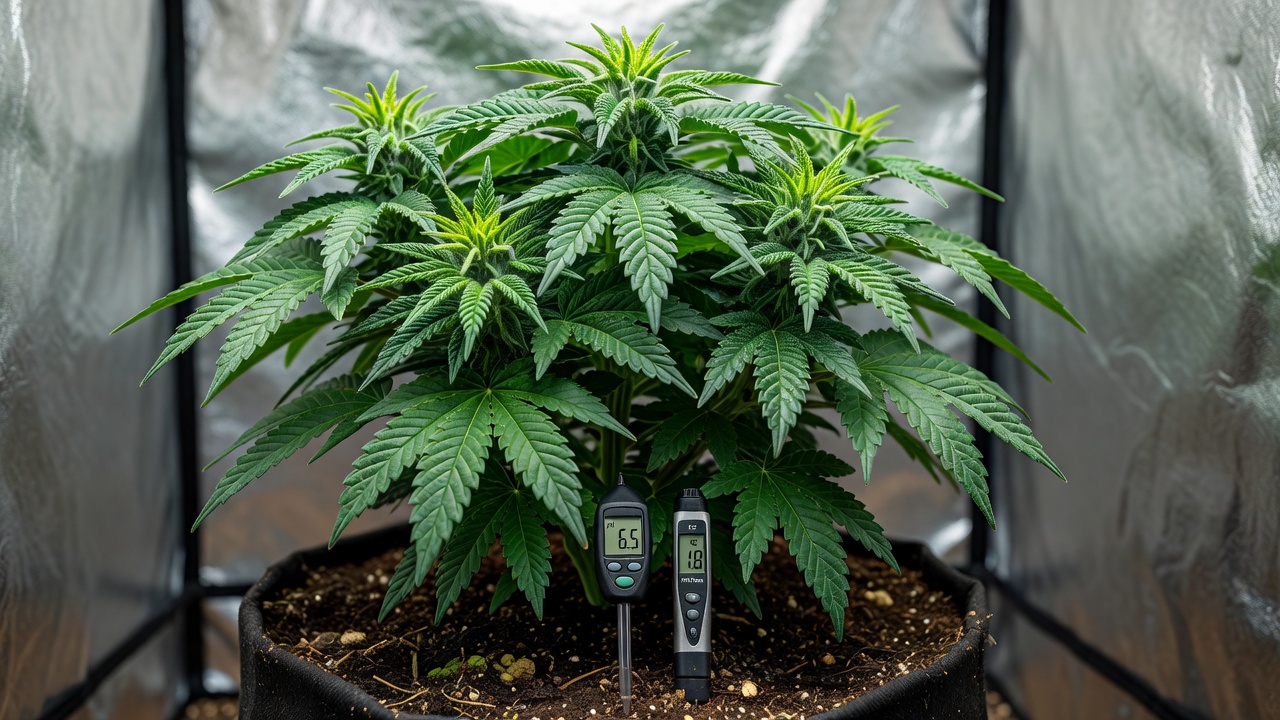
Autoflowering cannabis plants offer home growers a fast and forgiving way to cultivate high-quality buds indoors or outdoors. Unlike photoperiod strains, autoflowers transition from vegetative growth to flowering based on age rather than light cycles, typically completing their life in 8 to 12 weeks. This compressed timeline makes precise monitoring of pH and EC levels essential because any nutrient imbalance can quickly stunt development and reduce yields. For example, a grower who skipped weekly pH checks during week four might notice sudden leaf yellowing that halts bud formation, ultimately cutting final harvest weight by 30 percent. Understanding how to test, interpret, and correct these parameters helps maximize nutrient absorption and supports vigorous plant health from seed to harvest.
Understanding pH and EC in Autoflower Growing
pH measures the acidity or alkalinity of your growing medium and nutrient solution on a scale from 0 to 14, with 7.0 being neutral. Autoflowers thrive in slightly acidic conditions that allow roots to uptake essential macronutrients and micronutrients efficiently. EC, or electrical conductivity, quantifies the concentration of dissolved salts and nutrients in the solution. High EC can lead to nutrient burn while low EC results in deficiencies, both of which are particularly damaging during the rapid growth phases of autoflowers.
Soil, coco coir, and hydroponic systems each respond differently to pH and EC fluctuations. In soil, beneficial microbes help buffer changes, but coco and hydro demand tighter control because they offer less natural buffering capacity. Regular testing prevents the common issue of locked-out nutrients where roots cannot absorb what is available due to incorrect pH. Consider a practical case: a soil grower using peat-based mix may see pH rise naturally after three weeks as organic matter decomposes, requiring a gentle downward adjustment to keep iron available.
Essential Testing Tools for Accurate Measurements
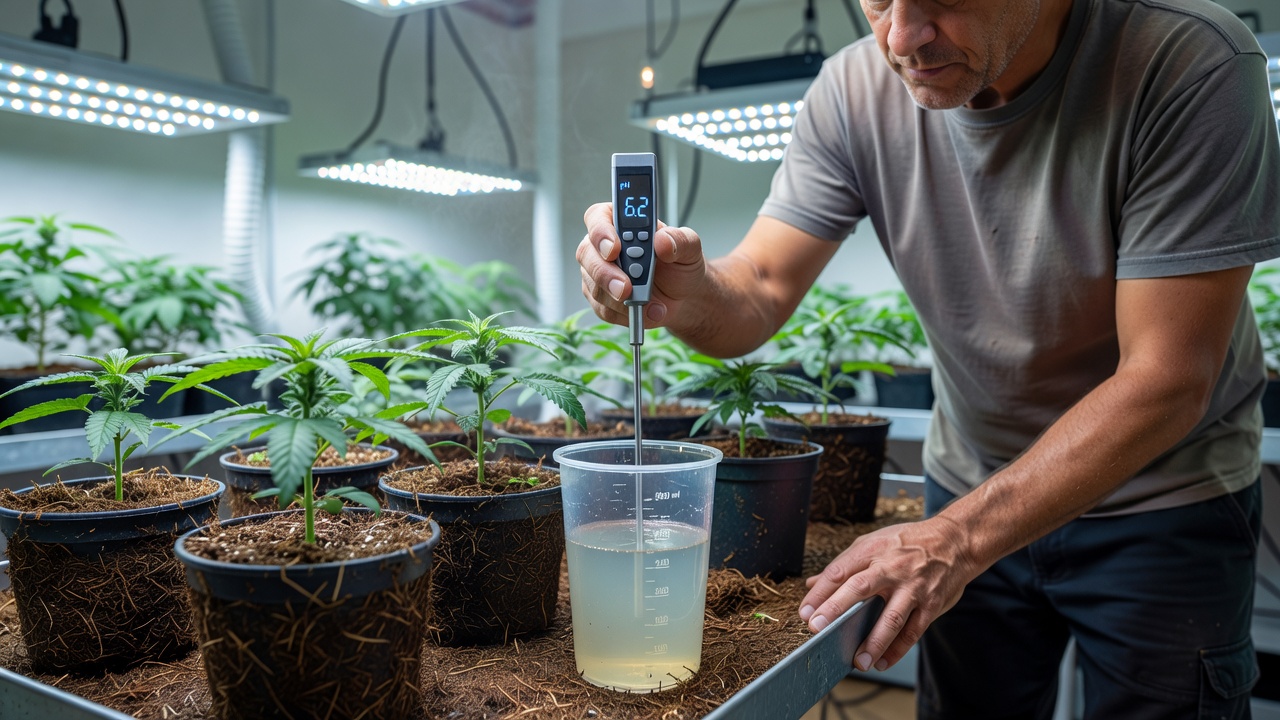
Reliable tools form the foundation of any successful monitoring routine. Digital pH meters provide instant readings and are more precise than paper strips for ongoing use. Pair these with a quality EC or TDS meter to track nutrient strength. Calibration solutions are critical; calibrate meters weekly to maintain accuracy, especially in humid grow environments where readings can drift. A typical routine involves rinsing the probe, immersing it in pH 7.0 and 4.0 buffers for 30 seconds each, and noting any offset before adjusting the meter’s settings.
Additional tools include a reliable thermometer for solution temperature because readings vary with heat, and a syringe or dropper for precise pH adjustment additions. Many growers also keep a journal or app to log daily measurements alongside observations of leaf color and growth rate. Record entries such as “Day 21: pH 6.3, EC 1.5, leaves vibrant green, stretch rate 2 cm per day” to spot trends early.
Common pH and EC Imbalances in Autoflowers
One frequent problem is pH drift caused by organic matter breakdown in soil or salt buildup in coco. When pH rises above 7.0, iron, manganese, and phosphorus become unavailable, leading to yellowing leaves and slowed growth. Conversely, overly acidic conditions below 5.5 can cause calcium and magnesium lockout, resulting in spotting and weak stems. A concrete example is new growers using unbuffered coco who see interveinal chlorosis by week five; flushing with pH-adjusted water at 6.0 restores uptake within days.
EC imbalances often appear as tip burn from excessive nutrients or pale, slow-growing plants from underfeeding. Autoflowers are sensitive to high EC during their first three weeks, so starting with lower concentrations prevents stress that can permanently limit final bud size. Hard water sources containing high mineral content can also elevate baseline EC and require dilution before use. Testing tap water at 0.6 mS/cm before adding nutrients, then targeting a final EC of 1.0, avoids the common mistake of overfeeding seedlings.
Target pH and EC Levels Throughout the Grow Cycle
During the seedling and early vegetative stage, maintain pH between 6.0 and 6.5 in soil or 5.5 and 6.0 in coco and hydro. EC should stay low at 0.8 to 1.2 mS/cm to avoid overwhelming young roots. As plants enter mid-vegetative growth, raise EC gradually to 1.4 to 1.8 while keeping pH stable.
Flowering Phase Targets
In the flowering phase, target pH of 6.2 to 6.8 in soil and 5.8 to 6.2 in soilless media. EC peaks around 1.6 to 2.0 before tapering in the final two weeks to flush residual salts. These ranges optimize uptake of nitrogen early and phosphorus and potassium later, supporting dense bud formation. A practical schedule might include checking pH and EC every other day during weeks six through eight, then switching to plain water at EC 0.4 for the final flush.
Corrective Strategies and Adjustments
When pH is too high, add small amounts of phosphoric acid or citric acid to nutrient solutions while stirring thoroughly and retesting after 30 minutes. For low pH, use potassium hydroxide or pH-up solutions in measured doses. Always adjust pH after mixing nutrients because some fertilizers naturally lower pH. A typical correction for a 5-liter reservoir might involve 2 ml of pH-down solution, followed by a second test to confirm the reading has reached 6.2.
To correct high EC, flush the medium with pH-balanced water at 1.0 mS/cm until runoff matches input EC. Low EC is fixed by increasing nutrient concentration incrementally while monitoring plant response over 48 hours. Foliar feeding with diluted solutions provides quick relief for visible deficiencies without risking root zone overload. For instance, a 0.5 mS/cm foliar spray applied at lights-off can green up magnesium-deficient leaves within 24 hours.
Practical Tips for Nutrient Absorption and Plant Health
Water temperature between 18 and 22 degrees Celsius improves oxygen availability and prevents pH swings. Aerate reservoirs with air stones and change nutrient solutions weekly to minimize bacterial growth that alters EC. In soil grows, top-dress with compost or worm castings to naturally stabilize pH over time. Additional habits include checking runoff EC after each watering to detect salt accumulation before symptoms appear.
Observe plants daily for early signs of stress such as clawing leaves or slowed stretching. Combine pH and EC data with these visual cues for informed decisions rather than reacting only to meter readings. Consistent routines built around these practices lead to stronger plants and higher quality harvests. Authoritative guidance on water quality and nutrient management is available from the U.S. Environmental Protection Agency and university extension services such as those provided by University of Minnesota Extension.
Conclusion
Mastering pH and EC monitoring transforms autoflower cultivation from guesswork into a predictable, rewarding process. By investing in quality tools, establishing target ranges for each growth stage, and applying timely corrections, home growers achieve superior nutrient absorption and robust plant health. The rapid cycle of autoflowers rewards attention to these details with potent, abundant harvests that reflect the care invested throughout the grow.