
🎁 Free bonus seeds with every pack 🚚 Discreet tracked shipping worldwide 🌱 Germination guarantee on every order
Triploid Seeds Explained

What Are Triploid Cannabis Seeds?

Most cannabis plants carry two sets of chromosomes — that’s standard diploid genetics. Triploid cannabis plants carry three (3n), and that single biological shift delivers results that are genuinely hard to replicate with conventional breeding. Think bigger harvests, stronger effects, and plants that handle stress like a professional.

Bigger Yields

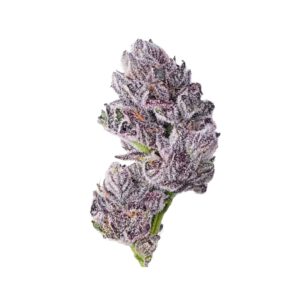
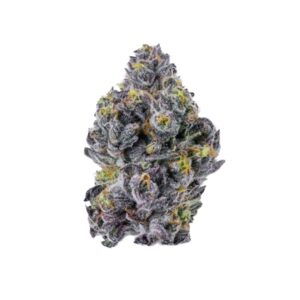
Three chromosome sets drive larger, denser buds and dramatically more trichome coverage. You’re growing more plant — and that shows up directly on the scale at harvest time.

Greater Potency

With zero energy diverted to seed production, triploid plants push everything into THC, CBD, and terpene synthesis. Stronger effects, richer flavour profiles, and more medicinal value per gram.

🛡

Built Tougher

Enhanced cell density and natural vigour give triploid plants a serious edge against heat stress, pests, and mould. Less babysitting, fewer losses, more consistent results run after run.

100% Seedless

Triploid plants are sterile — even if pollinated, no seeds form. Every calyx stays packed with pure, unpollinated flower. Perfect for clean extracts, premium flower, and eliminating crop-spoiling accidents.

The Science

How Are Triploid Seeds Made?

Triploid seeds are produced through a process called polyploidy induction. Breeders treat parent plants with naturally derived compounds — typically colchicine or oryzalin — at a precise point in cell division. These compounds cause chromosomes to triple rather than separate normally. The resulting seeds are then tested and stabilised across multiple generations before they reach your hands.

It’s not a quick shortcut or a lab gimmick. Producing reliable triploid genetics demands specialist equipment, exacting timing, and rigorous quality control. That’s why the results are worth it — and why not every breeder can do it well.

Polyploidy Induction 3x Chromosome Sets Sterile × Seedless Breeder-Stabilised

Who Should Grow Triploid Seeds?

Commercial Growers Maximise output per square metre. Higher weight, stronger flower, zero pollination risk in multi-tent operations.
Medical Growers Consistent, high-cannabinoid harvests with predictable genetics. What you grew last time is what you grow next time.
Hobby Growers You don’t need a commercial operation to benefit. Triploid plants are more forgiving — better stress tolerance means fewer headaches, especially for newer growers.
Extract Producers No seeds, more trichomes, richer cannabinoid profiles. Triploid flower is premium feedstock for rosin, live resin, and full-spectrum extracts.

Common Questions About Triploid Cannabis Seeds

Are triploid seeds harder to grow than regular seeds?
Not at all — if anything, they’re easier. Triploid plants are more stress-tolerant and resilient than standard diploid varieties, which means fewer problems from temperature swings, overfeeding, or environmental pressure. They’re grown exactly like feminized seeds: same lighting, same nutrients, same care.
Can triploid cannabis plants be cloned?
Yes. Triploid plants clone just like any other cannabis plant — cuttings root and grow normally. You won’t be able to breed seeds from them (they’re sterile), but as mother plants for cuttings, they’re excellent. Same genetics, run after run.
Are triploid seeds the same as feminized seeds?
They’re different things — but most commercial triploid seeds are also feminized, so you get both benefits in one. Feminized means female plants only (no males). Triploid means three chromosome sets. Together: all-female plants that produce no seeds, yield more, and grow stronger. It’s the logical next step beyond standard feminized genetics.
Why are triploid seeds more expensive than regular seeds?
The production process is technically demanding and time-intensive. Creating stable, consistent triploid genetics requires specialist equipment, precise timing, and multiple testing rounds before seeds are ready to sell. The price reflects the work behind them — and growers who switch rarely go back to standard seeds.

We use cookies to improve your experience and analyse site traffic. See our Privacy Policy and Cookie Policy for details.