
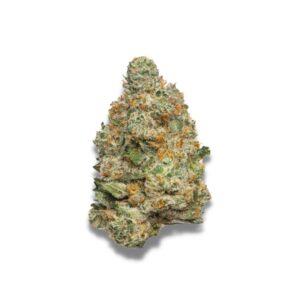
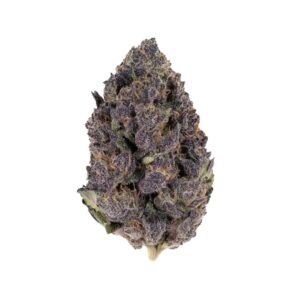
What Are Autoflowering Cannabis Seeds?
Traditional cannabis plants flower in response to light — reduce daylight hours, they switch to bud production. Autoflowering seeds work differently. They flower based on age, not light. After 2–4 weeks from germination, they flower automatically, regardless of how many hours of light they receive. That single difference makes autoflowers one of the most versatile and grower-friendly options in modern cannabis cultivation.
Fast Seed-to-Harvest
Most autoflowers go from seed to harvest in 8–11 weeks. Where a photoperiod strain demands 4–6 months, an auto delivers results in half the time — sometimes less.
No Light Schedule
Run your lights on 18/6 or 20/4 from start to finish. No switching to 12/12, no light-proofing, no scheduling errors. Autoflowers do their own thing on their own clock.
Multiple Harvests per Year
With an 8–11 week cycle, you can run 4–5 harvests per year indoors, or stack 2–3 outdoor cycles in a single growing season. More runs, more yield, more value.
Compact by Nature
Autoflowers typically stay between 60–100cm tall. Ideal for small tents, low-ceiling rooms, balconies, or any space where height is a constraint.
Thrives Outdoors
Plant in spring, harvest by midsummer — well before autumn mould season. In warmer climates, two full outdoor cycles per season is realistic. Autos don’t wait for the autumn equinox to flower.
Built-In Resilience
Inherited from their Cannabis ruderalis ancestry, autoflowers are naturally tougher. They handle temperature swings, lower light levels, and minor feeding mistakes better than most photoperiod strains.
Where Does the Auto Trait Come From?
Autoflowering genetics originate from Cannabis ruderalis, a subspecies native to Central Asia, Eastern Europe, and Siberia. Growing in latitudes where summers are short and conditions are harsh, ruderalis evolved to flower by age rather than light — because waiting for the perfect light cycle in those environments simply wasn’t an option.
Modern breeders crossed ruderalis with high-potency indica and sativa strains, selecting over generations for plants that kept the auto-flowering trait while matching the size, yields, and cannabinoid levels of their photoperiod relatives. Today’s autoflowering strains are a world away from the early, low-potency autos of the 2000s — they’re fast, potent, and genuinely competitive with the best feminized strains on the market.
Autoflower vs Feminized Photoperiod: Which Is Right for You?
- ✓ Flowers automatically by age
- ✓ 8–11 weeks seed to harvest
- ✓ No light schedule management
- ✓ Compact size (60–100cm)
- ✓ Multiple cycles per year
- ✓ Great for beginners & outdoor
- ✕ Cannot be cloned effectively
- ✕ Smaller yields per plant vs large photoperiod
- ✓ Flowers triggered by 12/12 light
- ✓ Higher yield potential per plant
- ✓ Can be kept in veg indefinitely
- ✓ Cloneable mother plants
- ✓ More control over plant size
- ✕ Requires strict light schedule
- ✕ 4–6+ months to harvest
- ✕ Needs light-proof environment
Many growers run both. Autoflowers for frequent, fast harvests — photoperiod strains when you want to maximise a specific genetics’ yield ceiling. Neither is universally better. It depends on your space, schedule, and goals.