
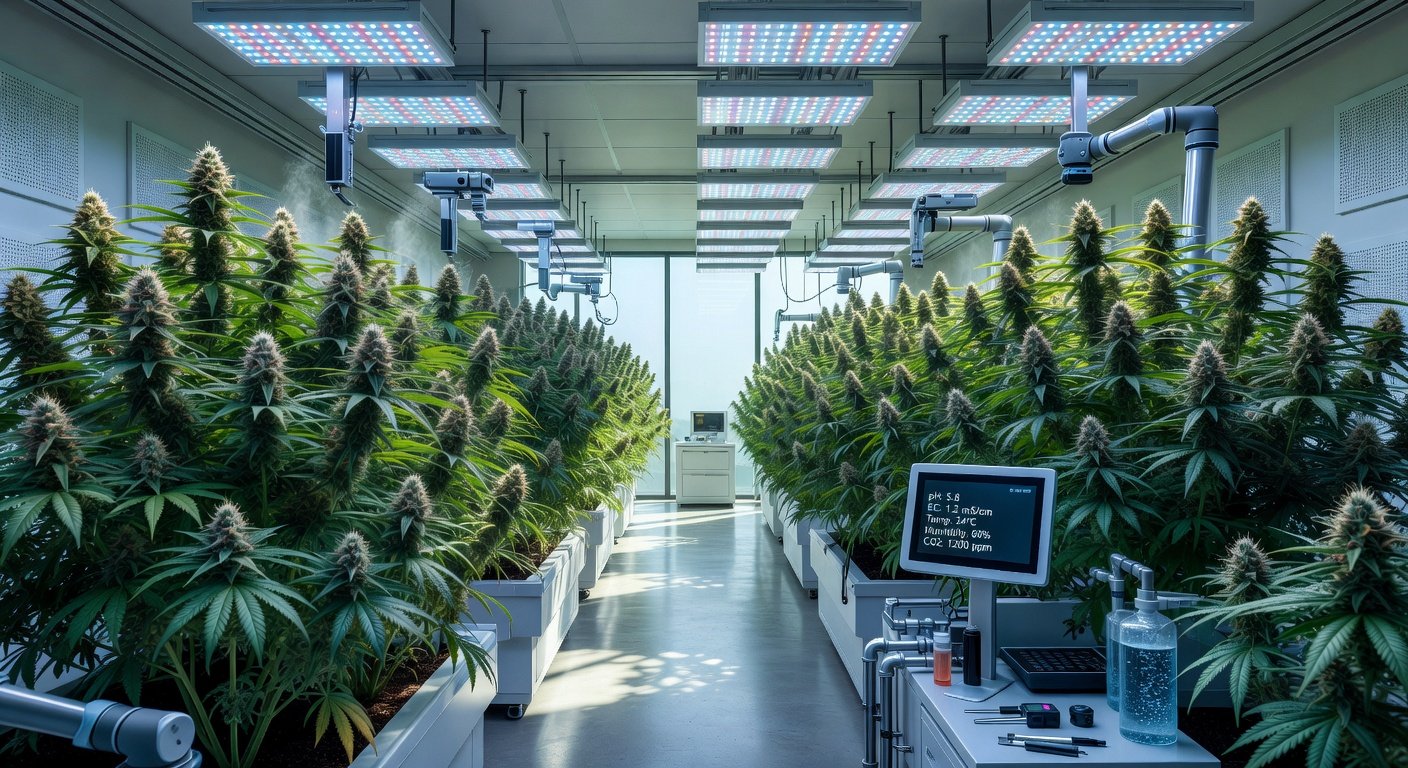
Introduction to Optimizing Cannabis Growth in 2026
In 2026, cannabis cultivation has evolved dramatically, thanks to innovations in automated systems, sustainable practices, and precision agriculture. Whether you’re a novice home grower or a seasoned enthusiast, optimizing your cannabis growth can lead to healthier plants, higher yields, and more potent buds. This guide focuses on the top 10 tips, emphasizing nutrient management, pest control strategies, and how emerging technologies like AI-driven irrigation and LED lighting can enhance sustainability. With legalization expanding globally, home growers now have access to tools that make professional-level results achievable in small spaces.
These tips are tailored for English-speaking audiences in regions where home cultivation is permitted. Always check local laws before starting. By integrating traditional methods with 2026’s tech advancements, you can reduce waste, minimize environmental impact, and enjoy a bountiful harvest.
1. Choose High-Quality Genetics
Start with the foundation: superior seeds or clones. In 2026, seed banks offer strains bred for resilience against climate variability and optimized for indoor/outdoor grows. Look for autoflowering varieties that shorten cycles to 8-10 weeks, ideal for beginners.
Tip: Research strains via reputable sources. For example, the USDA’s National Institute of Food and Agriculture provides insights into plant genetics that apply to cannabis breeding programs. Select genetics matching your setup—Indica for compact spaces, Sativa for taller grows.
2. Master Nutrient Management
Nutrients are the lifeblood of cannabis plants. The key is balance: nitrogen (N) for vegetative growth, phosphorus (P) for flowering, and potassium (K) for overall health. In 2026, smart nutrient dispensers use sensors to monitor pH and EC (electrical conductivity), preventing overfeeding that leads to nutrient burn.
Strategy: Use organic options like compost teas for sustainability. Follow a feeding schedule—high N in veg (e.g., 3-1-2 NPK ratio), then switch to bloom formulas (1-3-2). Test soil or hydroponic solutions weekly. Innovations like automated hydroponic kits from companies like General Hydroponics integrate app-controlled dosing, reducing waste by 30% and boosting yields.
- Vegetative stage: 200-400 ppm nutrients.
- Flowering stage: 600-1000 ppm, with calcium and magnesium supplements to prevent deficiencies.
For home growers, start with pre-mixed nutrients from trusted brands to avoid trial-and-error.
3. Optimize Lighting with LED Innovations
Light is crucial for photosynthesis. Full-spectrum LEDs in 2026 mimic sunlight while using 50% less energy than HPS lamps. Aim for 18-24 hours of light in veg and 12/12 in flower.
Tip: Position lights 18-24 inches above canopy, adjusting for intensity. Smart systems like those from Mars Hydro auto-dim based on plant height, preventing light stress. This not only enhances growth but supports sustainability by lowering electricity bills and carbon footprints.
4. Control Temperature and Humidity
Cannabis thrives at 70-85°F (21-29°C) during the day and 58-70°F (14-21°C) at night, with humidity at 40-60% in veg and 40-50% in flower. 2026’s climate-controlled grow tents with IoT sensors maintain these levels automatically, alerting you via apps to fluctuations.
Strategy: Use exhaust fans and dehumidifiers. For pest prevention, lower humidity reduces mold risk. Novices can invest in affordable kits that integrate with smart home devices like Google Nest.
5. Implement Effective Pest Control
Pests like spider mites, aphids, and fungus gnats can devastate crops. Integrated Pest Management (IPM) is key: prevention over reaction.
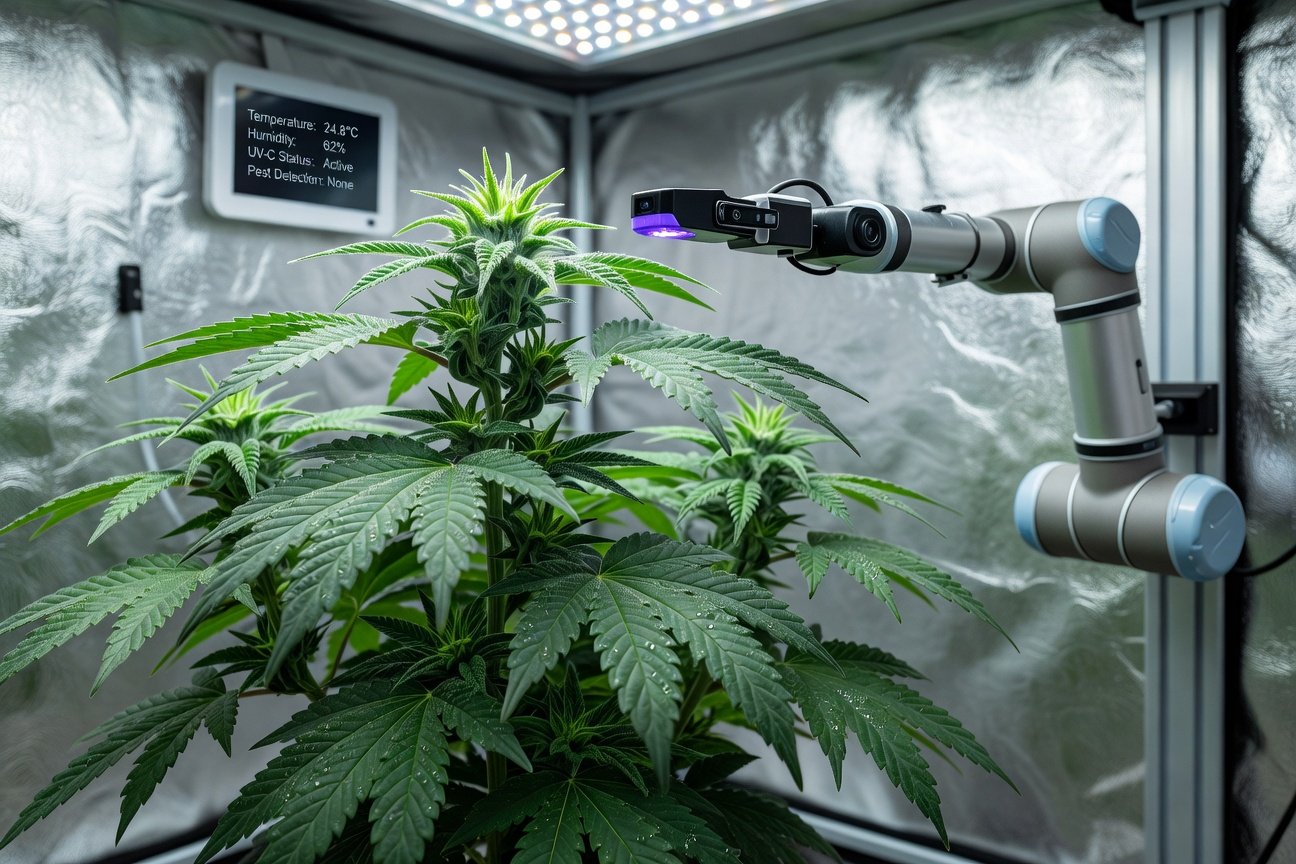
Strategies: Introduce beneficial insects like ladybugs early. Use neem oil sprays weekly as a natural deterrent. In 2026, UV-C light systems in automated enclosures zap pests without chemicals, promoting organic grows. Monitor with magnifying lenses or apps that scan leaves for early detection.
For authoritative guidance, refer to the EPA’s Safe Pest Control resources, adapting them to cannabis. Avoid broad-spectrum pesticides; opt for targeted, eco-friendly options to protect pollinators and soil health.
- Inspect plants daily.
- Quarantine new additions.
- Maintain cleanliness to deter infestations.
6. Enhance Watering with Automation
Overwatering is a common rookie mistake. Cannabis needs consistent moisture but hates soggy roots. Drip irrigation systems in 2026 use soil moisture sensors to water precisely, saving up to 40% on usage and preventing root rot.
Tip: Water when the top inch of soil is dry. For hydroponics, recirculating systems with automated timers ensure even distribution. This tech not only optimizes growth but boosts sustainability by conserving water in drought-prone areas.
7. Prune and Train for Better Yields
Techniques like topping, low-stress training (LST), and SCROG (Screen of Green) increase light penetration and airflow, leading to bushier plants and 20-30% more buds.
For experienced growers, 2026’s AI pruning tools suggest cuts via camera analysis. Start simple: Remove lower fan leaves in veg to focus energy on tops. Always sterilize tools to avoid disease spread.
8. Monitor CO2 Levels
Elevated CO2 (800-1200 ppm) can accelerate growth by 20-30%. Sealed grow rooms with CO2 generators or tanks, monitored by 2026 smart sensors, make this accessible.
Tip: Combine with proper ventilation. For home setups, CO2 bags offer a low-tech alternative. This innovation enhances photosynthesis efficiency, especially in indoor environments.
9. Harvest at the Right Time
Timing is everything. Check trichomes with a jeweler’s loupe—harvest when 70% are cloudy for balanced effects. Flush plants with plain water for 1-2 weeks pre-harvest to improve taste.
In 2026, apps like those from Cannalyze use imaging to predict harvest windows, reducing guesswork. Dry and cure in controlled humidity (45-55%) for 7-14 days to preserve terpenes.
10. Embrace Sustainable Practices
Sustainability is non-negotiable in 2026. Use renewable energy for lights, recycle water, and choose organic media like coco coir over soil for easier cleanup.
Automated systems integrate solar panels and composting units, cutting your grow’s environmental impact. Track metrics with apps to refine future cycles. For novices, start small; enthusiasts can scale to vertical farms.
By following these top 10 tips, you’ll optimize your cannabis growth for maximum yields and quality. Innovations in automation not only simplify the process but ensure eco-friendly practices, making 2026 the best year yet for home cultivation. Happy growing!