
Introduction to Cannabis Cultivation in 2026
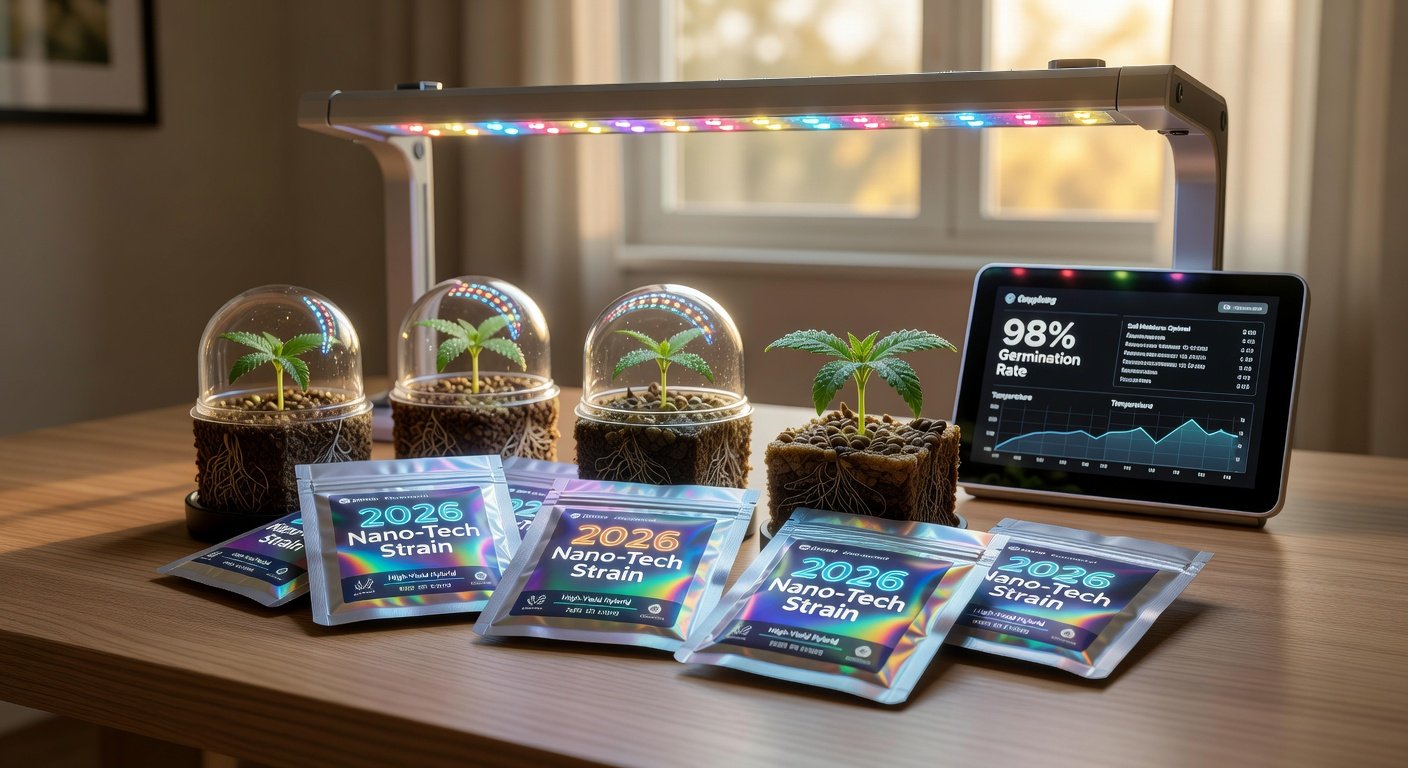
As cannabis cultivation evolves, 2026 brings exciting advancements in seed technology, making it easier than ever for home growers to achieve successful harvests. Whether you’re a beginner or a seasoned enthusiast, selecting high-quality cannabis seeds, mastering germination, and providing proper early-stage care are the foundation of a thriving grow. This guide will walk you through each step, highlight common mistakes to avoid, and share the latest tips tailored to modern seed innovations. Let’s dive into the essentials of growing cannabis at home.
Selecting High-Quality Cannabis Seeds in 2026
Choosing the right seeds is the first and most critical step in your cannabis cultivation journey. With advancements in seed technology, 2026 offers genetically optimized strains with enhanced resilience, potency, and yield. Here’s what to look for when selecting seeds:
- Reputable Seed Banks: Purchase from trusted seed banks with verified reviews and transparency about genetics. Look for companies offering detailed strain information and germination guarantees.
- Seed Appearance: High-quality seeds are typically dark brown or gray with a mottled pattern. Avoid pale, green, or cracked seeds, as they’re often immature or damaged.
- Strain Type: Decide between indica, sativa, or hybrid strains based on your desired effects and growing conditions. New 2026 strains often include traits like drought resistance or faster flowering times.
- Feminized or Autoflowering: Feminized seeds ensure female plants (which produce buds), while autoflowering seeds flower automatically, ideal for beginners or short growing seasons.
Thanks to 2026 biotech, many seeds now come with improved stability and resistance to pests and mold. Check for lab-tested seeds with documented cannabinoid profiles to ensure you’re growing the exact strain you want. For further reading on cannabis genetics, the National Center for Biotechnology Information (NCBI) offers valuable research on plant genomics.
Step-by-Step Germination Techniques
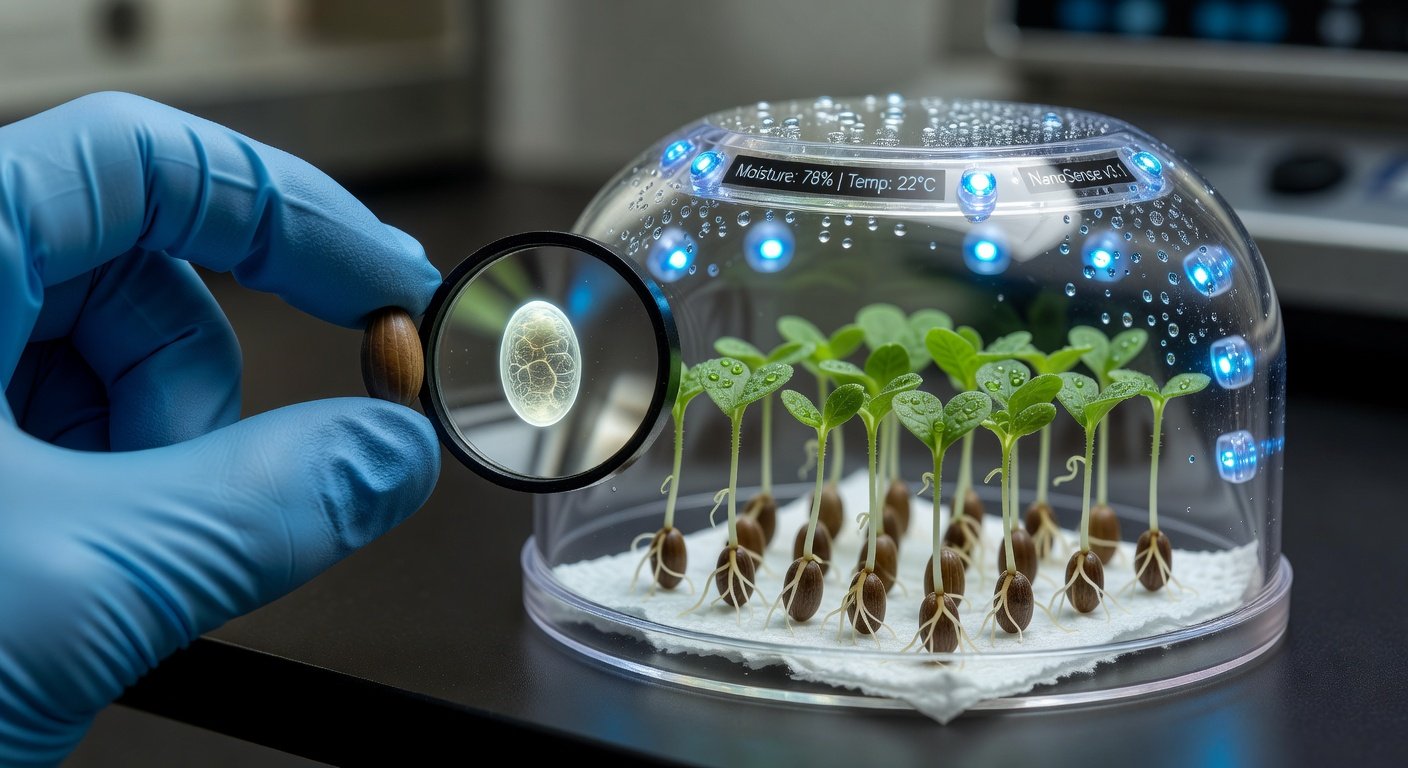
Germination is the process of awakening a seed and encouraging it to sprout. It’s a delicate stage, but with the right approach, you can achieve high success rates. Below are two proven methods updated for 2026 growing practices, leveraging tools like smart germination kits.
Method 1: Paper Towel Technique
- Gather Materials: You’ll need two clean paper towels, a plate, distilled water, and your seeds.
- Moisten Paper Towels: Dampen the towels with distilled water—wet but not soaking.
- Place Seeds: Lay one towel on the plate, place your seeds about an inch apart, and cover with the second towel.
- Maintain Environment: Keep the plate in a warm (70-80°F or 21-27°C), dark place. Check daily to ensure the towels stay moist.
- Wait for Sprouts: Within 2-7 days, seeds should crack open, revealing a small taproot. Once the root is 0.5-1 inch long, they’re ready to plant.
Method 2: Direct Water Soak
- Prepare Water: Fill a glass with lukewarm distilled water (pH 5.5-6.5).
- Soak Seeds: Place seeds in the glass and let them soak for 12-24 hours in a dark, warm spot.
- Check Progress: After soaking, seeds may sink (a good sign of viability) and begin to crack. Transfer them to a moist medium or use the paper towel method to finish germination.
In 2026, smart germination devices with built-in humidity and temperature controls are widely available, reducing human error. Whichever method you choose, avoid touching the delicate taproot during transfer to prevent damage.
Early-Stage Care for Cannabis Seedlings
Once your seeds have sprouted, the seedling stage begins. This phase, lasting 2-3 weeks, is crucial for establishing strong roots and healthy growth. Here’s how to care for your young plants with 2026 growing insights in mind.
Planting Sprouted Seeds
Transfer sprouted seeds to a growing medium like soil, coco coir, or a hydroponic setup. Use small pots or starter plugs with a light, well-draining mix. Plant the seed with the taproot facing down, about 0.5 inches deep, and lightly cover it. Keep the medium moist but not waterlogged to avoid drowning the seedling.
Light and Temperature
Seedlings need gentle light—18-24 hours daily under a low-intensity LED or fluorescent grow light. Modern 2026 LED grow lights often come with spectrum adjustability tailored for seedlings, promoting photosynthesis without stress. Maintain temperatures between 68-77°F (20-25°C) and humidity around 60-70% to mimic a nurturing environment.
Watering and Nutrients
Overwatering is a common beginner mistake. Water sparingly, allowing the top inch of soil to dry out between sessions. Use pH-balanced water (6.0-6.5 for soil) to prevent nutrient lockout. At this stage, seedlings don’t need heavy feeding—rely on the nutrients in your medium or use a diluted, seedling-specific fertilizer if growth seems slow.
Ventilation and Airflow
Good airflow prevents mold and strengthens stems. Use a small oscillating fan on a low setting to simulate a natural breeze, but avoid direct drafts on fragile seedlings. Many 2026 grow tents now integrate smart ventilation systems that monitor and adjust airflow automatically.
Common Beginner Mistakes to Avoid
Starting your cannabis grow can be challenging, but knowing common pitfalls can save your crop. Here are mistakes often made by beginners and how to avoid them:
- Overwatering: Too much water suffocates roots, leading to rot. Stick to a light watering schedule and ensure proper drainage.
- Insufficient Light: Weak or improper lighting causes leggy, stretched seedlings. Invest in quality grow lights with seedling-friendly spectrums.
- Ignoring pH Levels: Incorrect pH disrupts nutrient uptake. Test your water and soil regularly using affordable pH meters, widely available in 2026.
- Handling Seeds Roughly: Damaging the taproot during germination or planting can kill the seed. Use tweezers and handle with care.
For additional resources on plant care, the Royal Queen Seeds website offers detailed guides and strain-specific advice for growers of all levels.
Tips for Healthy Growth with 2026 Advancements
Modern seed technology and cultivation tools in 2026 provide home growers with unprecedented advantages. Here are cutting-edge tips to ensure robust seedling development:
- Use Biotech-Enhanced Seeds: Many 2026 seeds are engineered for faster germination and disease resistance. Look for “smart seeds” with embedded growth data accessible via companion apps.
- Leverage Smart Sensors: Affordable IoT devices can monitor soil moisture, light levels, and humidity, sending alerts to your phone for optimal care.
- Experiment with Micro-Dosing Nutrients: New nutrient formulas designed for seedlings allow precise micro-dosing, preventing burn while encouraging growth.
- Keep a Grow Journal: Track germination dates, watering schedules, and light exposure. Digital grow apps in 2026 make this easier with AI-driven insights.
By integrating these advancements, you can minimize guesswork and maximize your plants’ potential from the very start.
Conclusion: Building a Strong Foundation for Your Cannabis Grow
Starting with high-quality cannabis seeds, mastering germination, and providing attentive early-stage care are the cornerstones of a successful grow in 2026. With new seed technologies and smart tools at your fingertips, even beginners can achieve professional results. Avoid common mistakes, stay consistent with environmental controls, and embrace the latest innovations to nurture healthy seedlings into thriving plants. Your journey to a bountiful harvest begins here—happy growing!